RASTER
A small history of graphic design, 1945–2026 — read as a working designer reads it: composition, colour, type, message, and what would kill the work.
40 designers · 344 works · 136 principles · translated 100%
1945


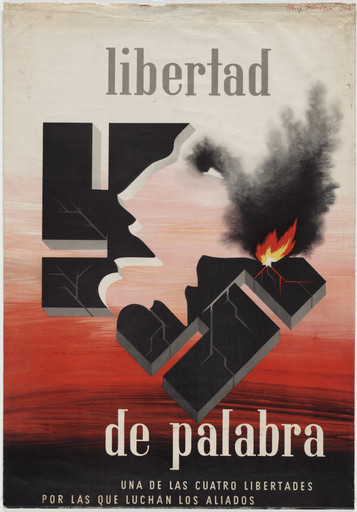
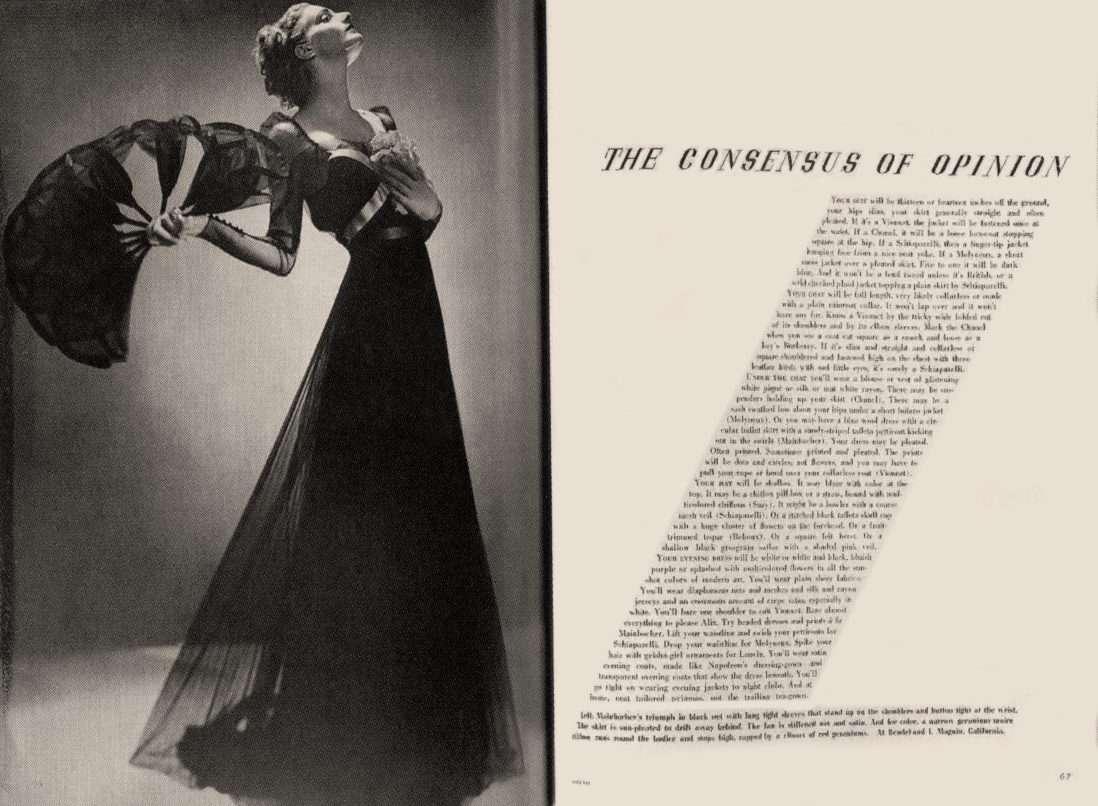

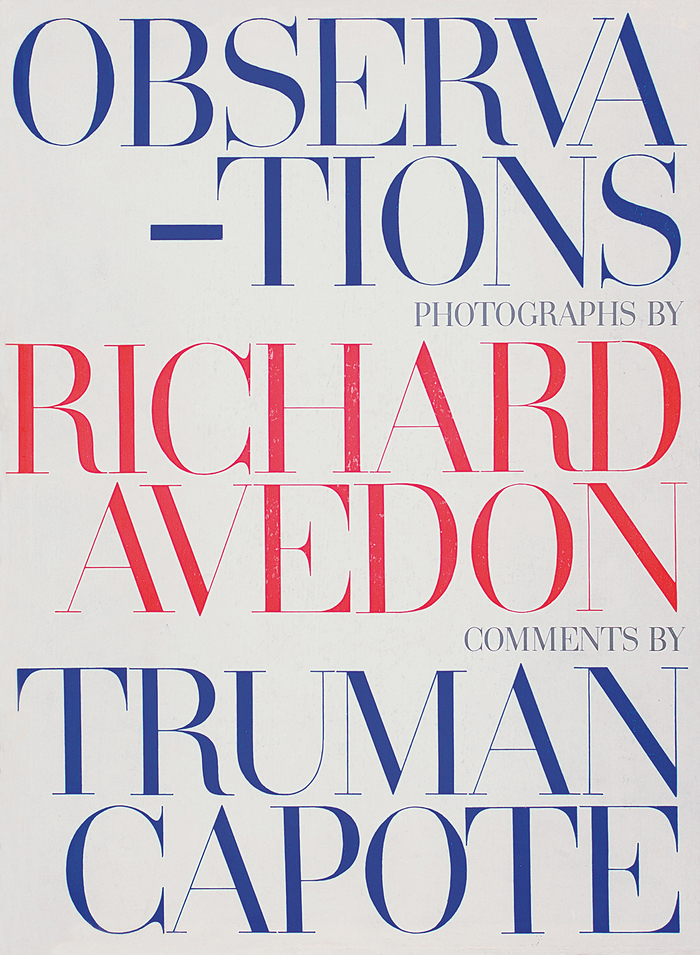
Alexey Brodovitch
1898–1971
Editorial art direction, the spread as unit, white space


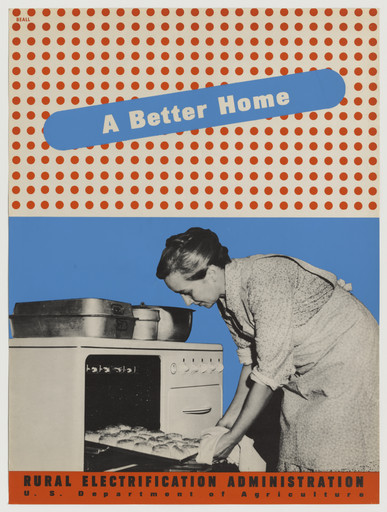
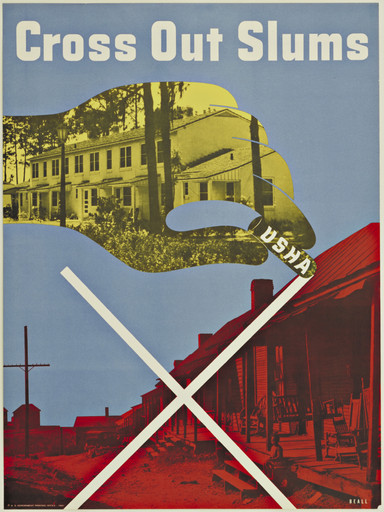


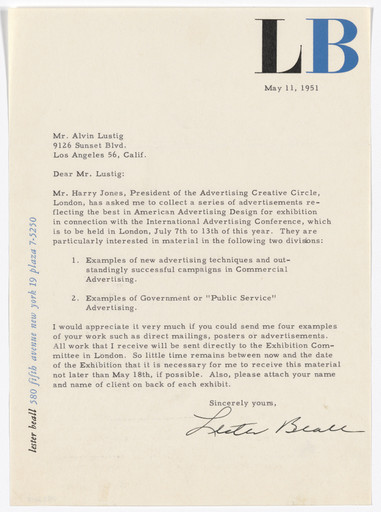
Lester Beall
1903–1969
American modernism, public poster, corporate identity as a system
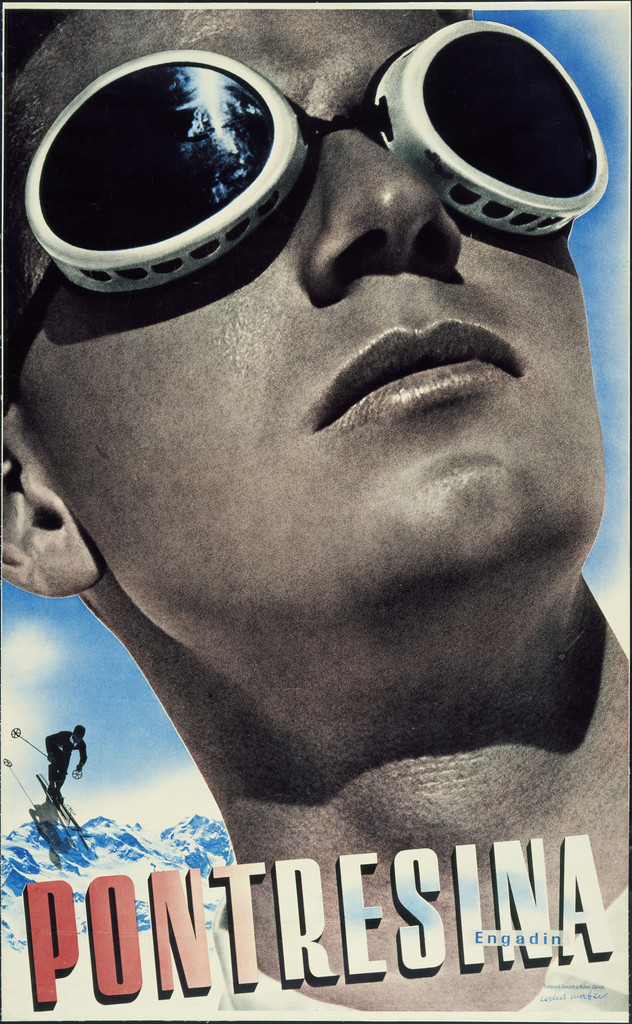
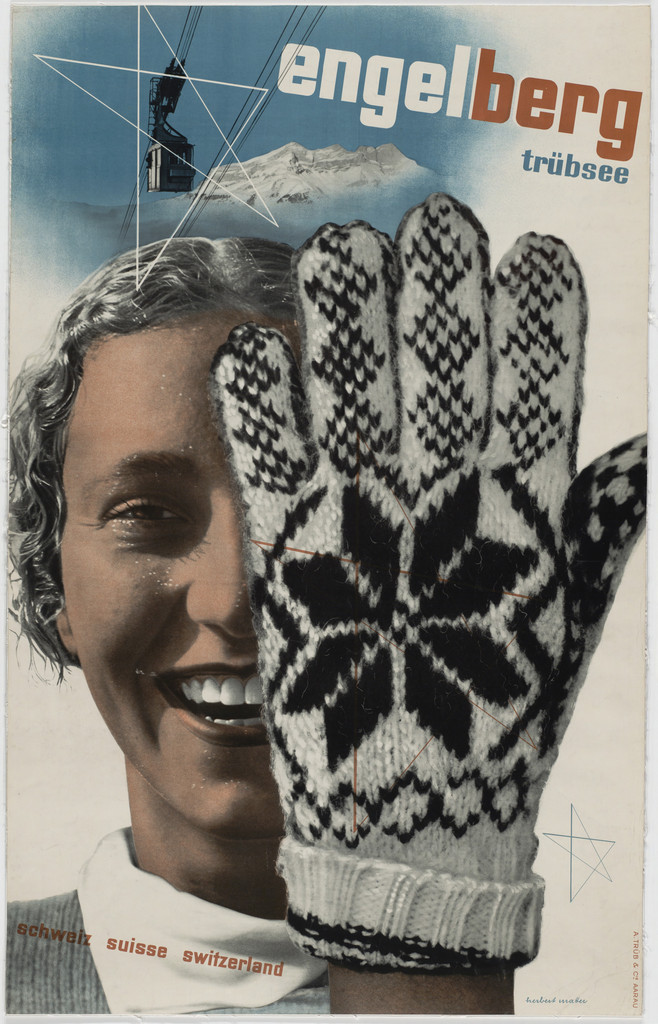
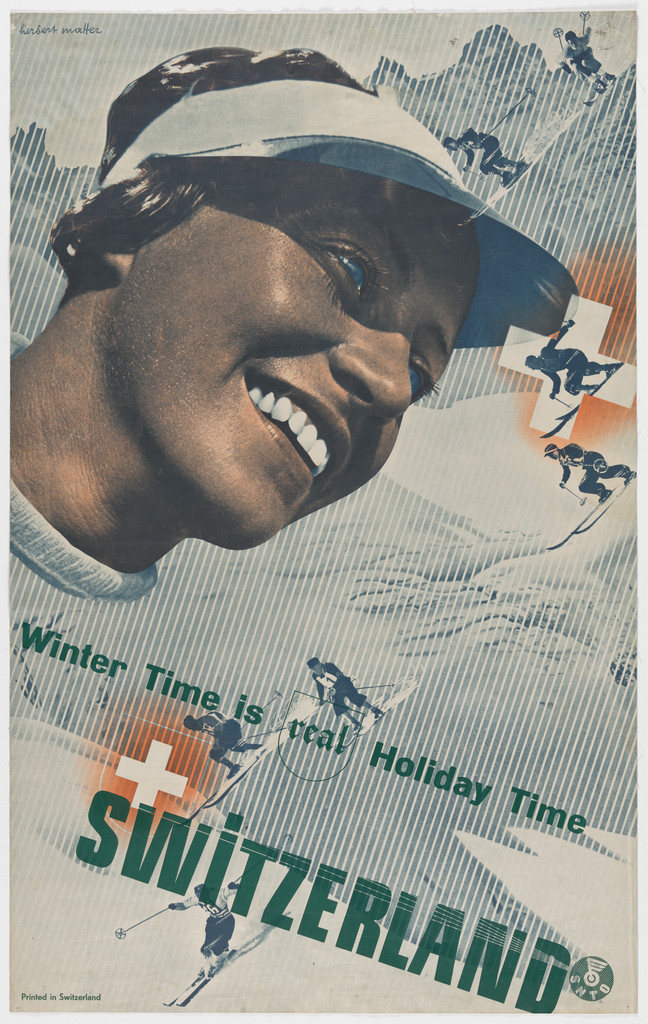
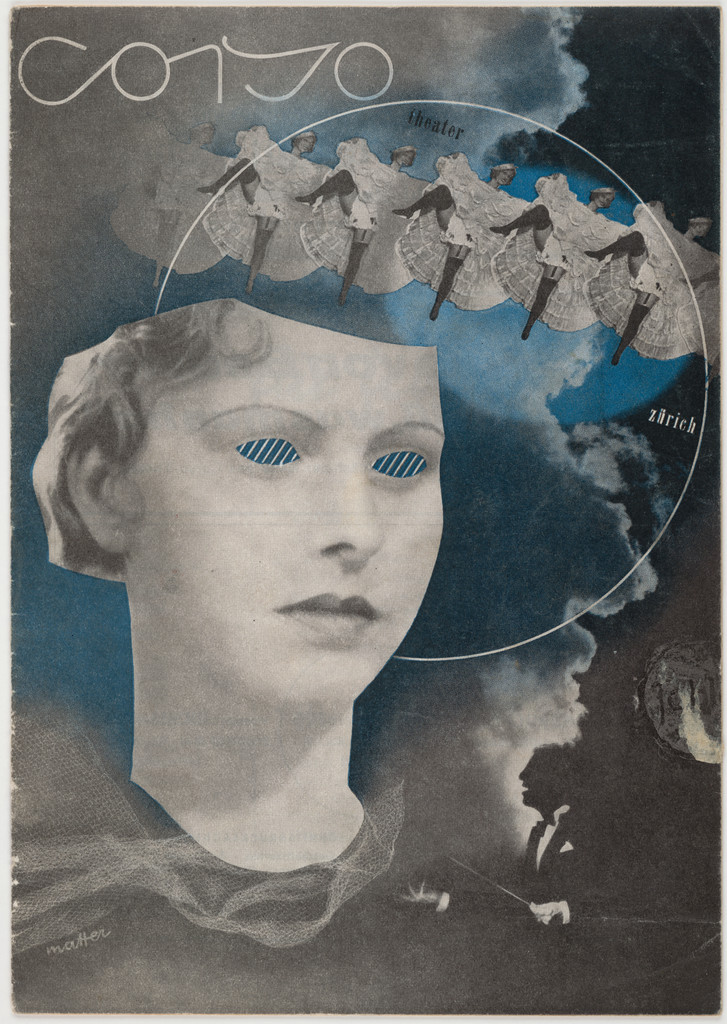
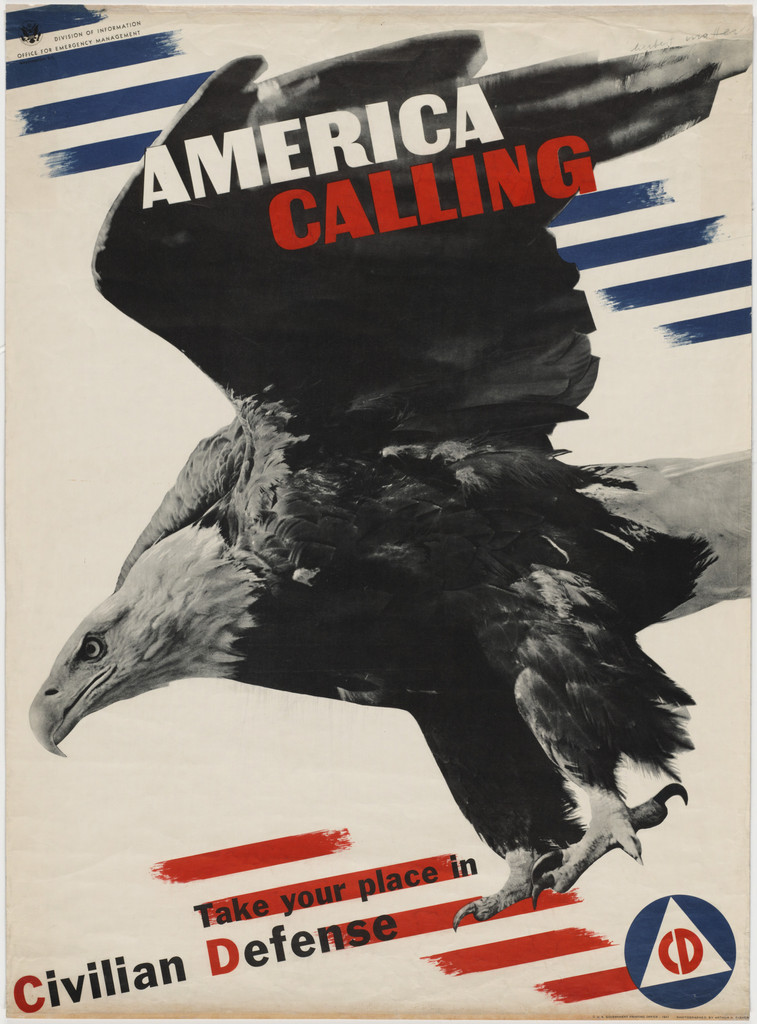

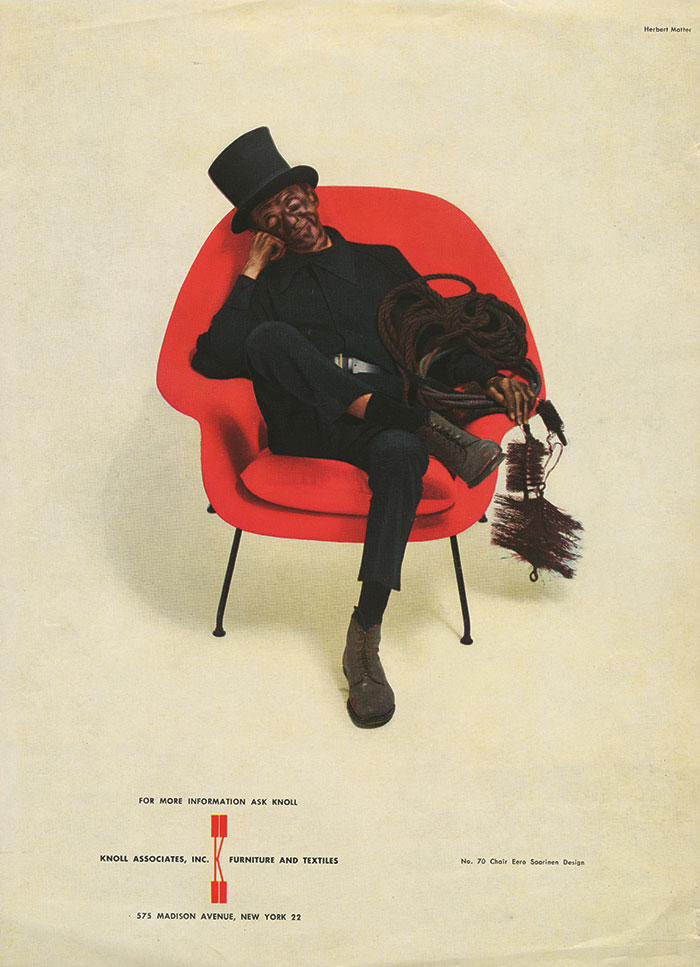
Herbert Matter
1907–1984
Photomontage, photography as typography, identity through light


Cipe Pineles
1908–1991
Editorial design, commissioning illustration


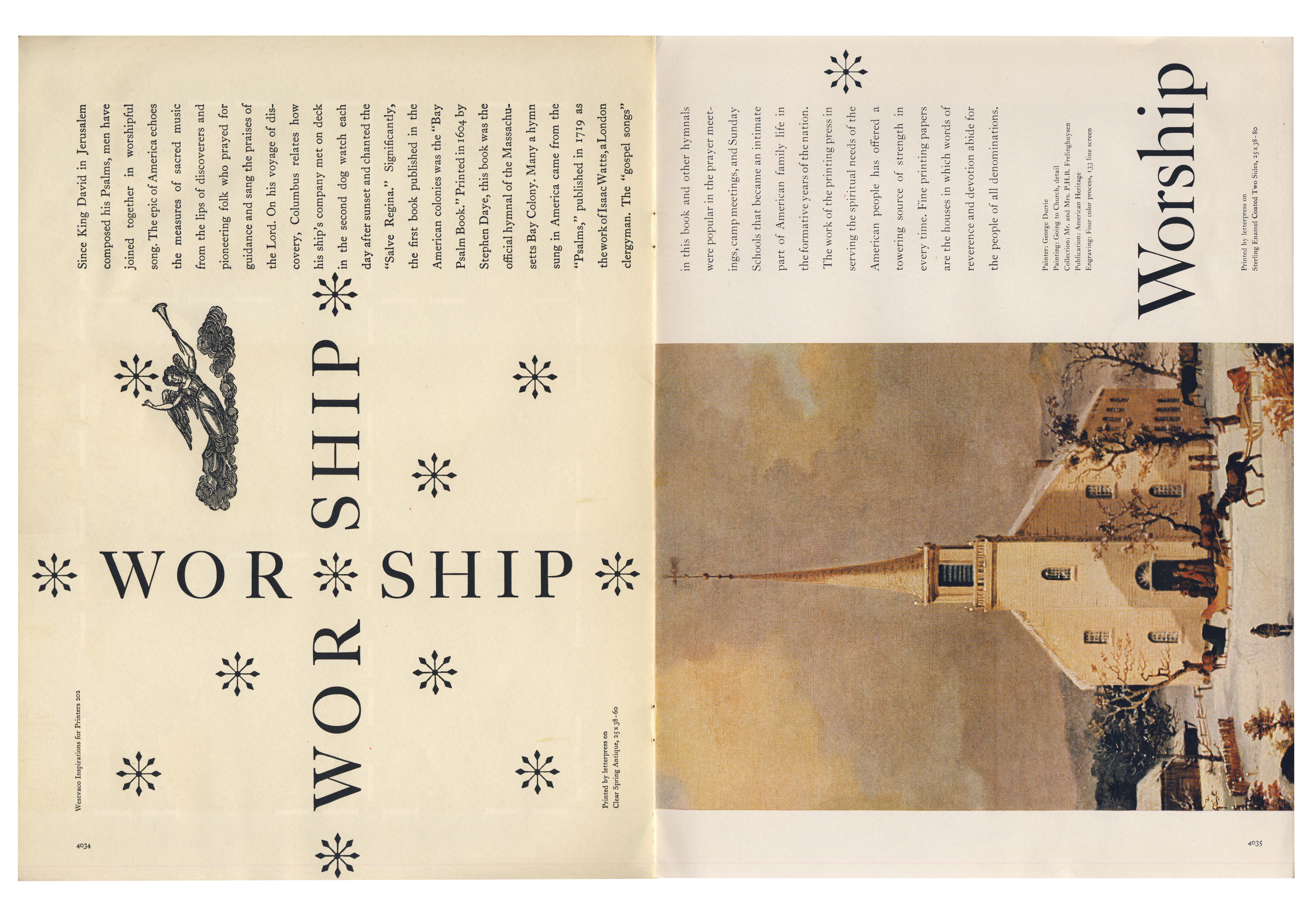
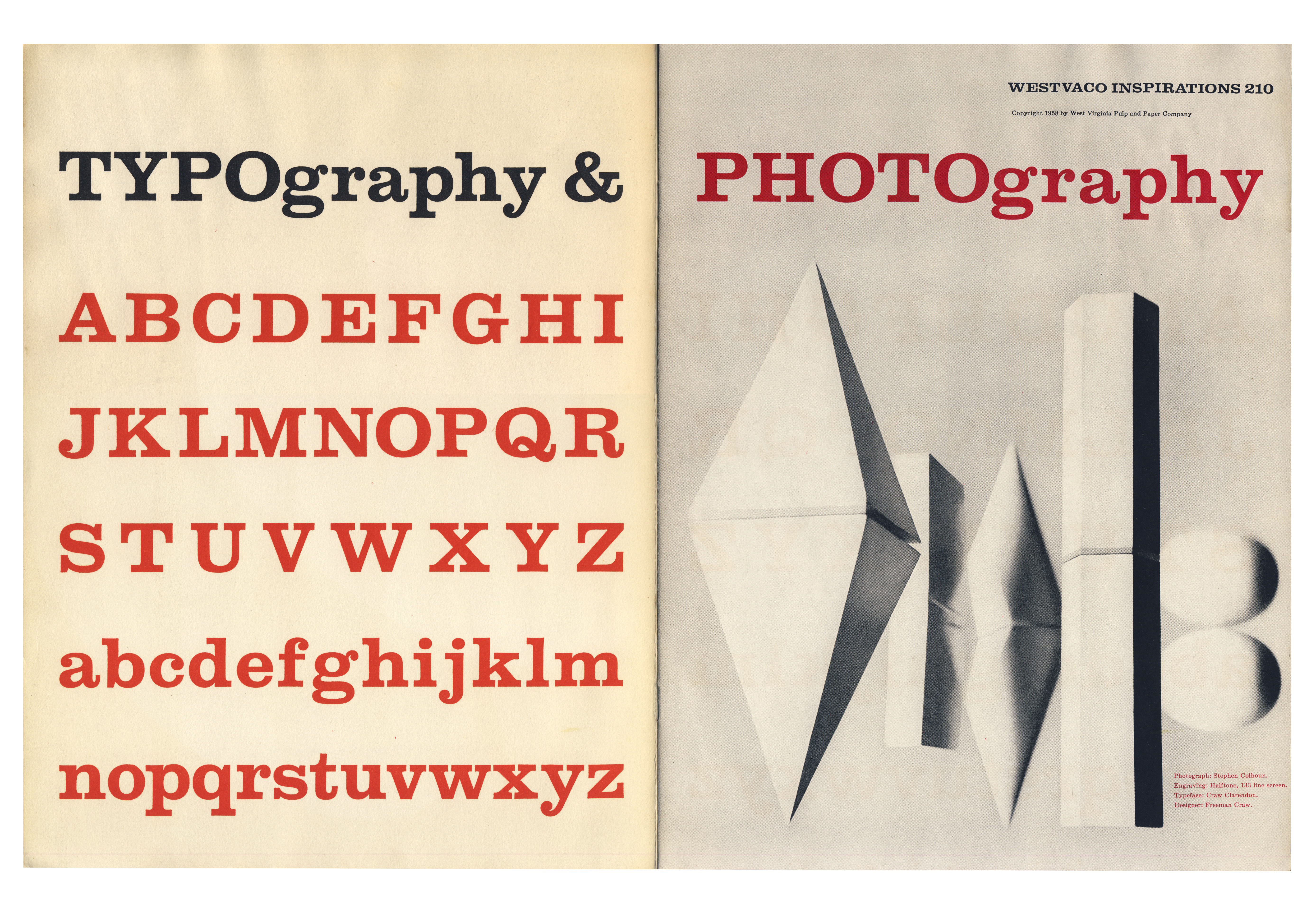
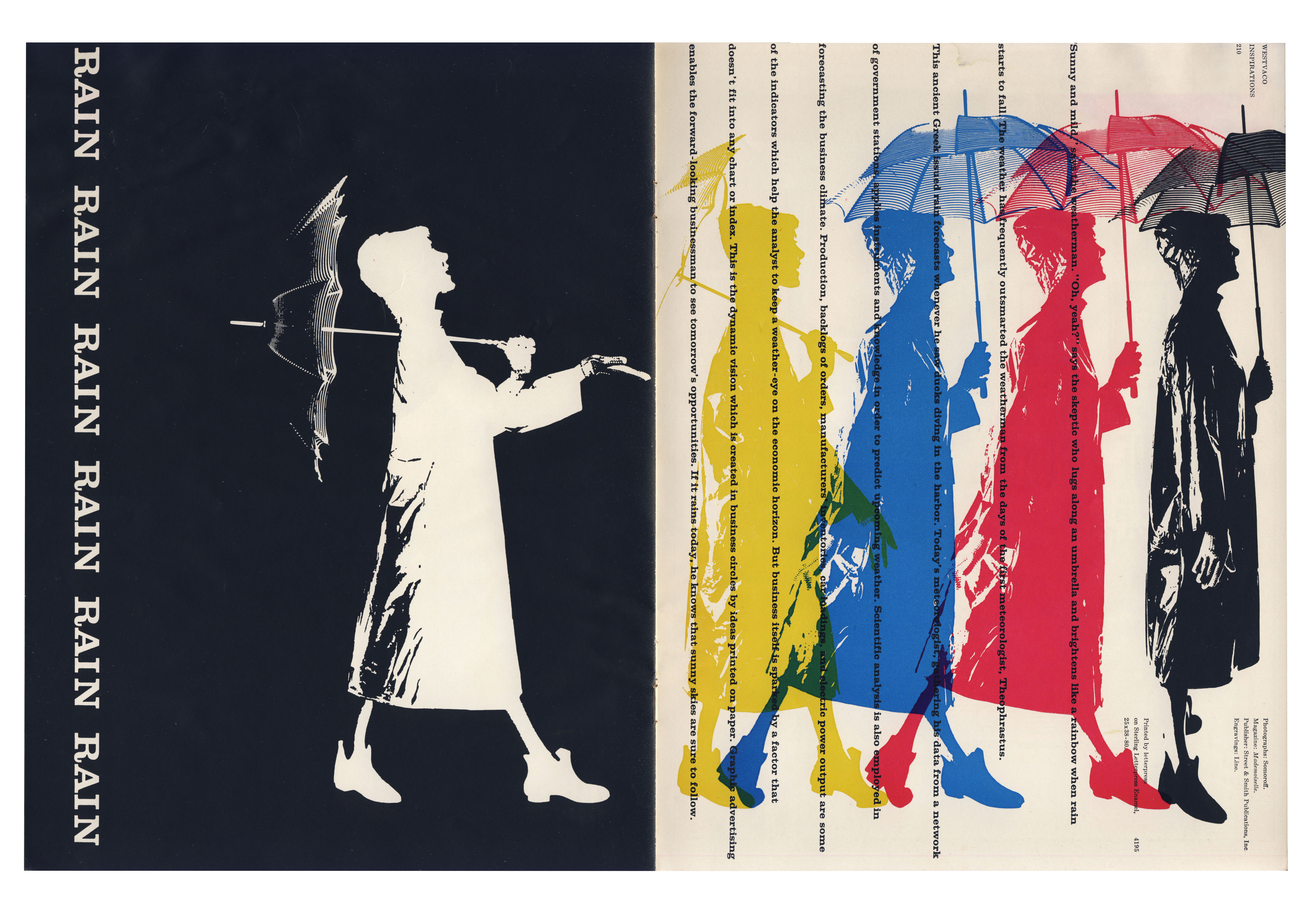


Bradbury Thompson
1911–1995
Typographic experiment, the craft of printing
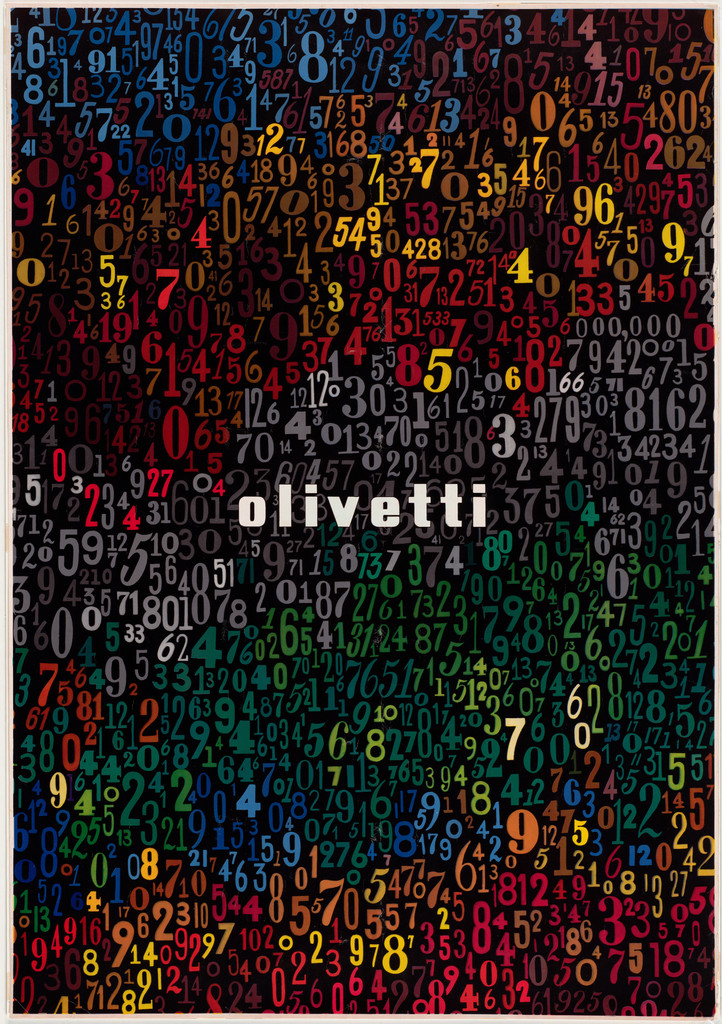
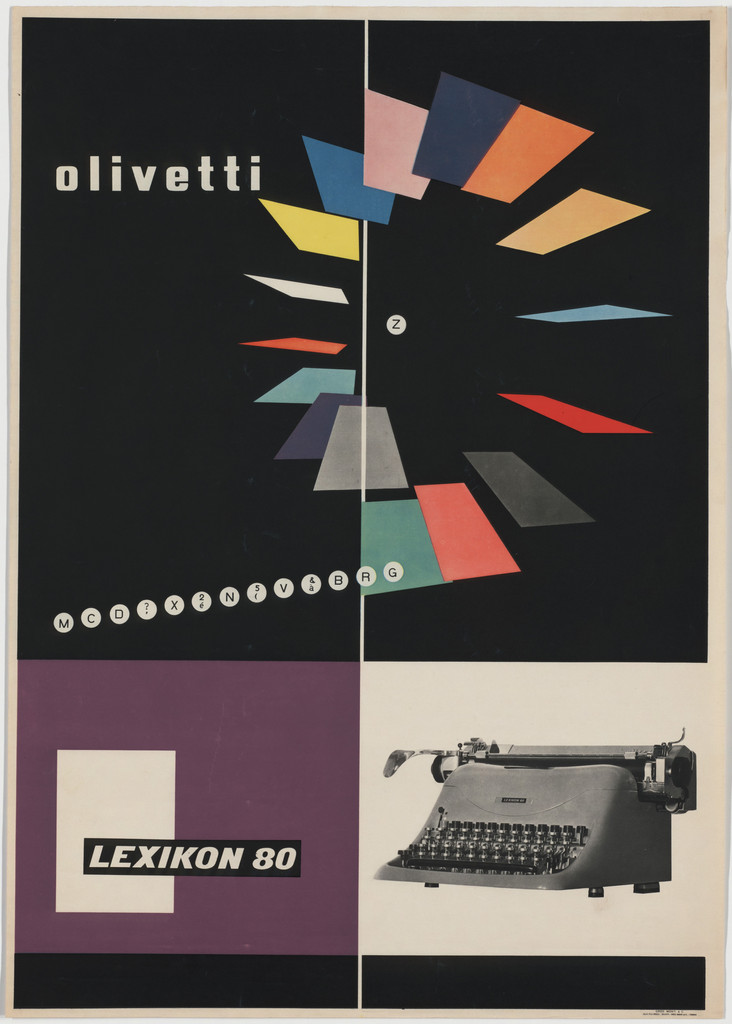
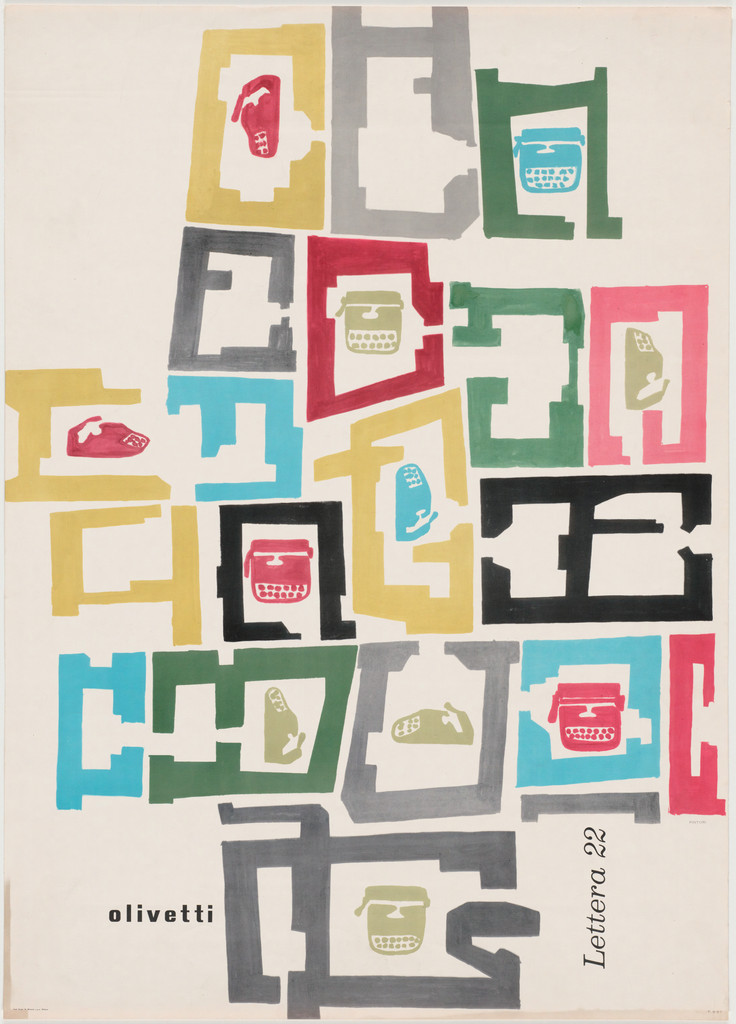
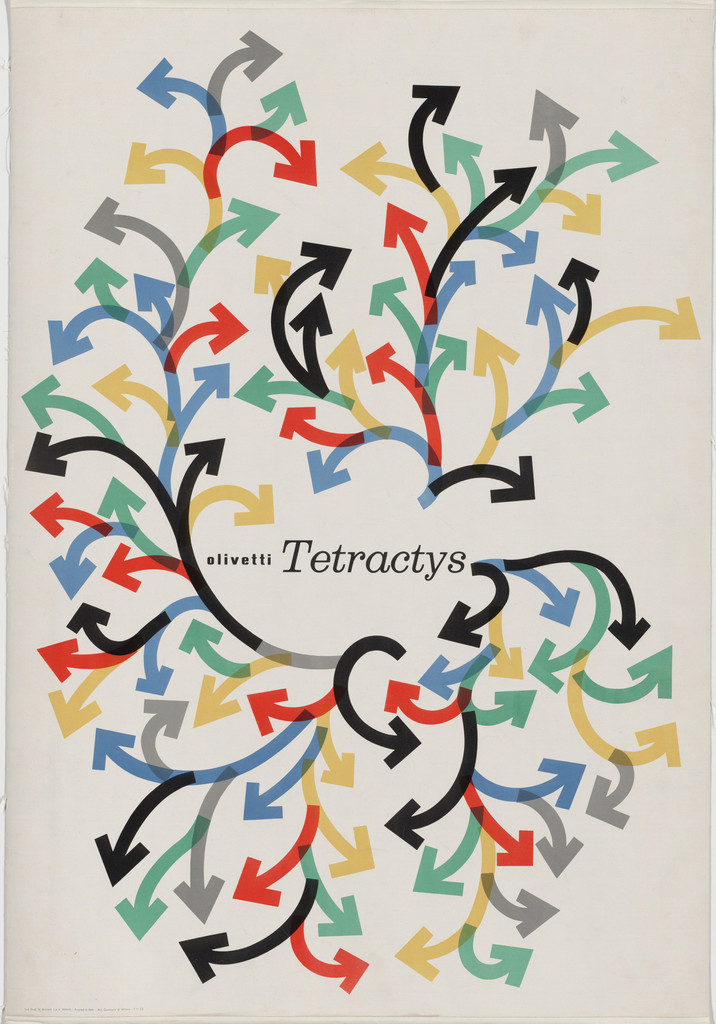
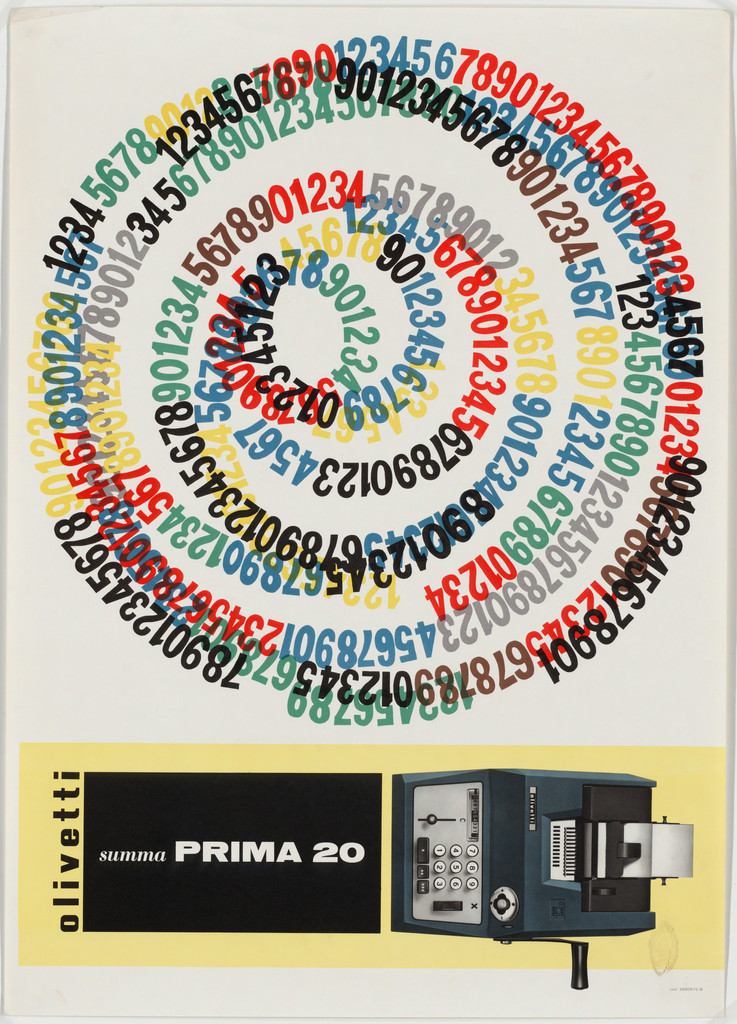
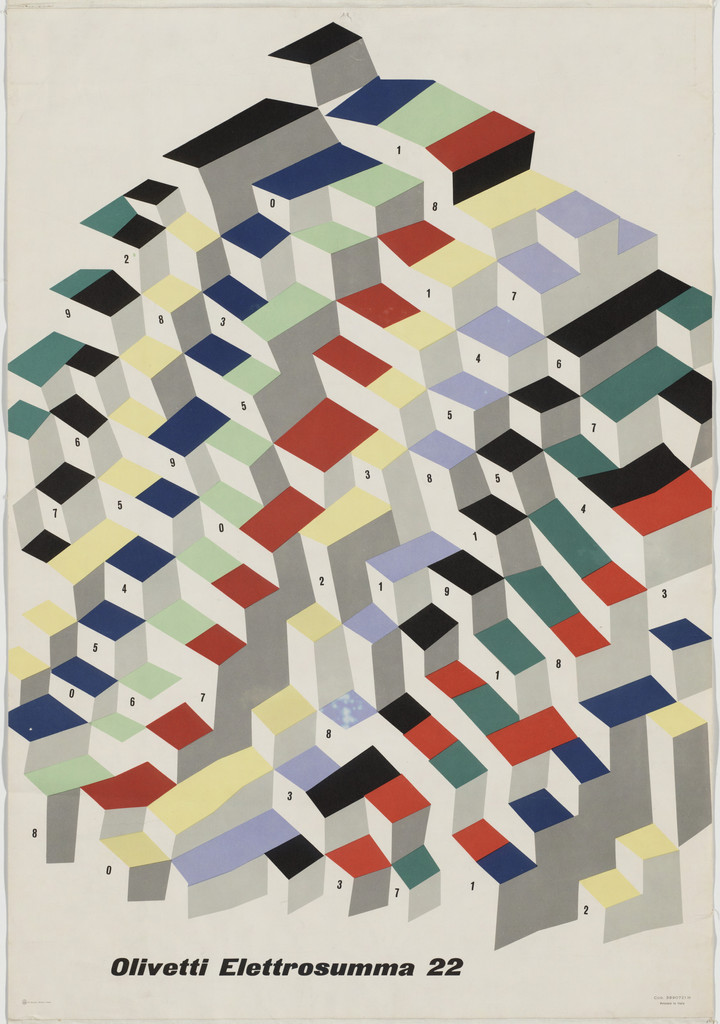

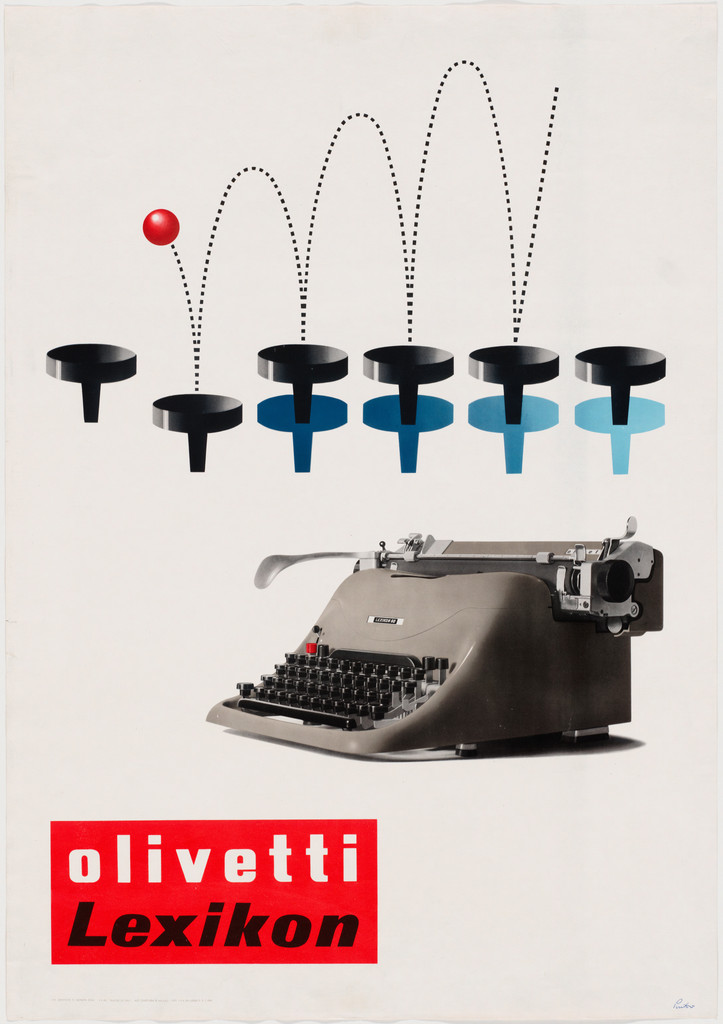
Giovanni Pintori
1912–1999
Corporate abstraction, Italian modernism
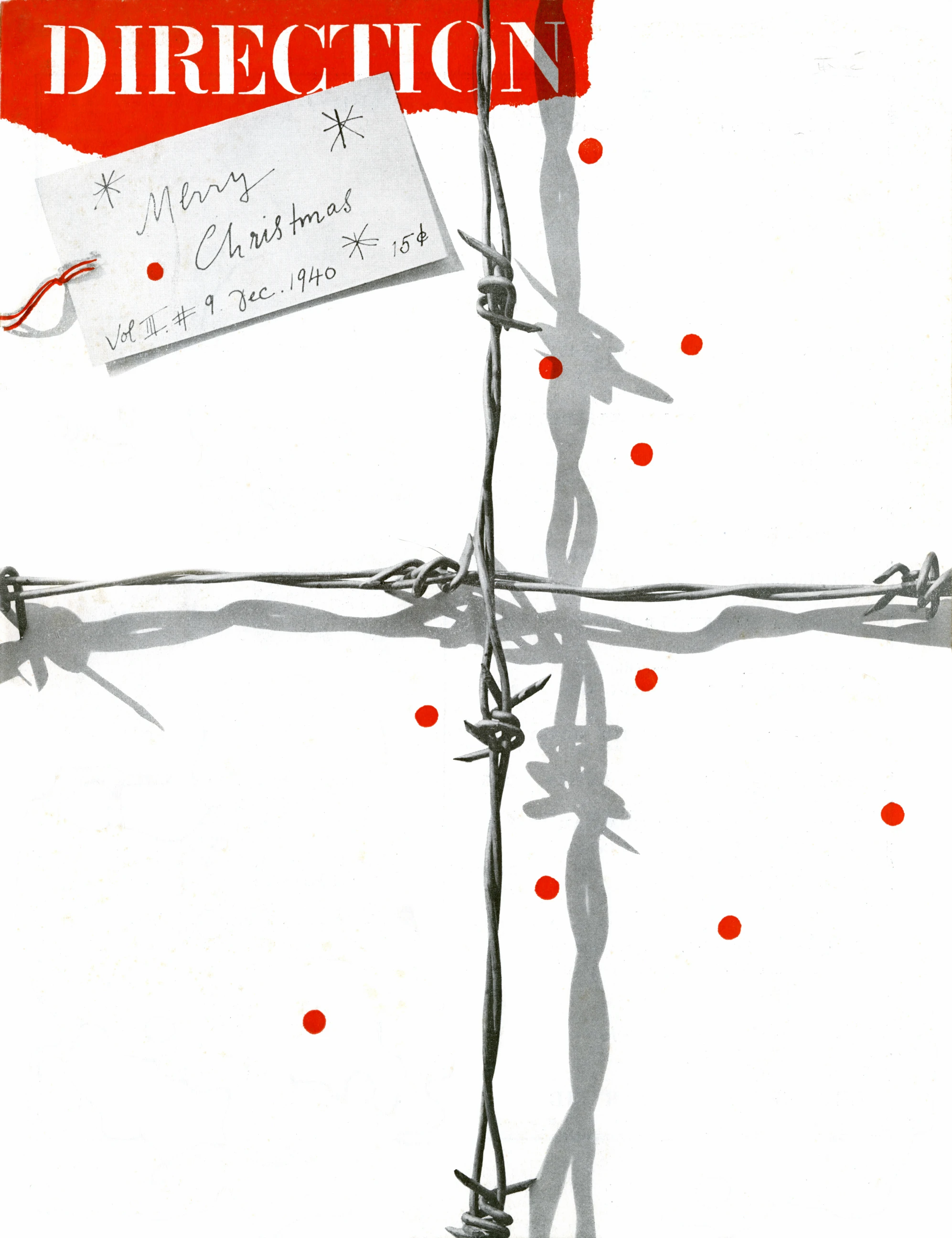

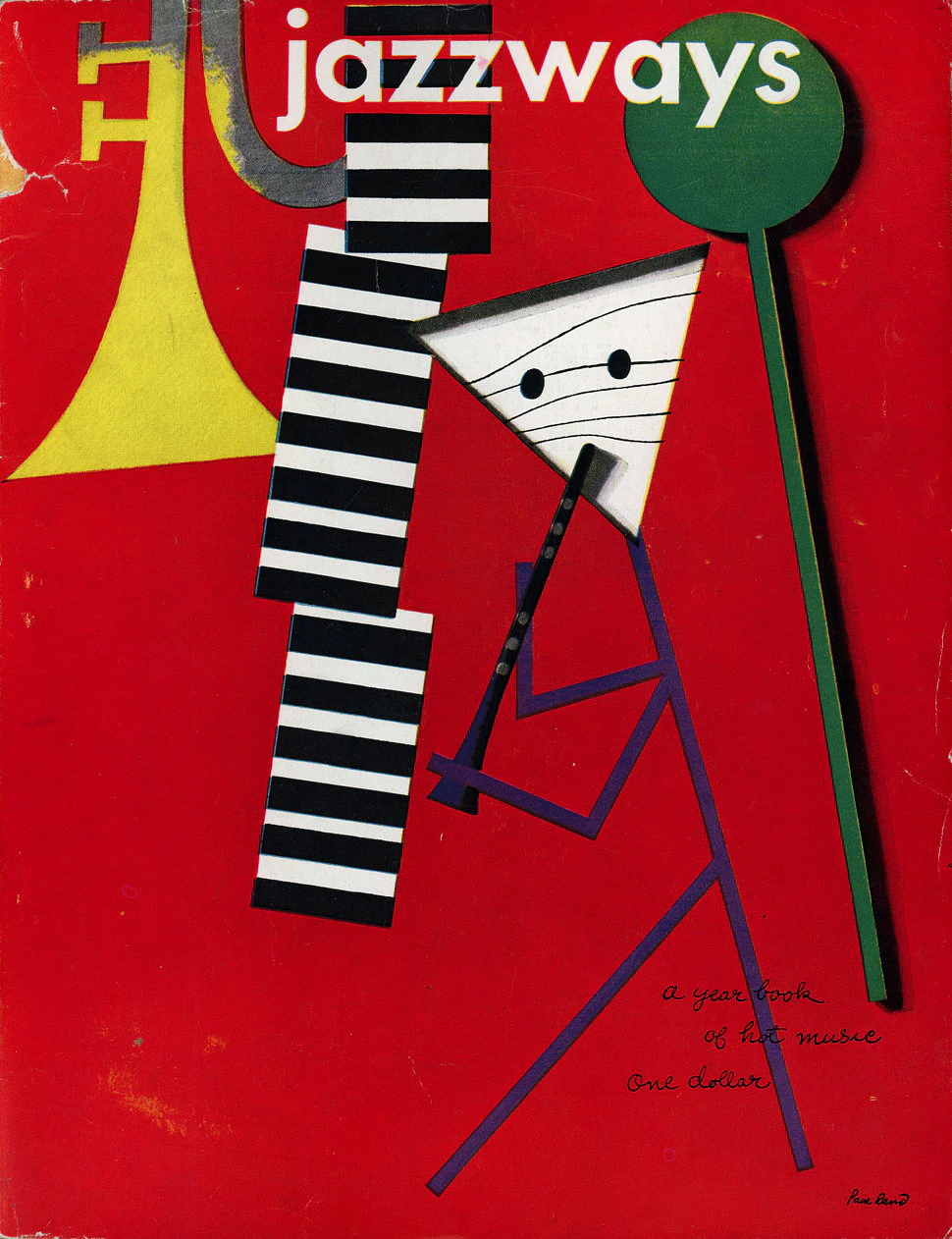


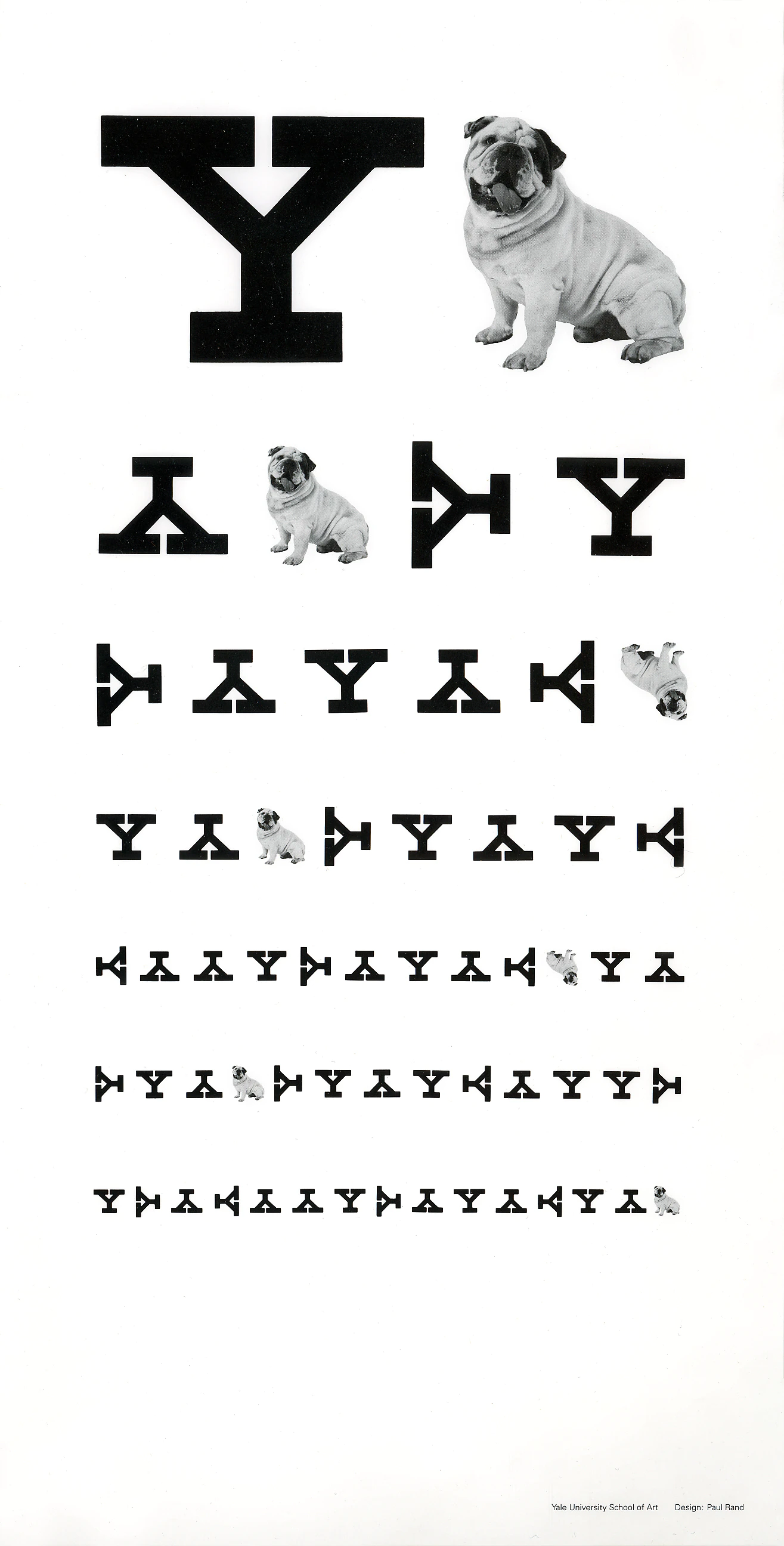

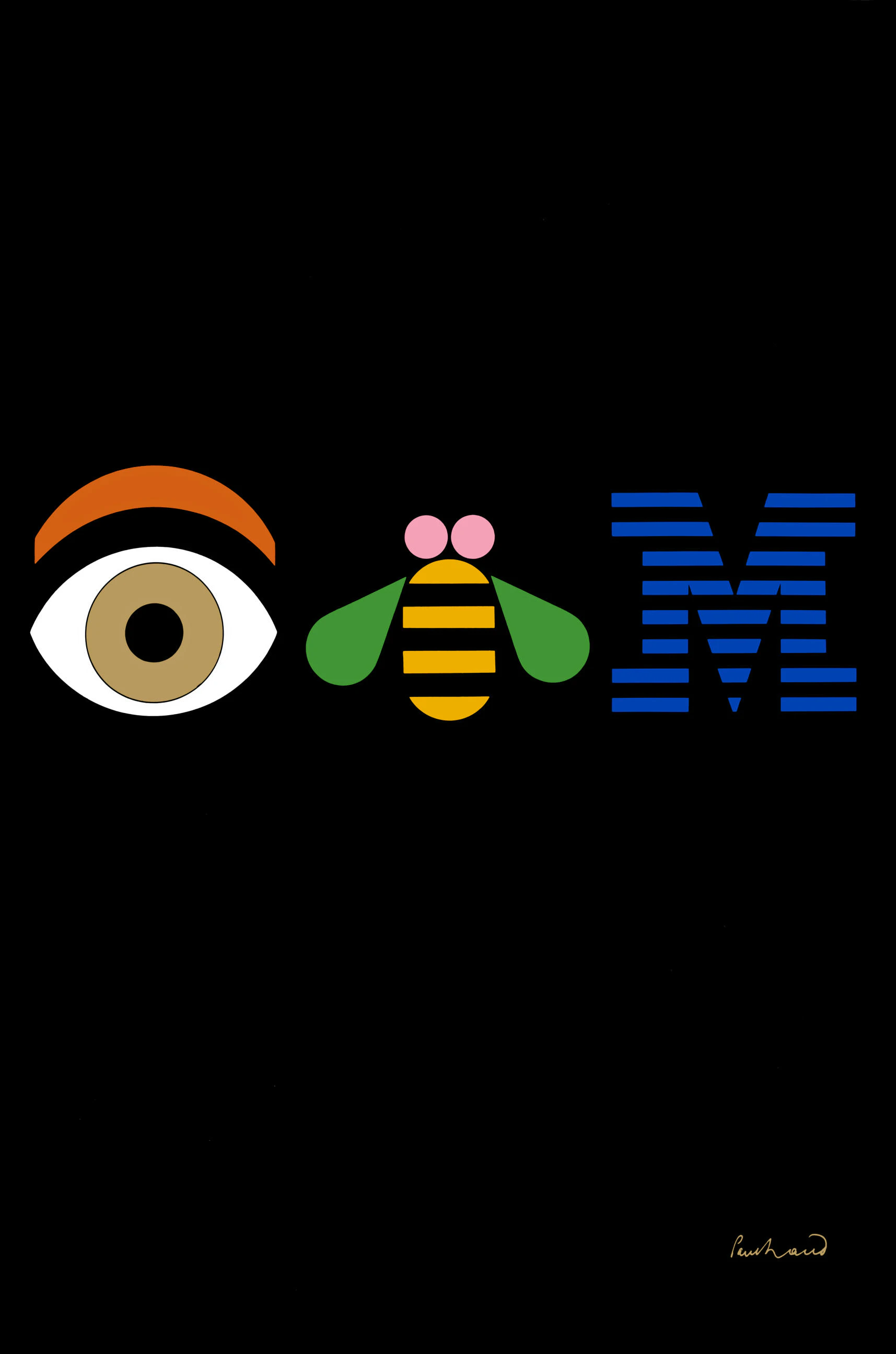
Paul Rand
1914–1996
Corporate modernism, wit


Alvin Lustig
1915–1955
Book covers, mark instead of illustration, design across media
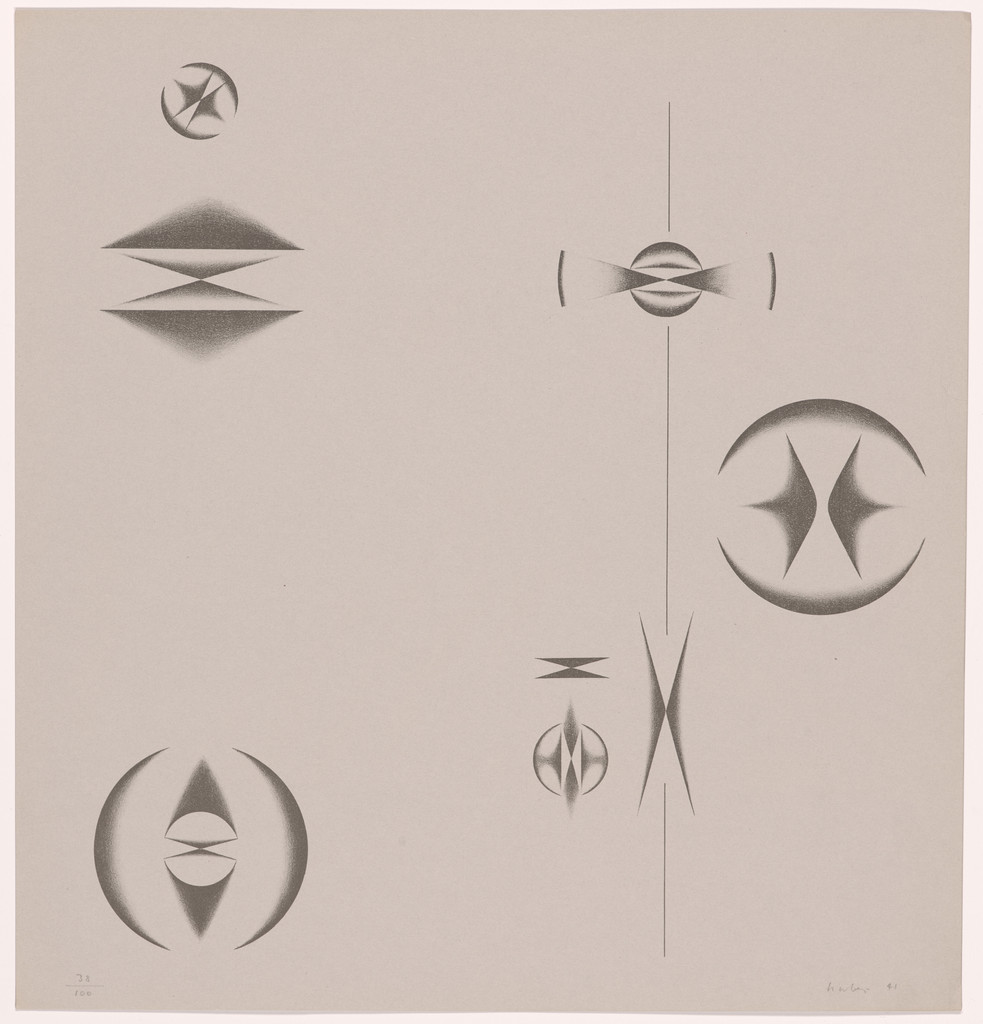
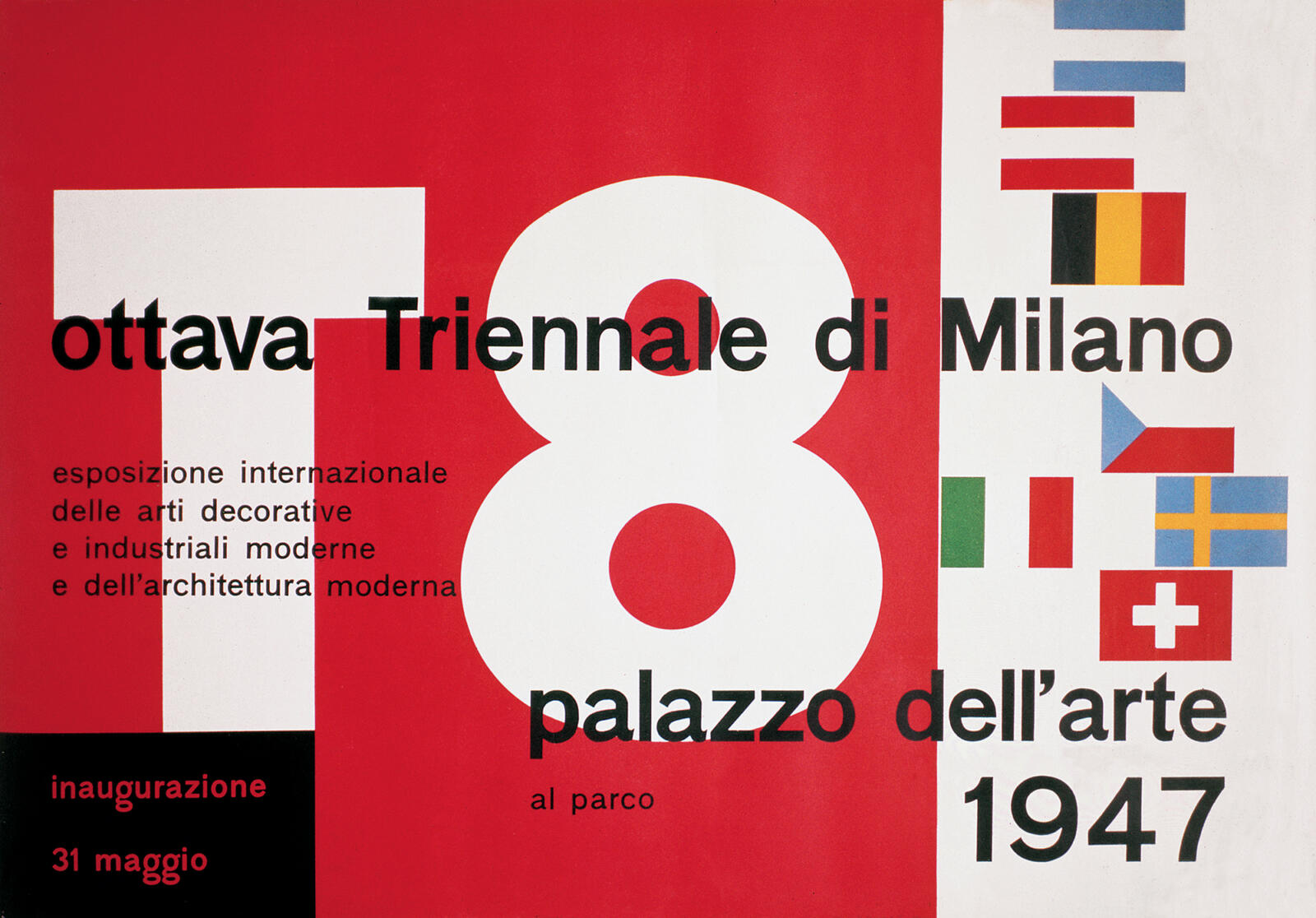

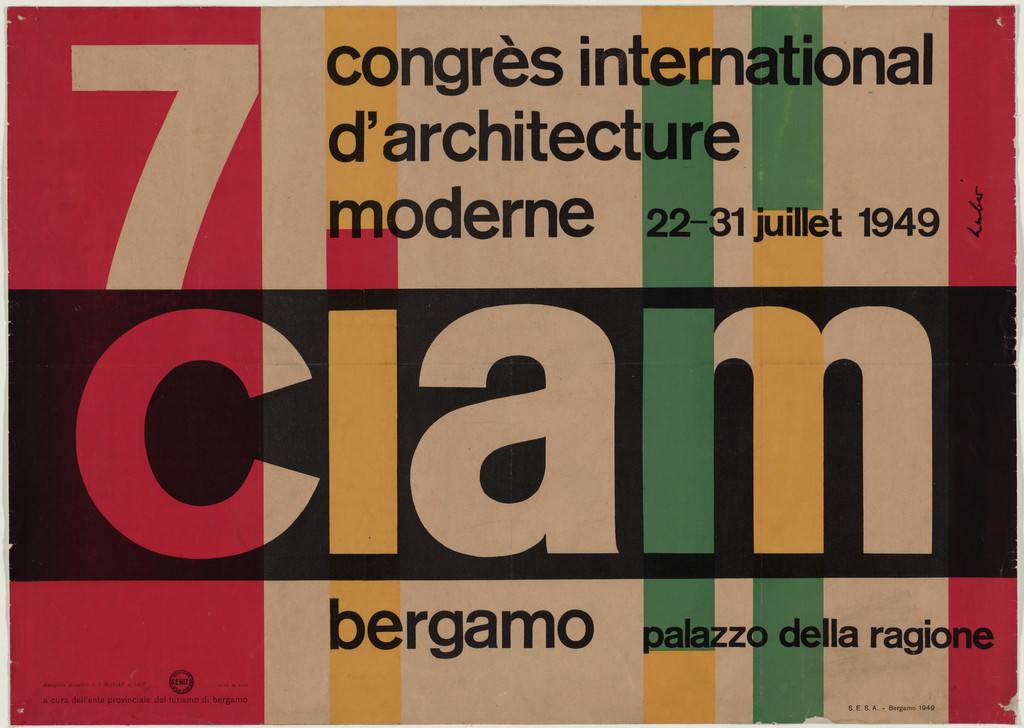

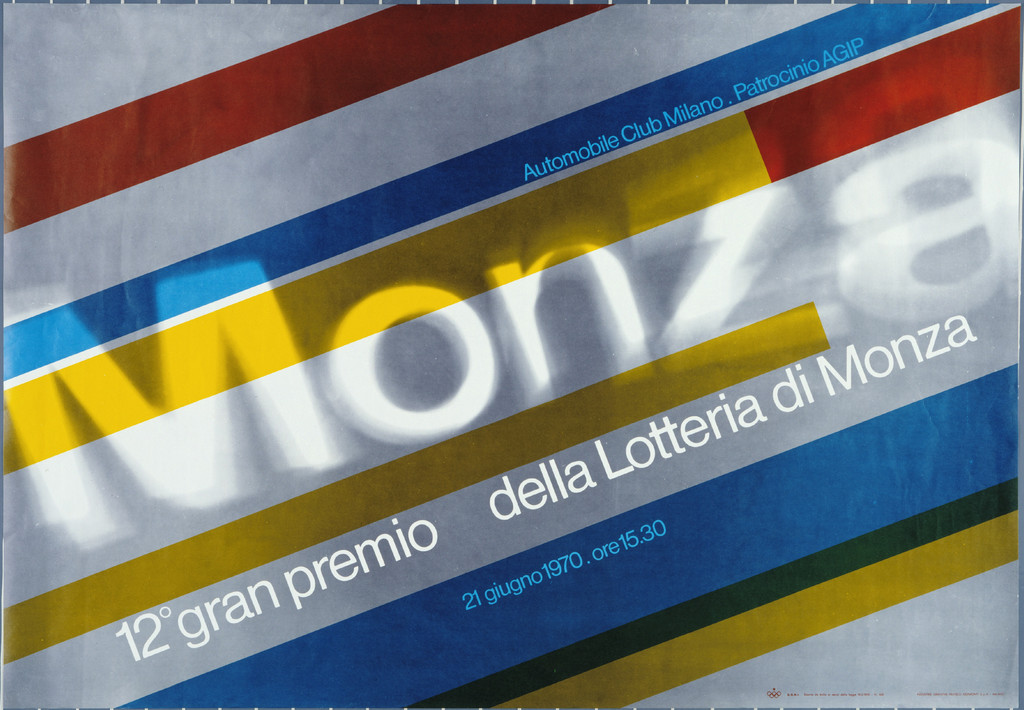
Max Huber
1919–1992
Swiss rigour × Milanese noise; overprint
1955


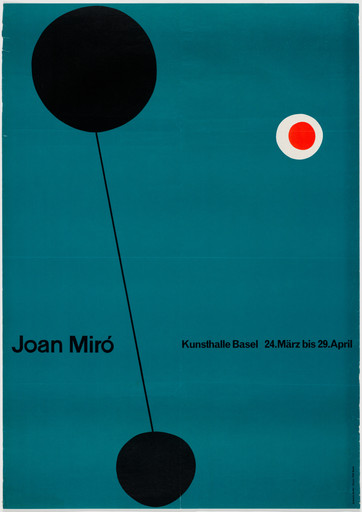
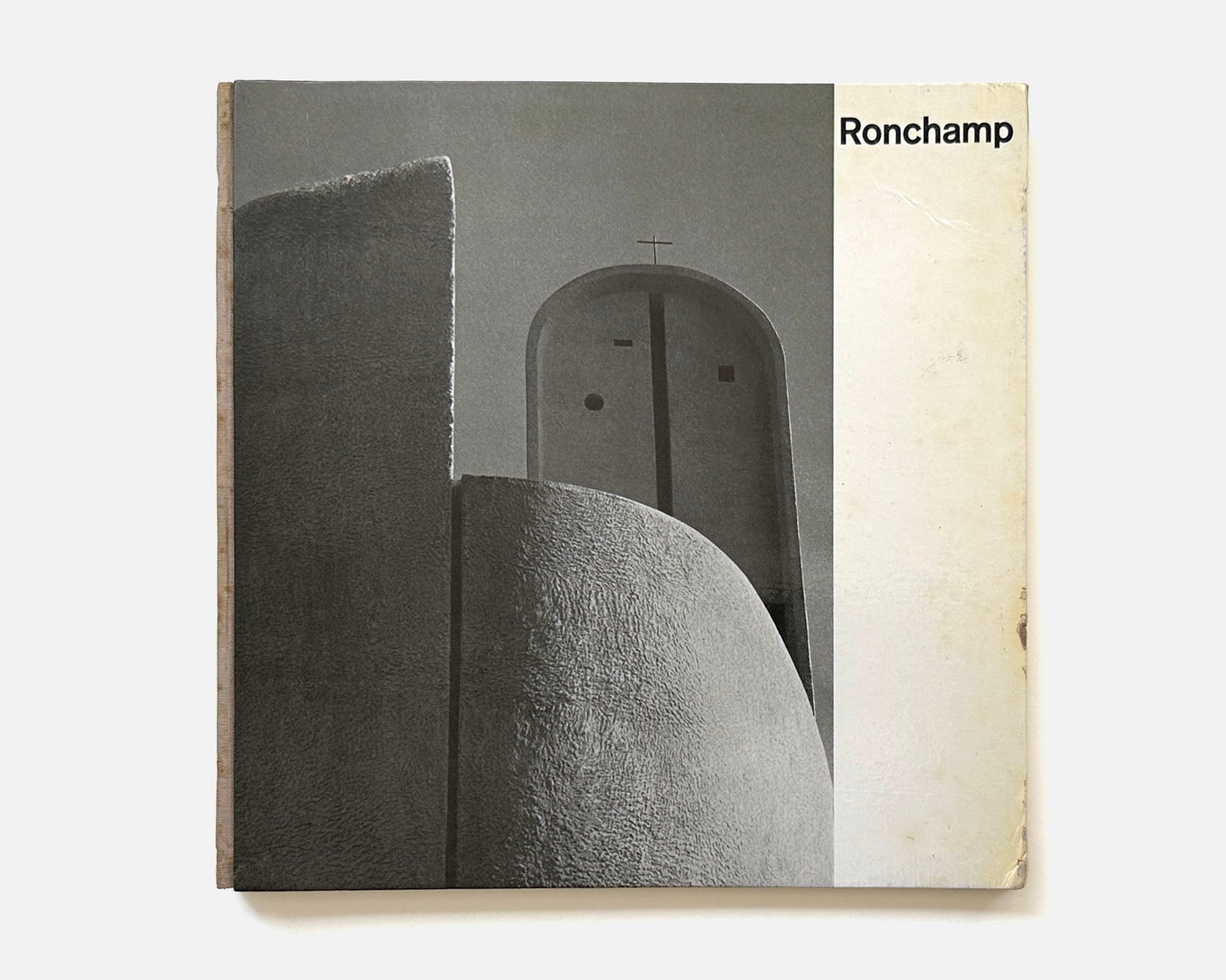

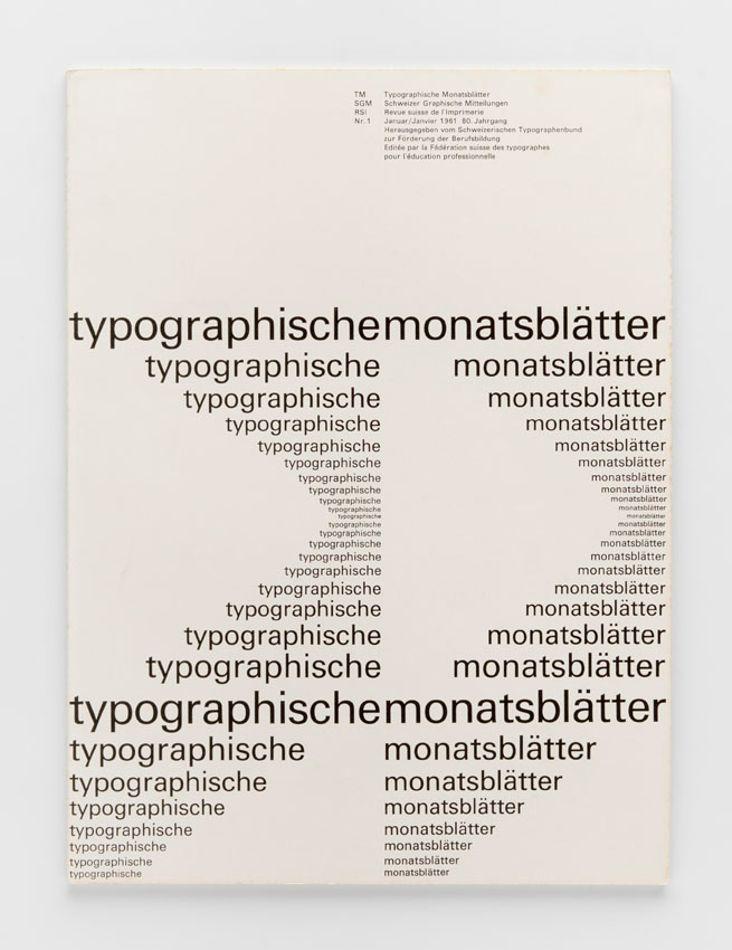

Emil Ruder
1914–1970
Typography as system and rhythm
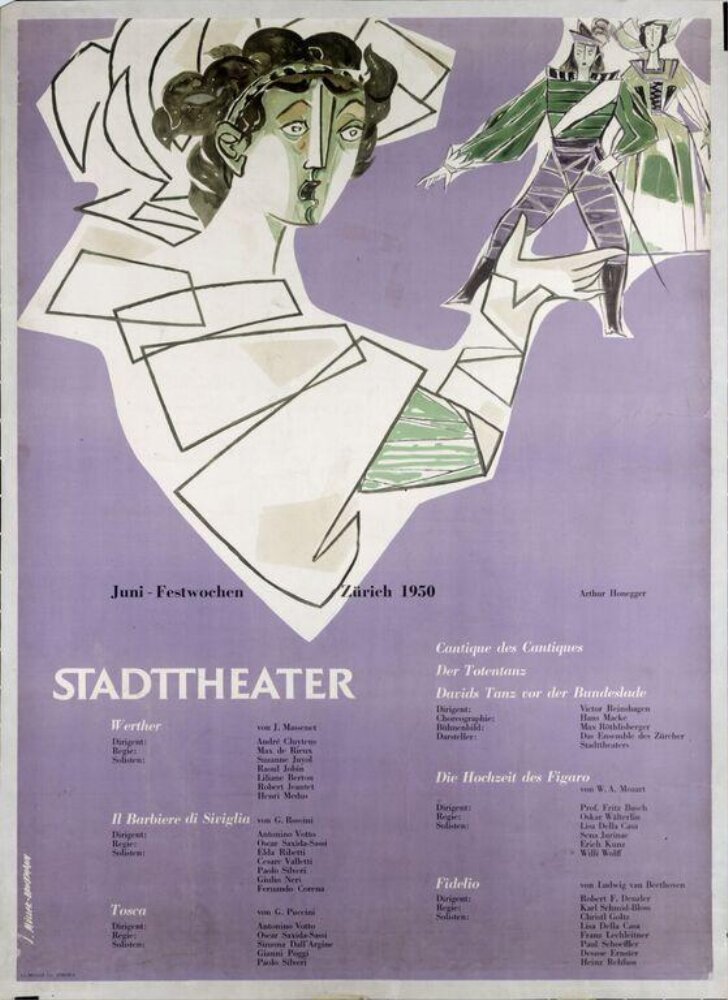


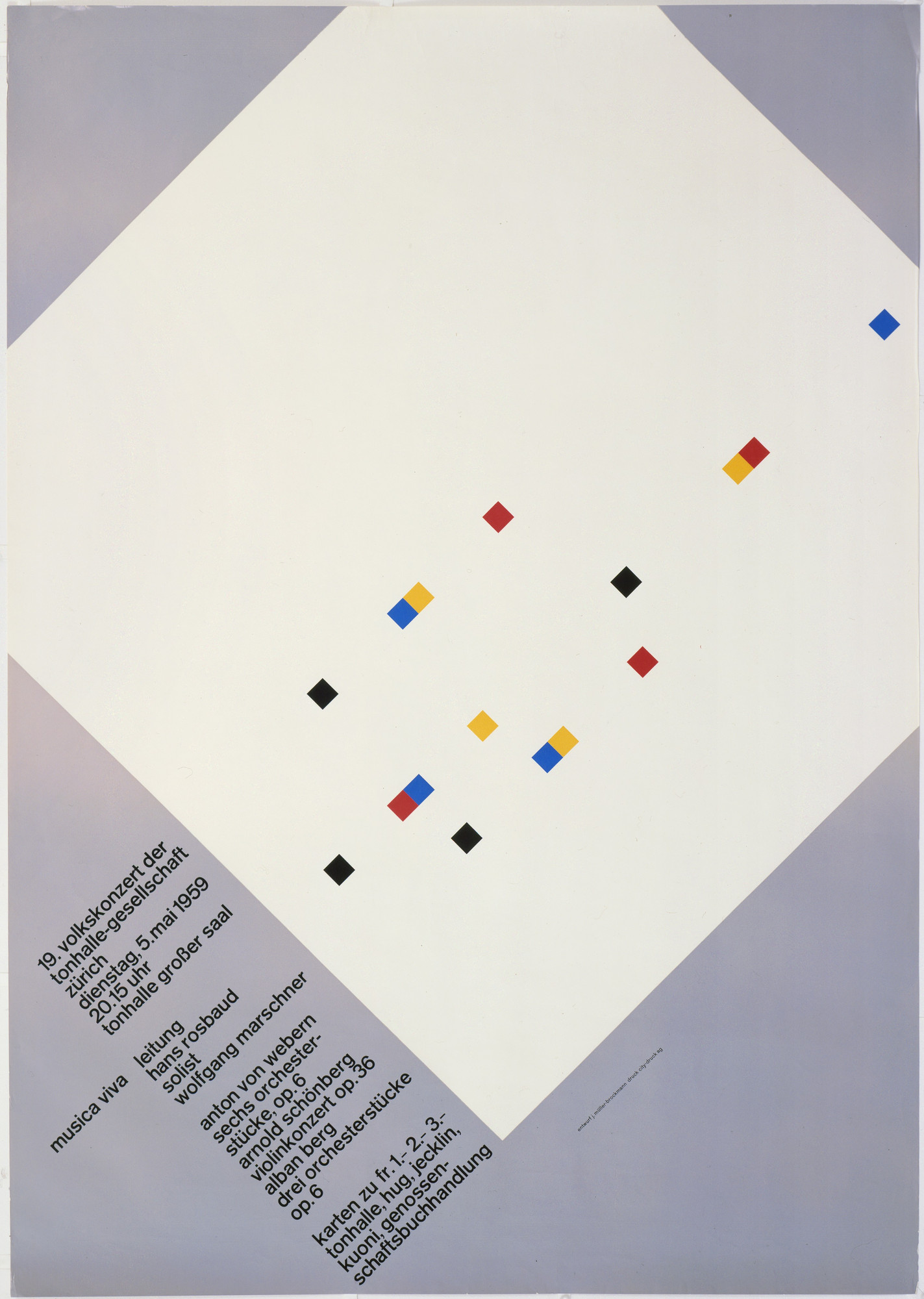
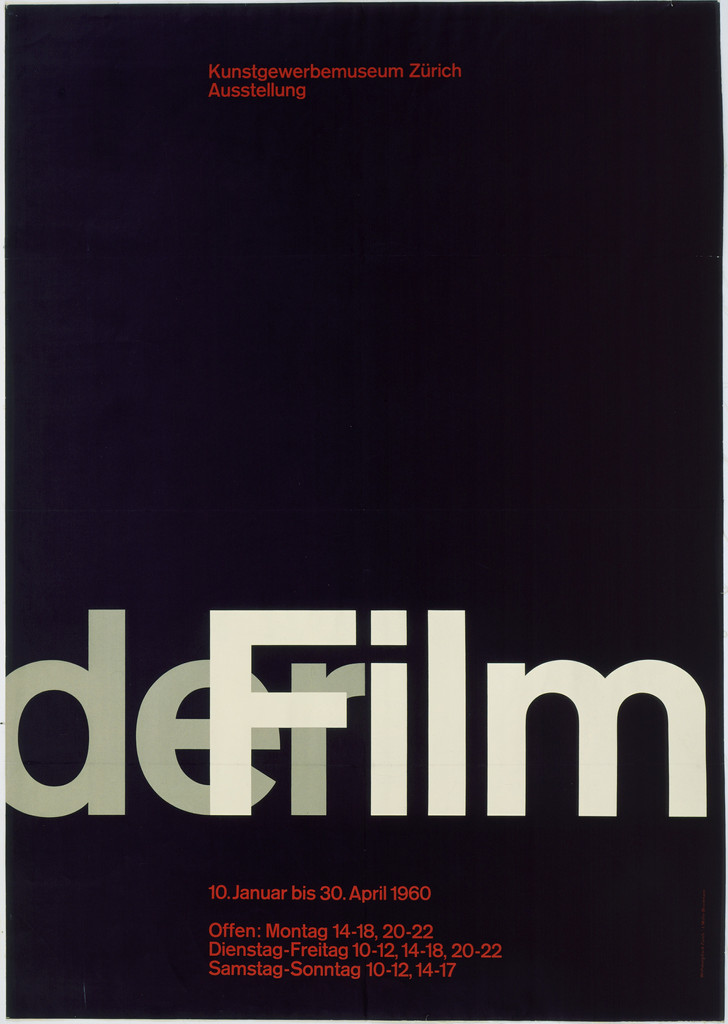
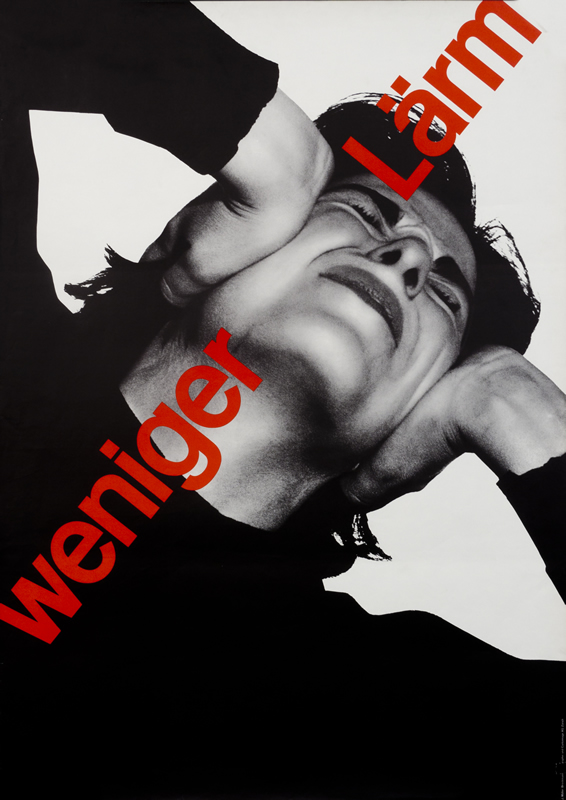


Josef Müller-Brockmann
1914–1996
Swiss International Style, grid systems, concert poster
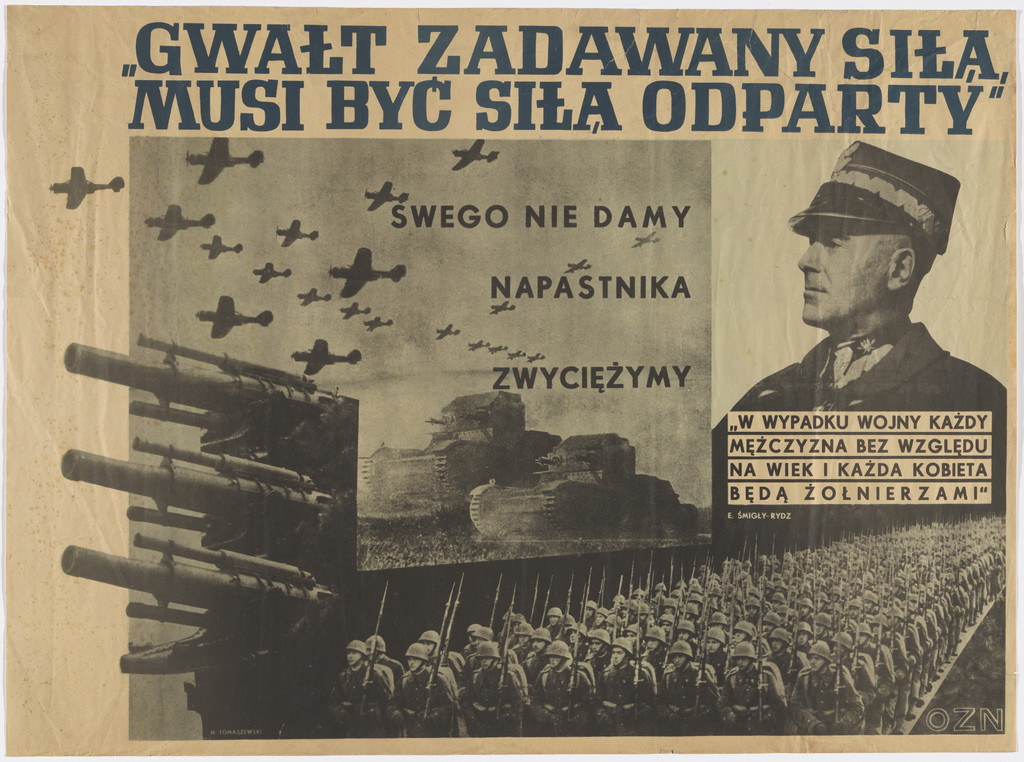
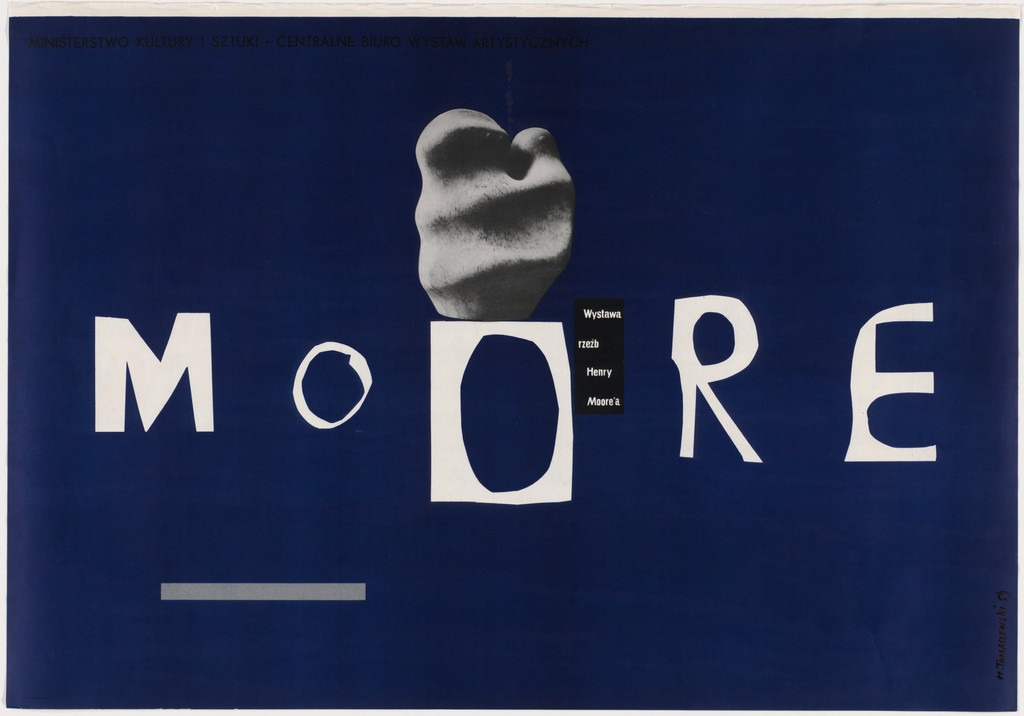
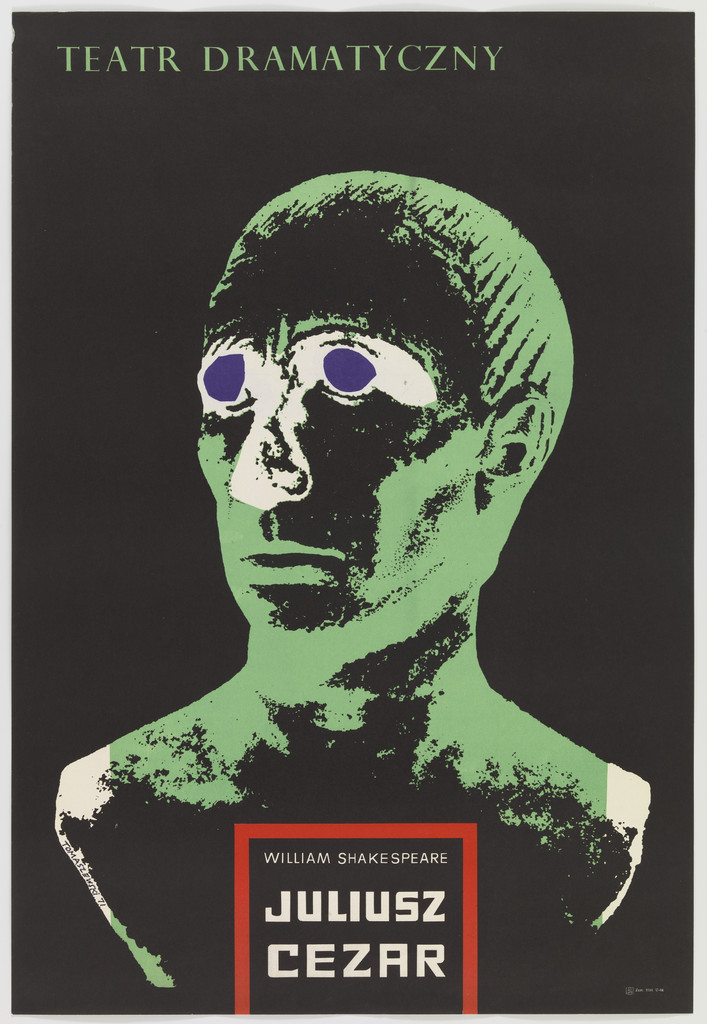
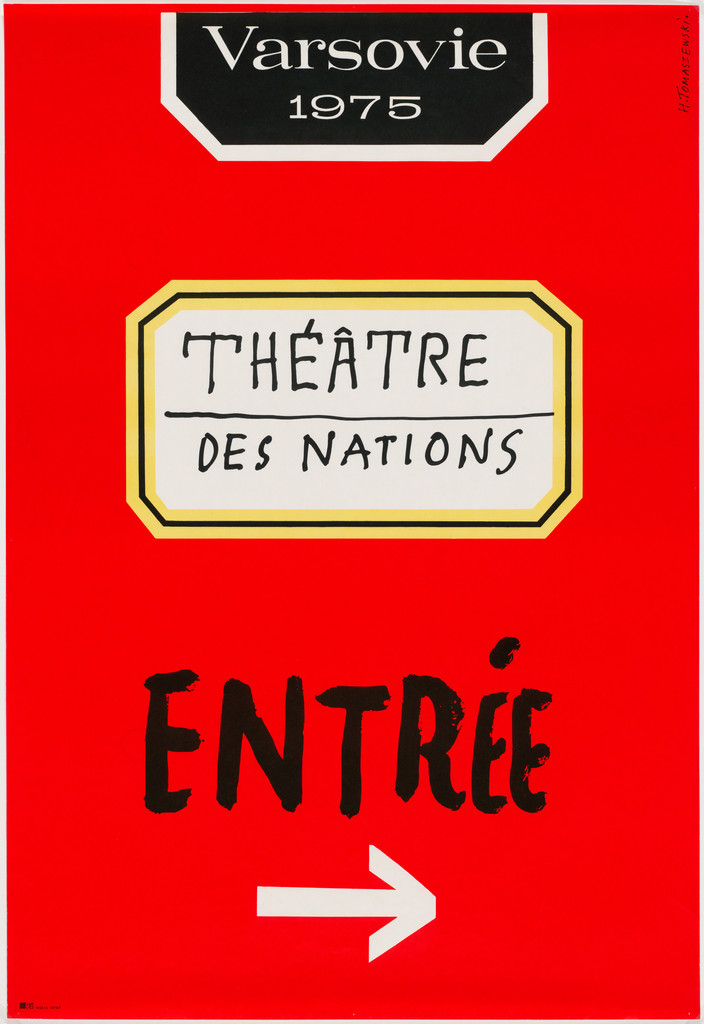
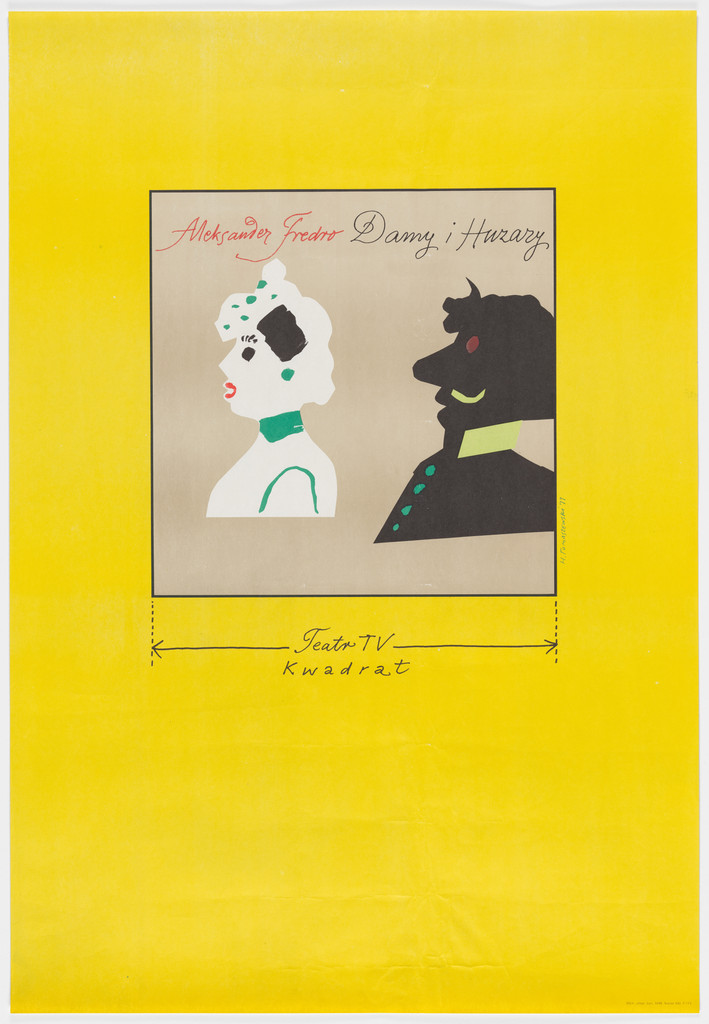
Henryk Tomaszewski
1914–2005
Polish poster school — hand-drawn wit


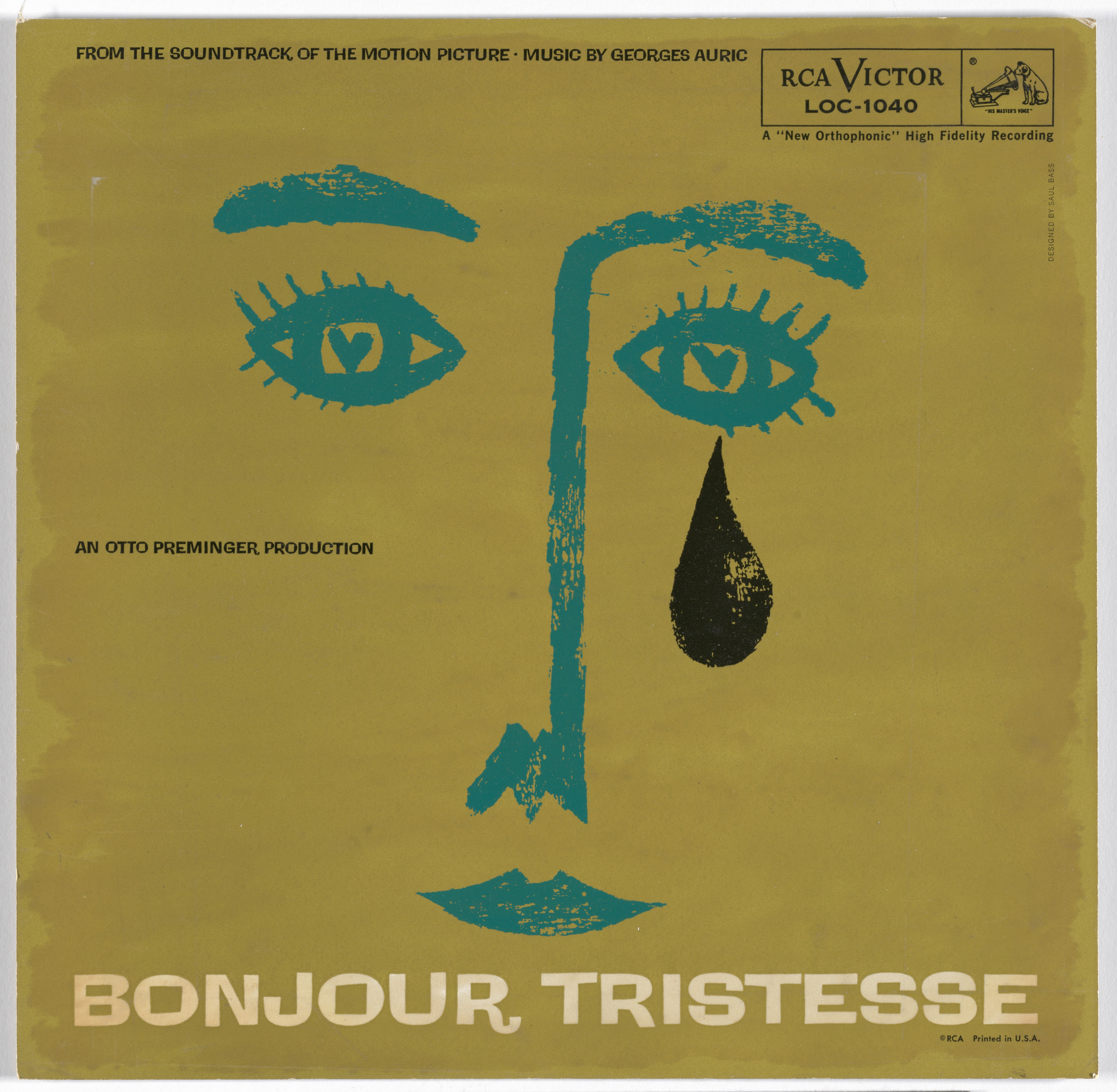

Saul Bass
1920–1996
film titles and corporate marks
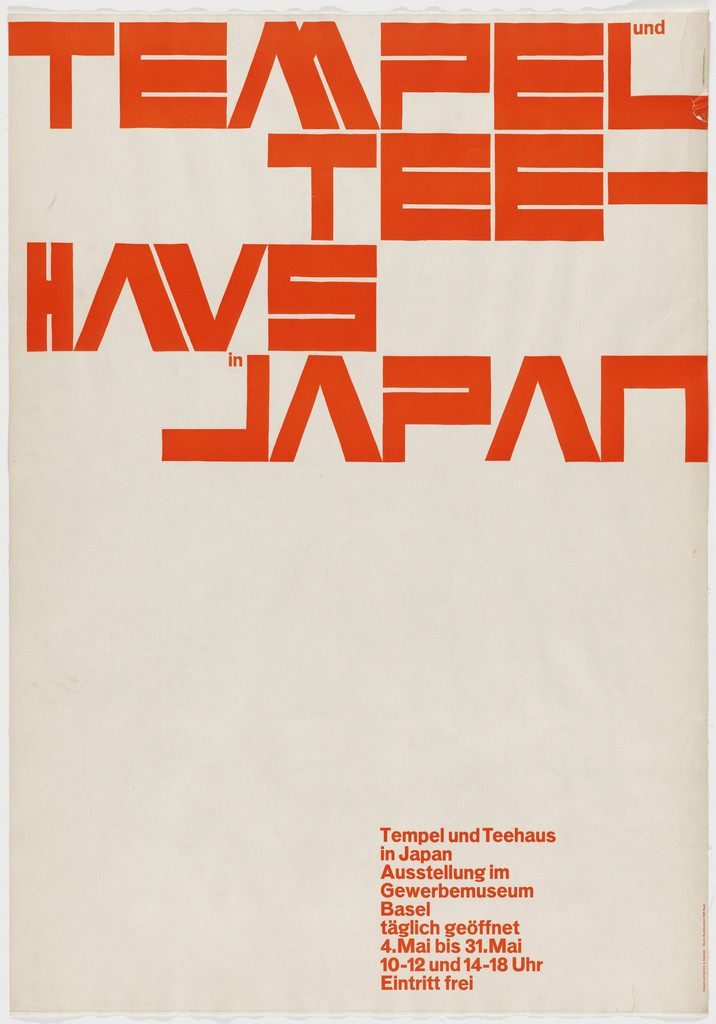
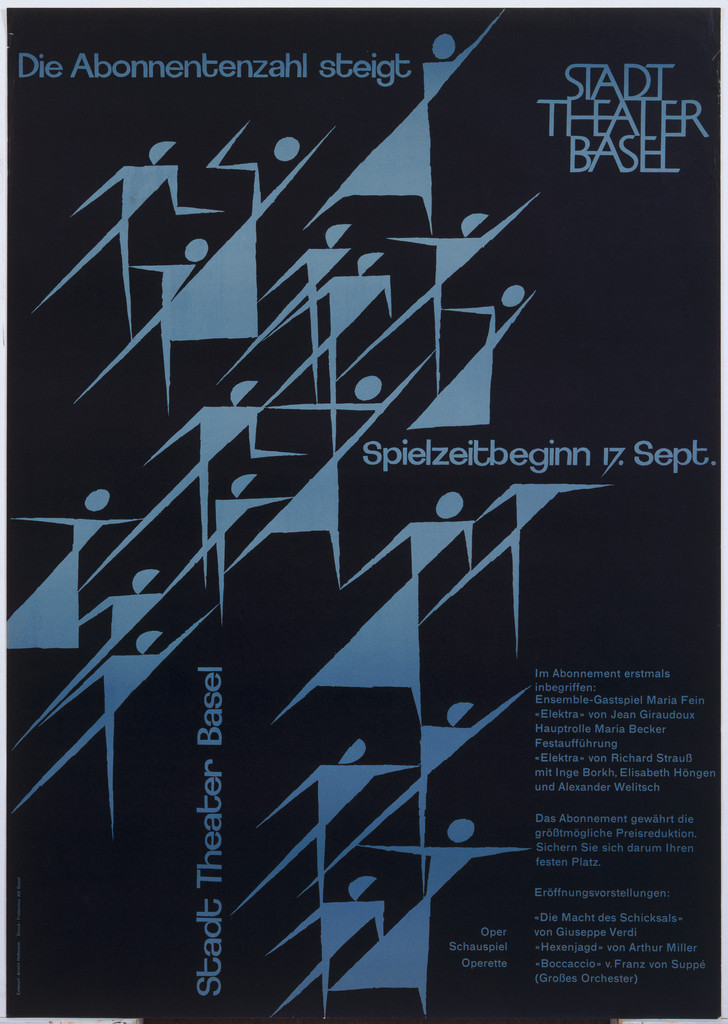
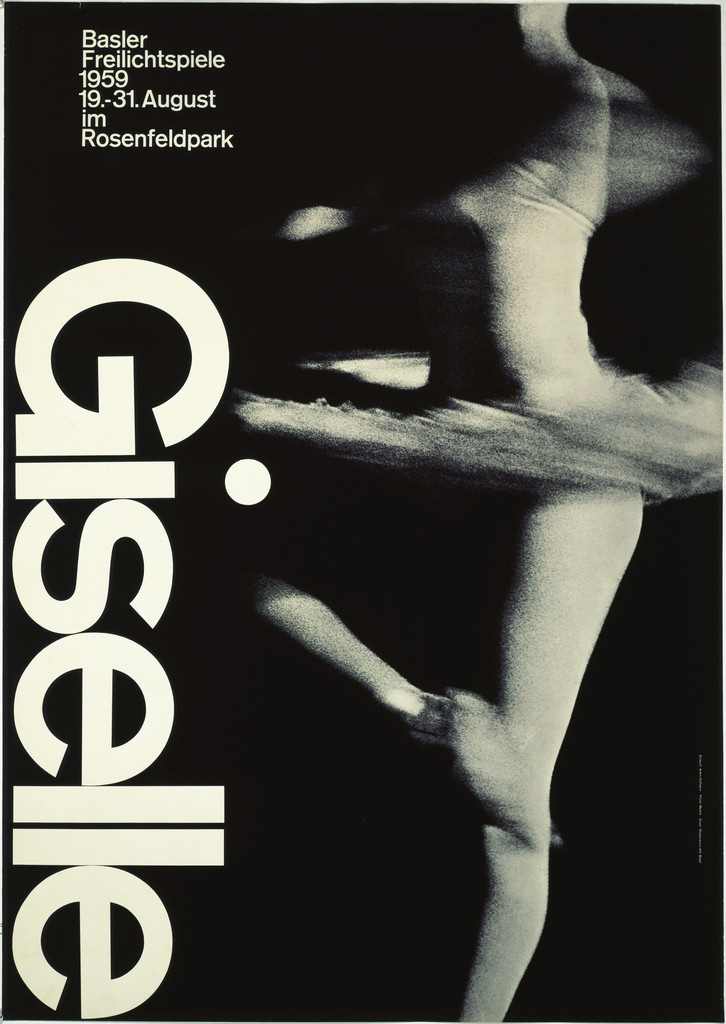
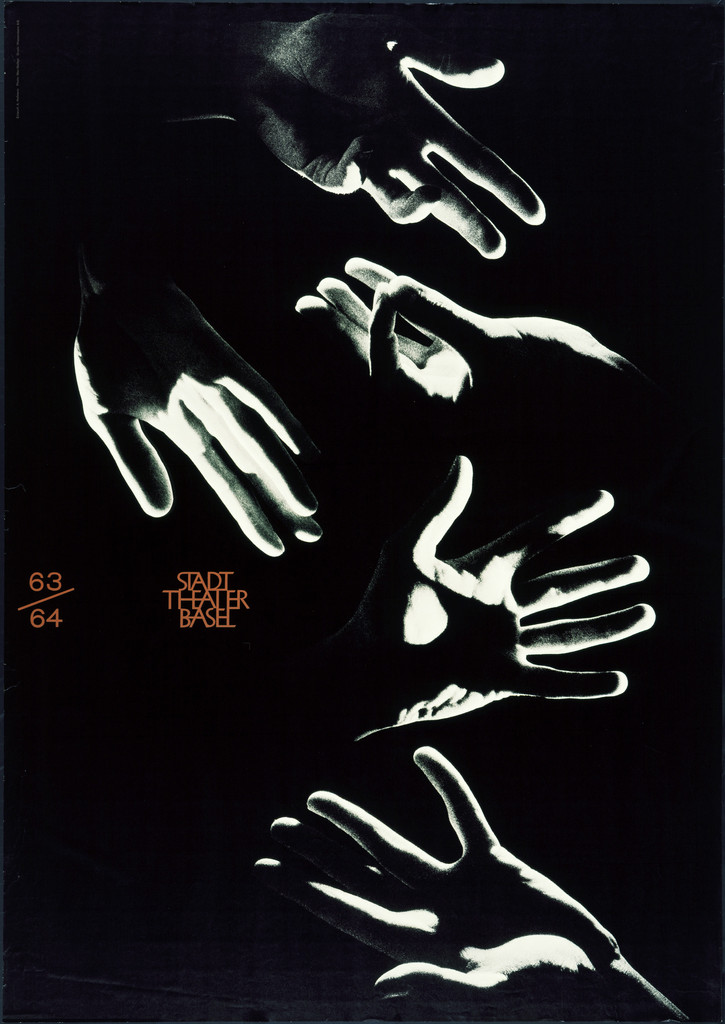
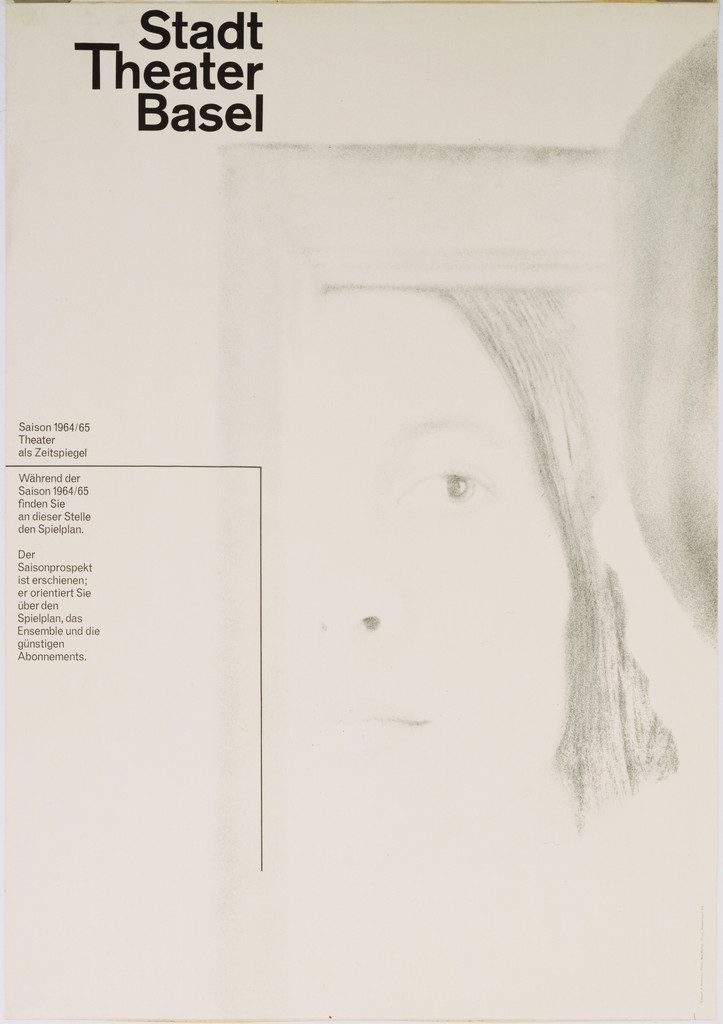
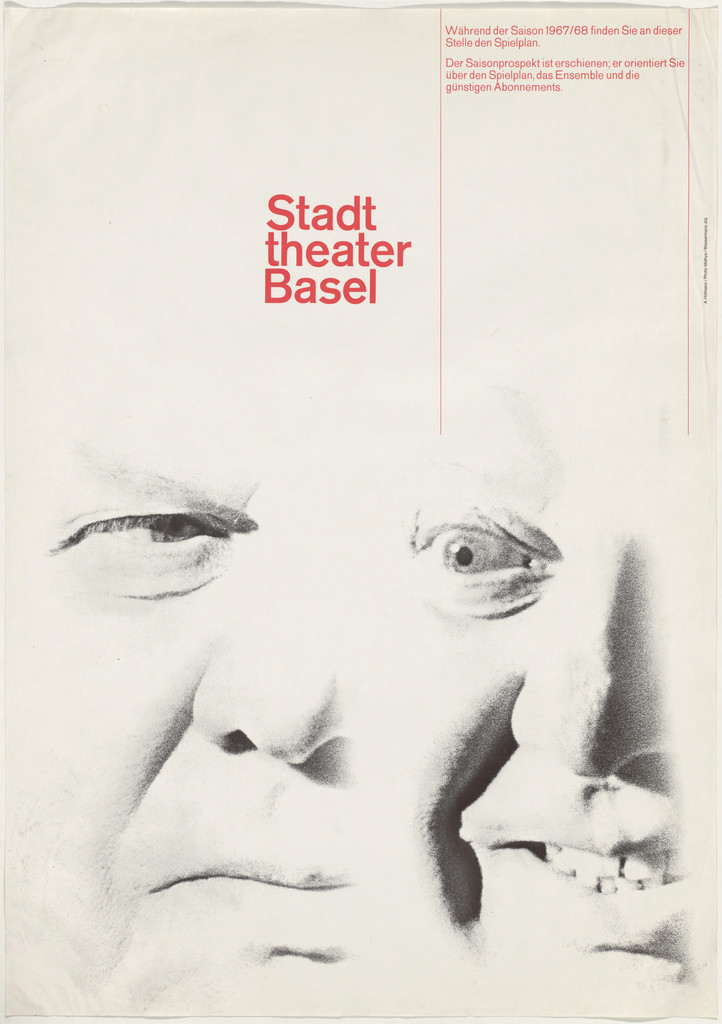
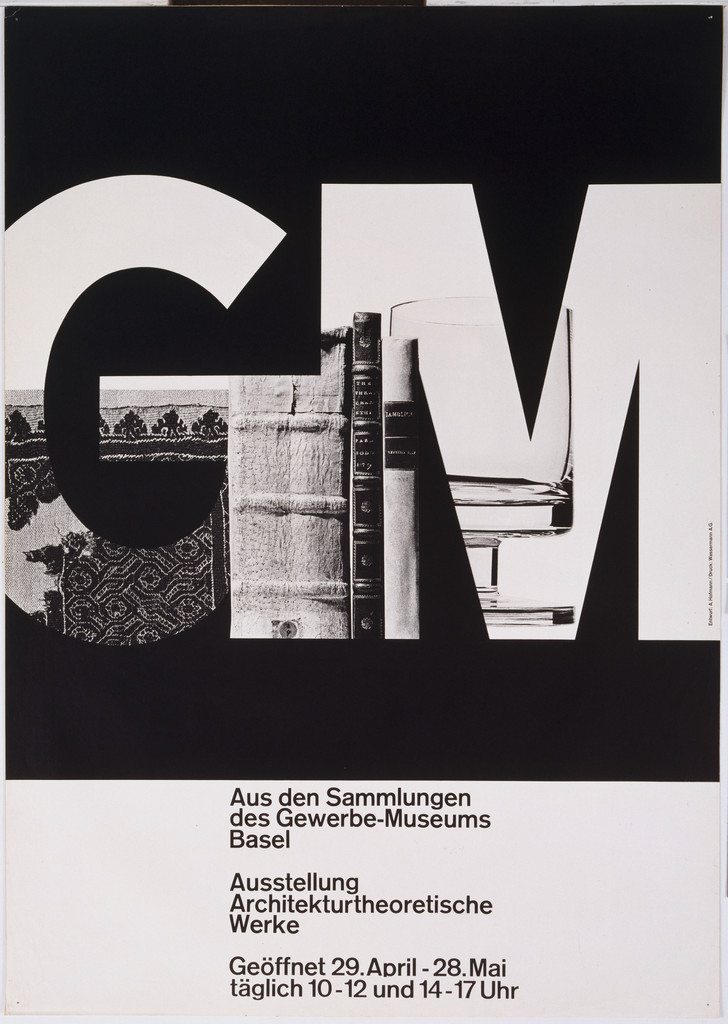

Armin Hofmann
1920–2020
Basel School, pedagogy of form, poster in black and white
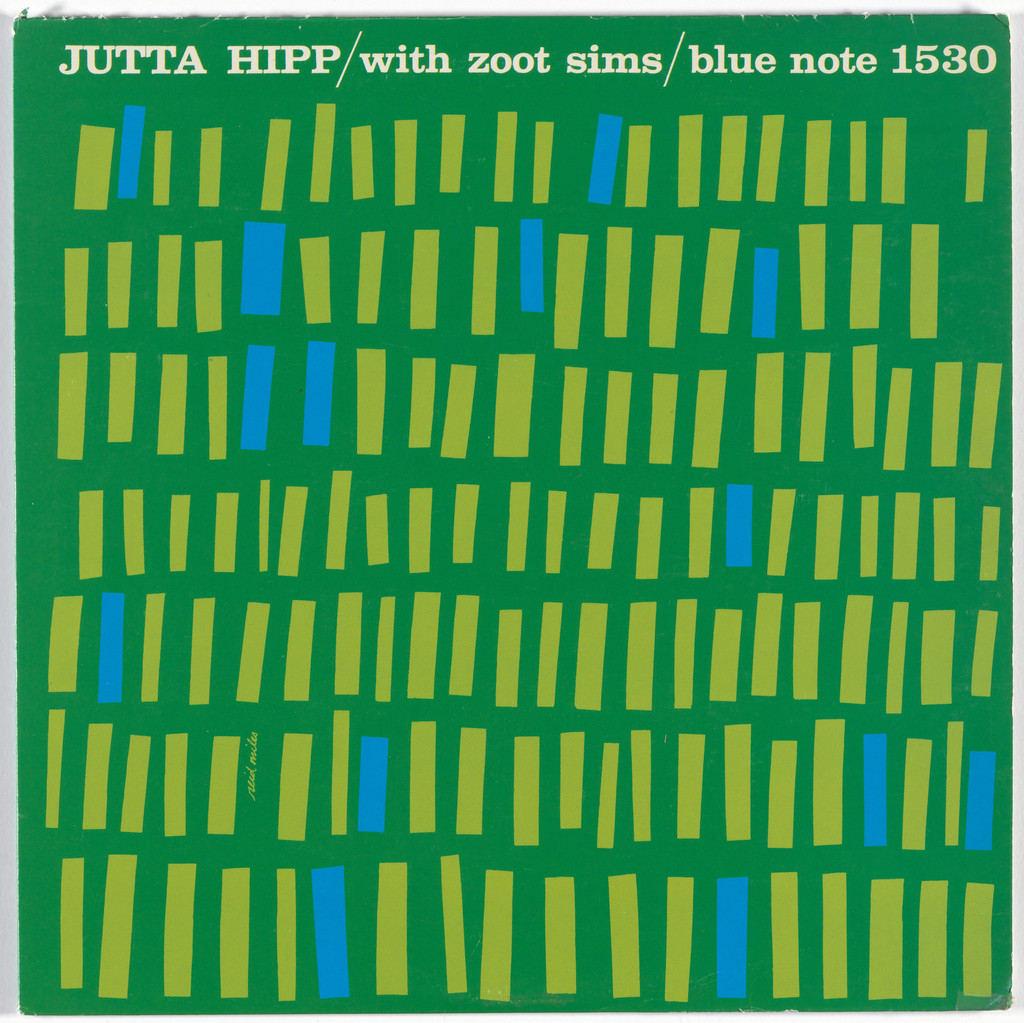

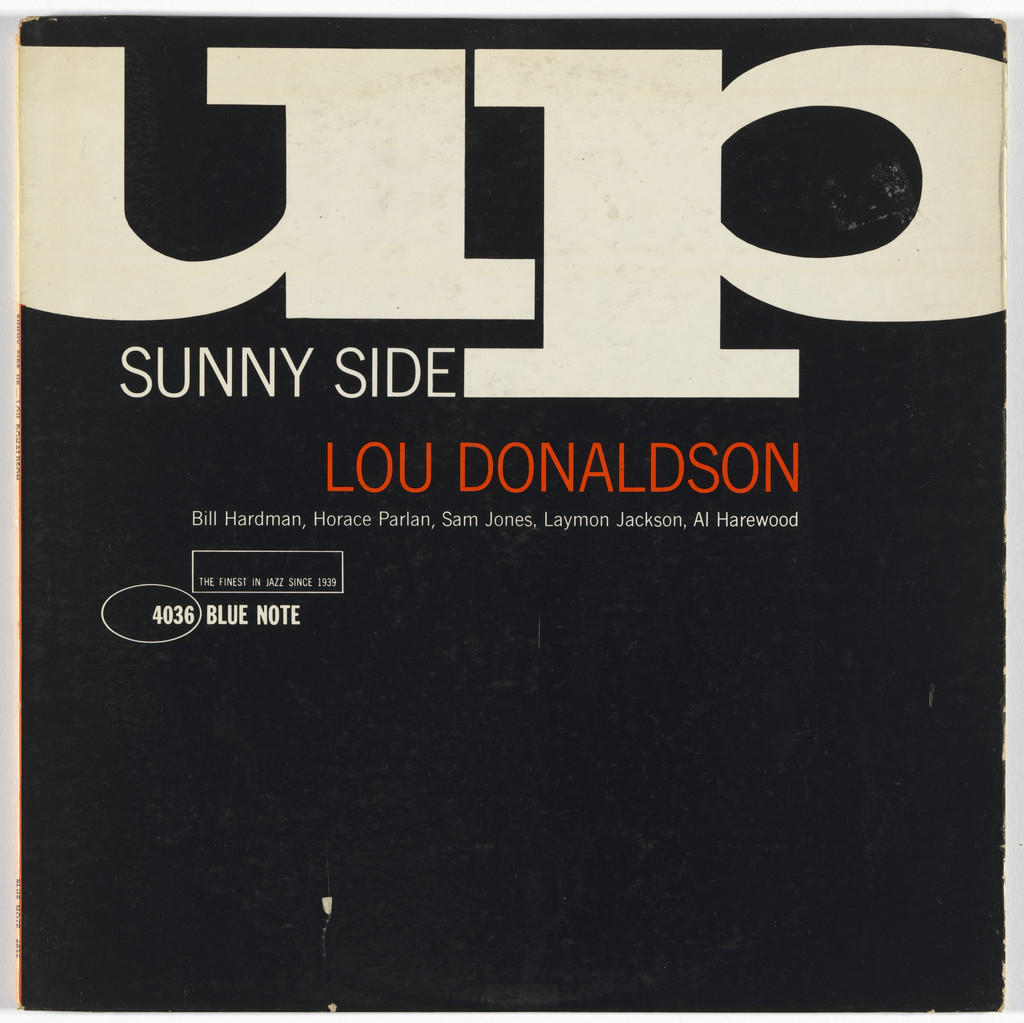
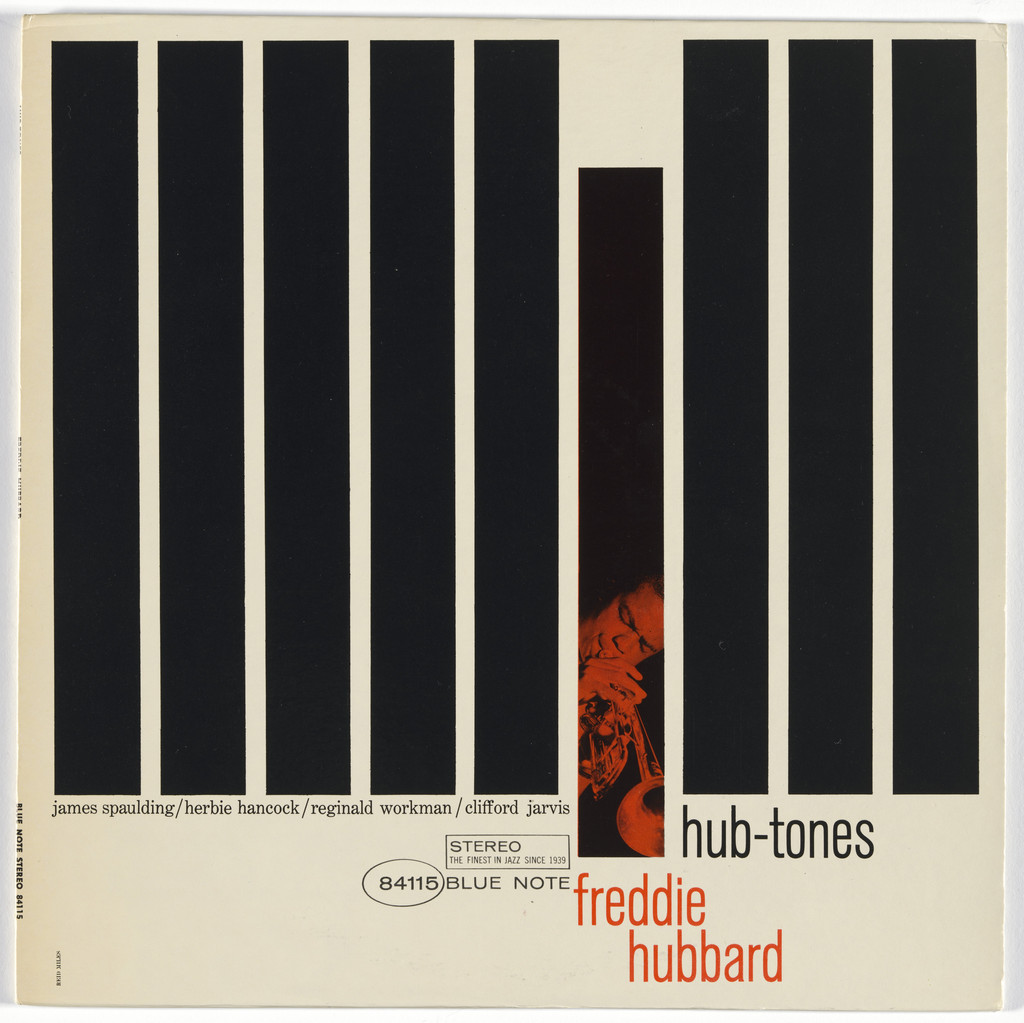
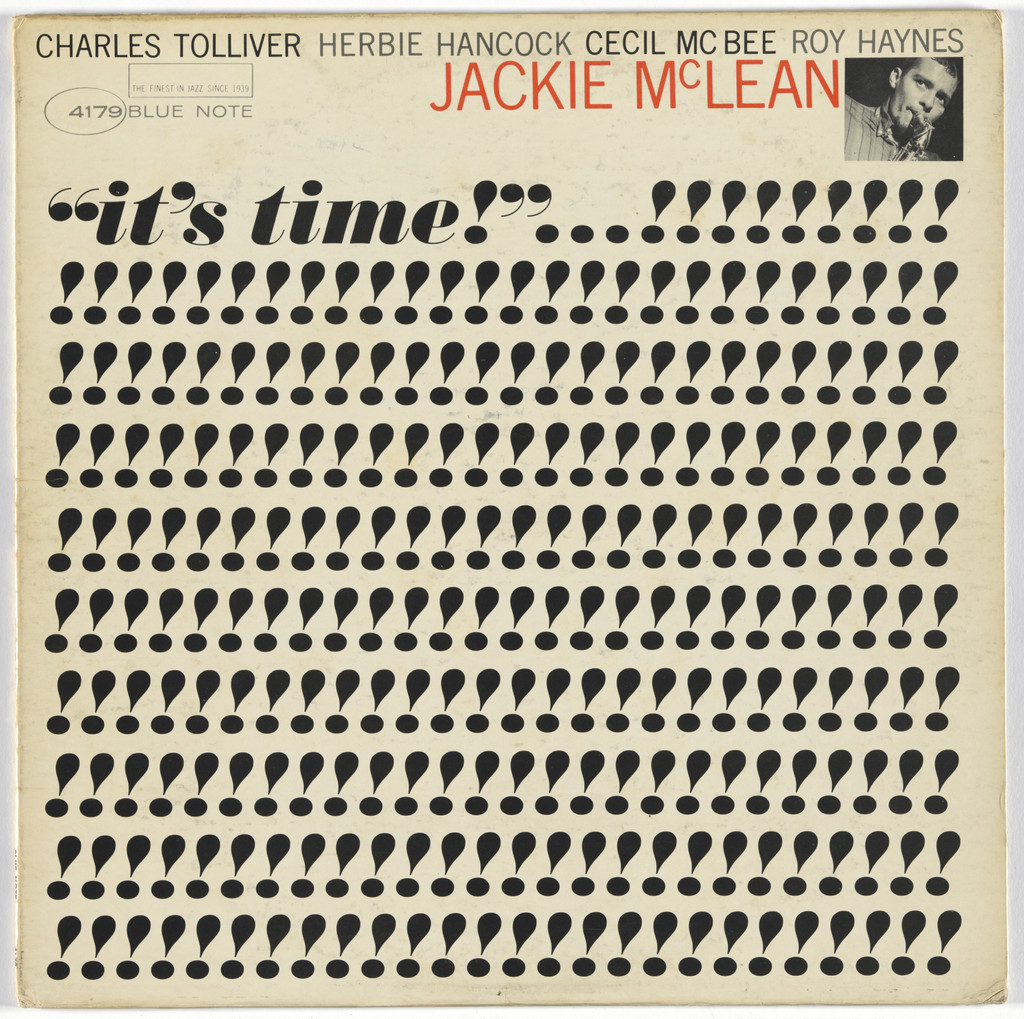
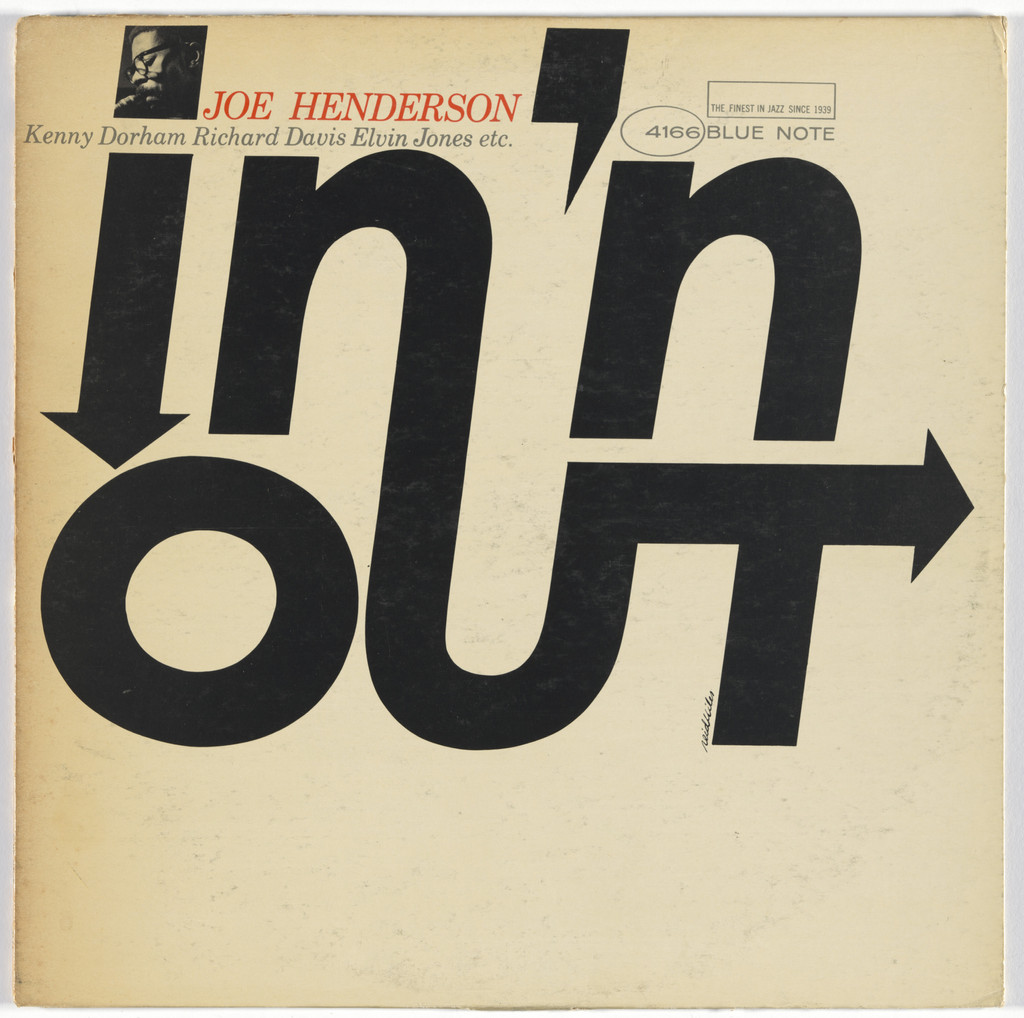
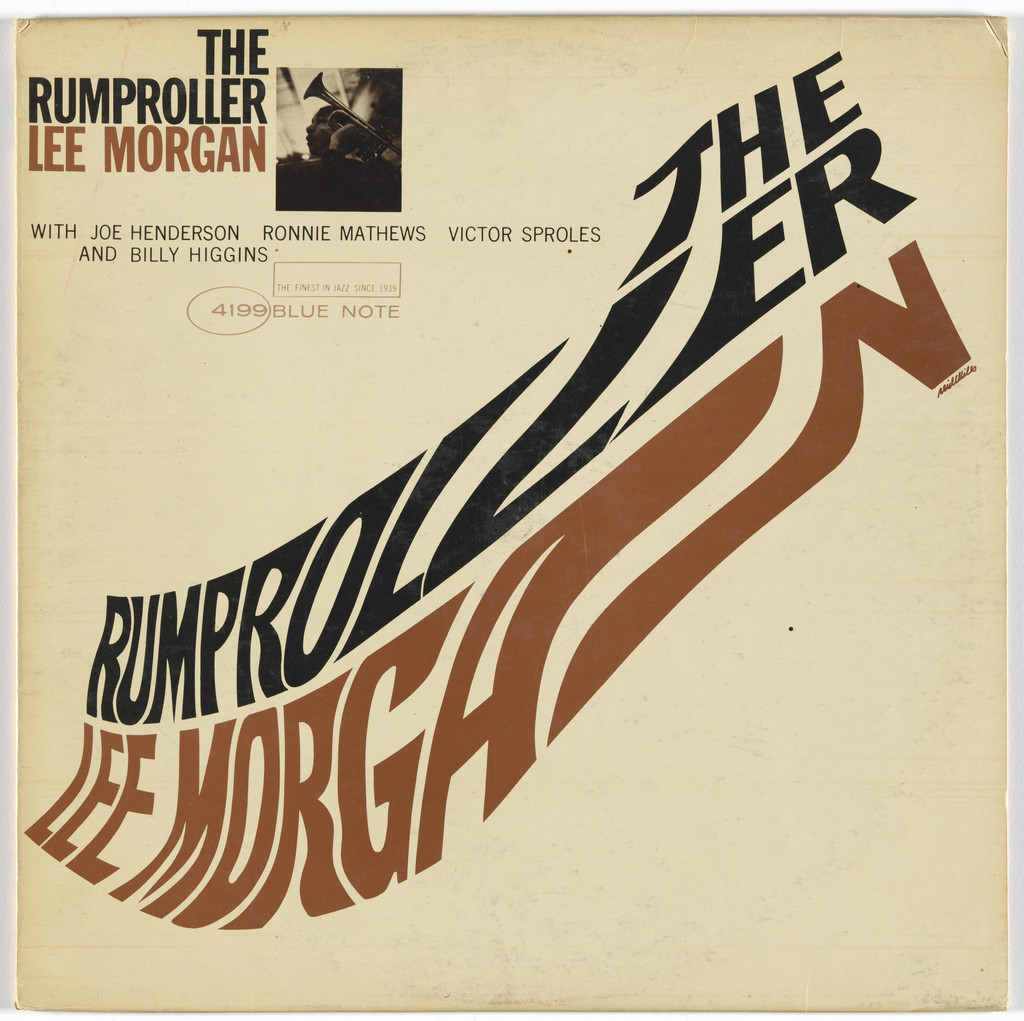
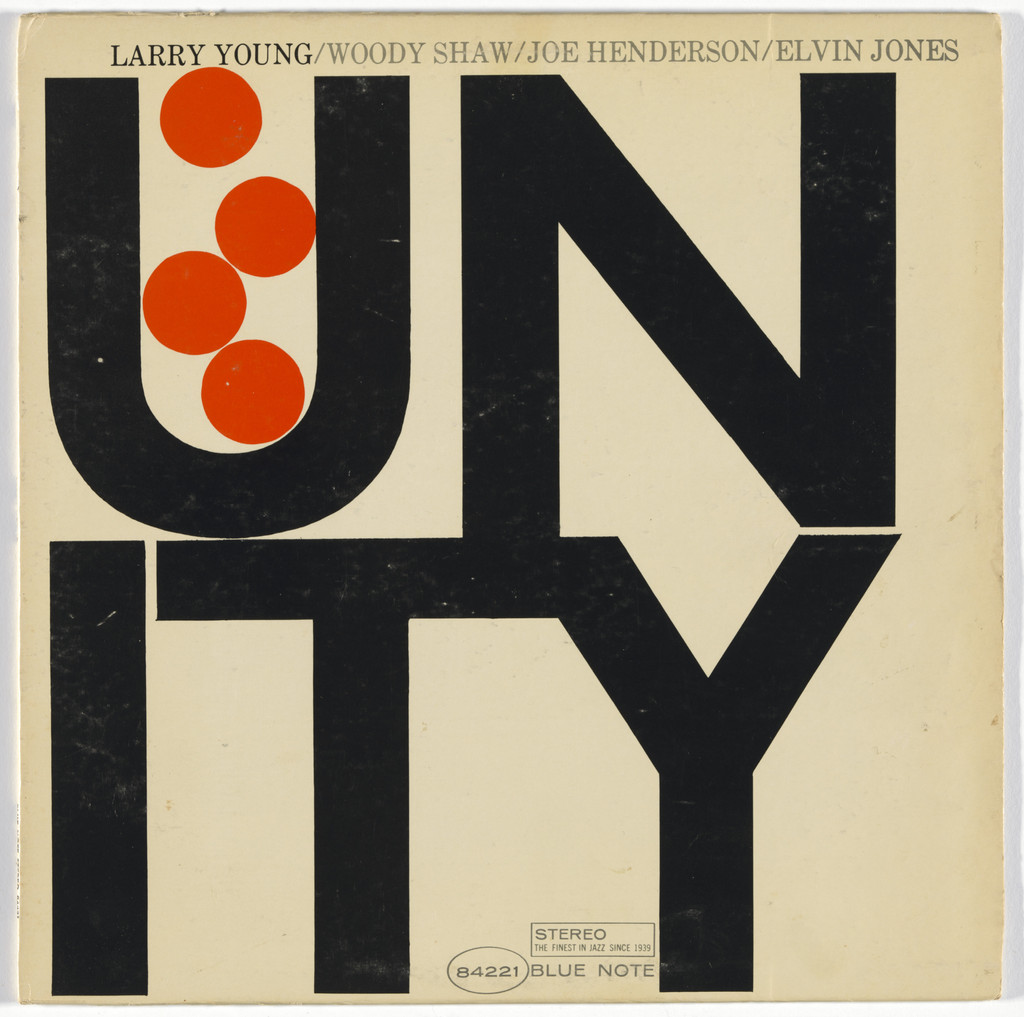
Reid Miles
1927–1993
Record covers, typographic jazz


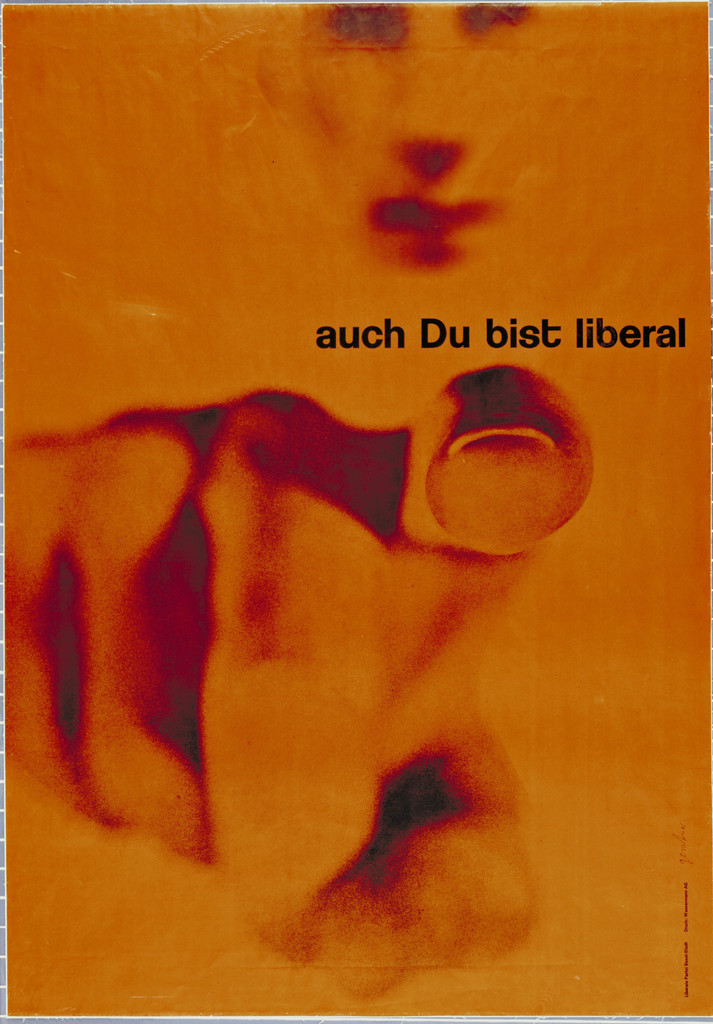
Adrian Frutiger
1928–2015
design of typeface families and signage systems
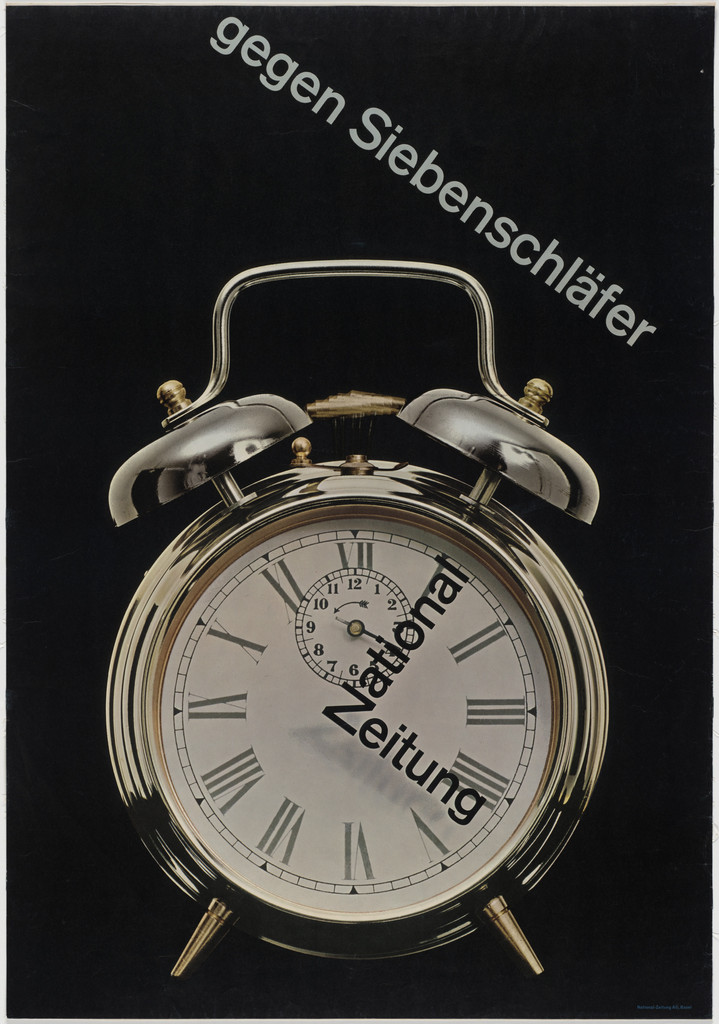
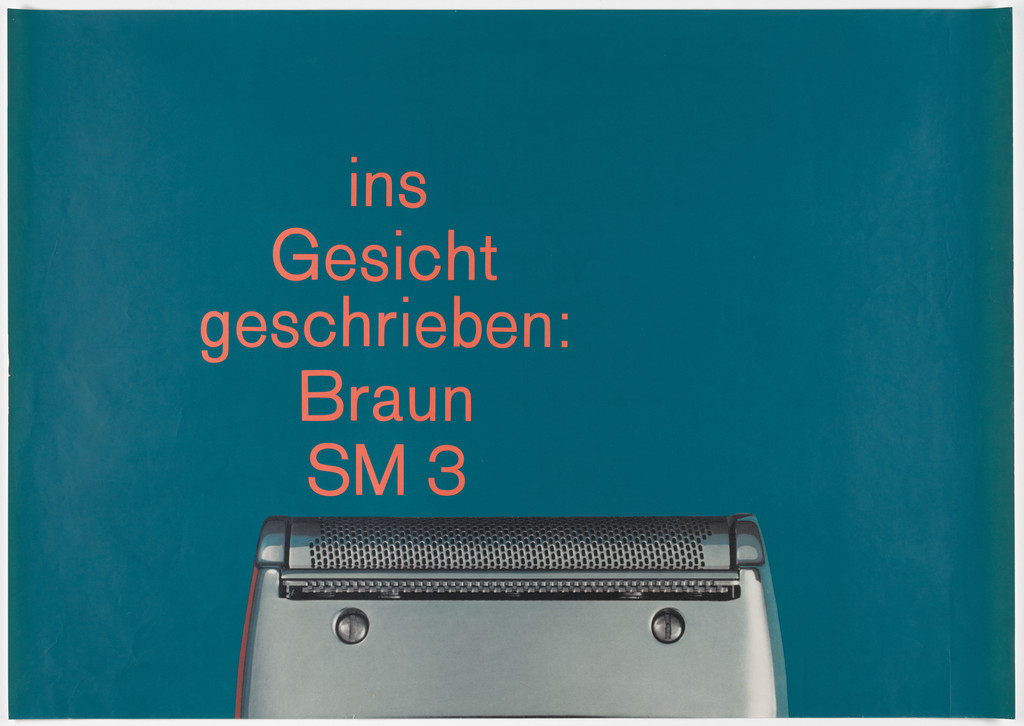


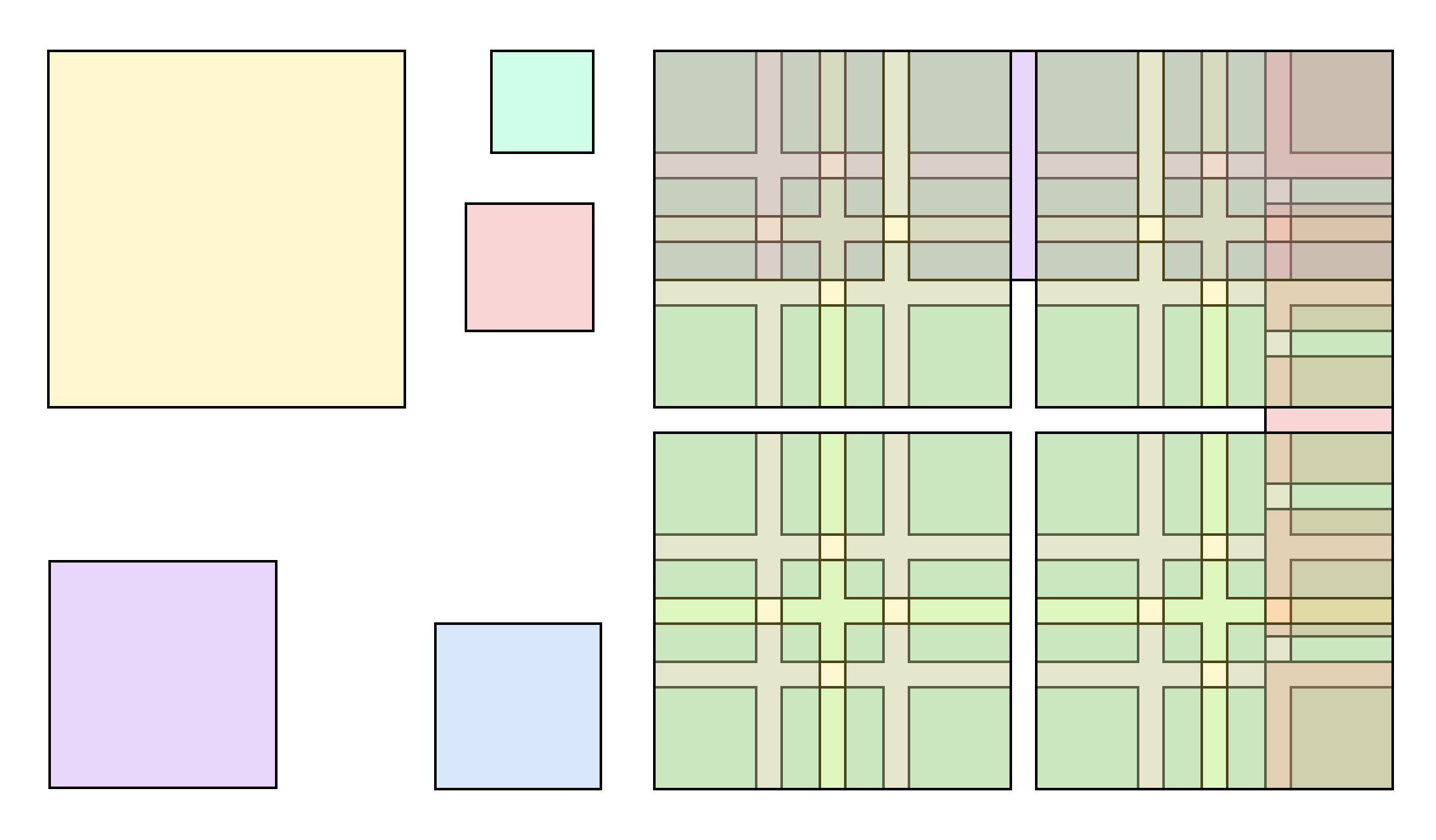
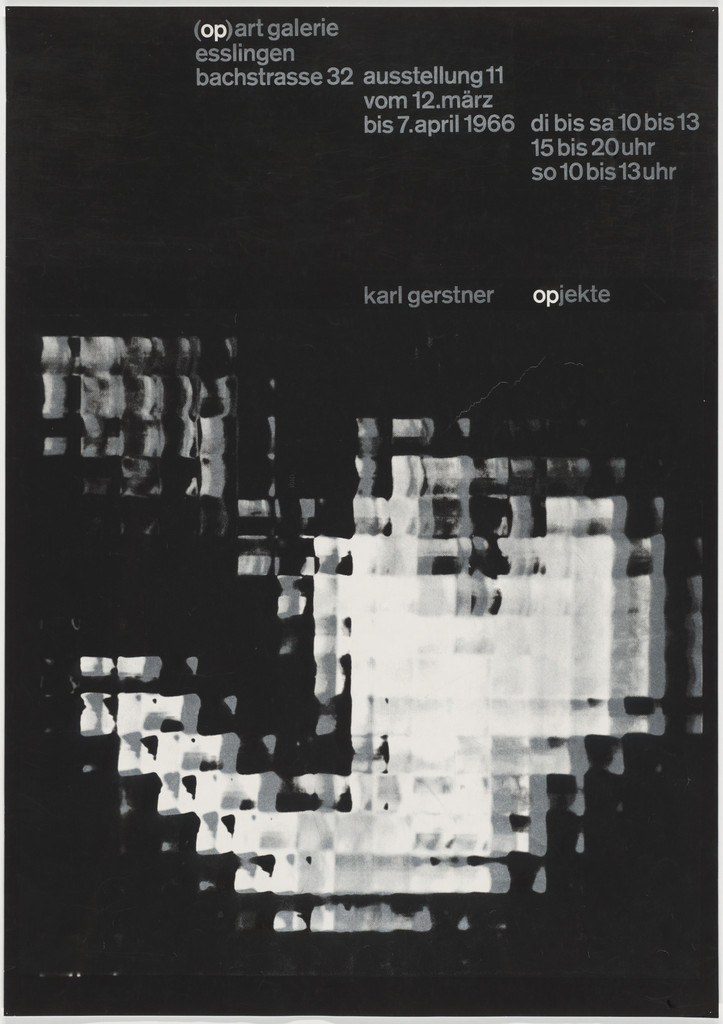
Karl Gerstner
1930–2017
Programmatic and parametric design
1965


Herb Lubalin
1918–1981
letter as image — type pushed, overlapped and cut until it becomes content


Corita Kent (Sister Mary Corita)
1918–1986
screenprint, pop-vernacular, protest — an advertising slogan read sincerely

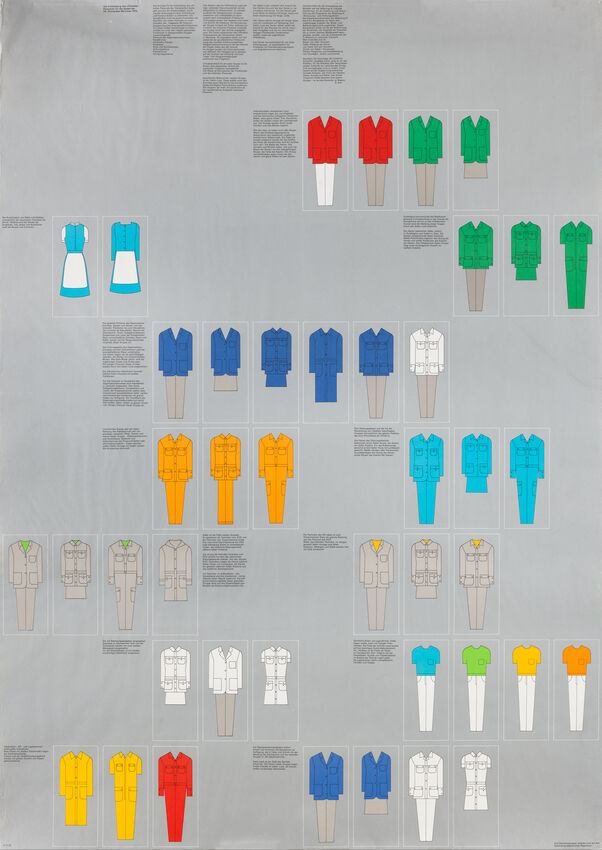
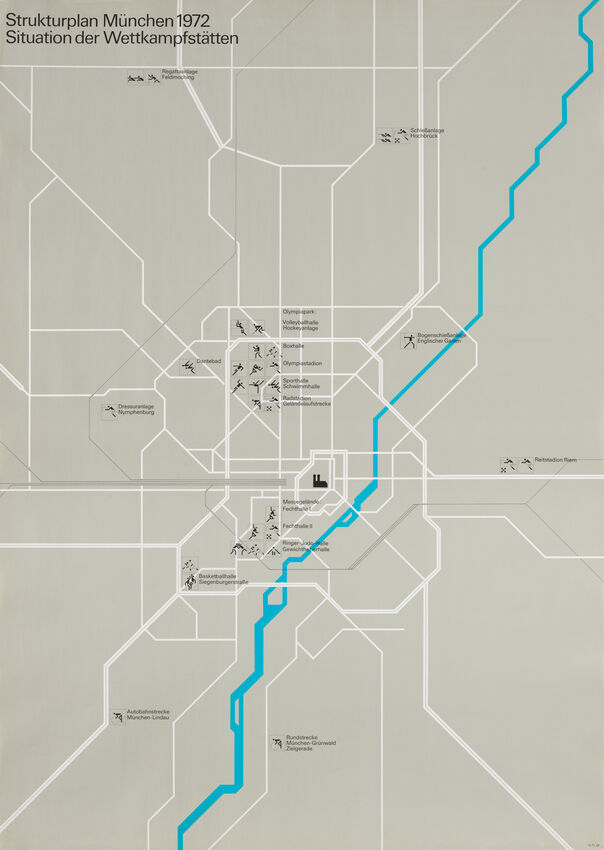


Otl Aicher
1922–1991
Systemic design, pictograms
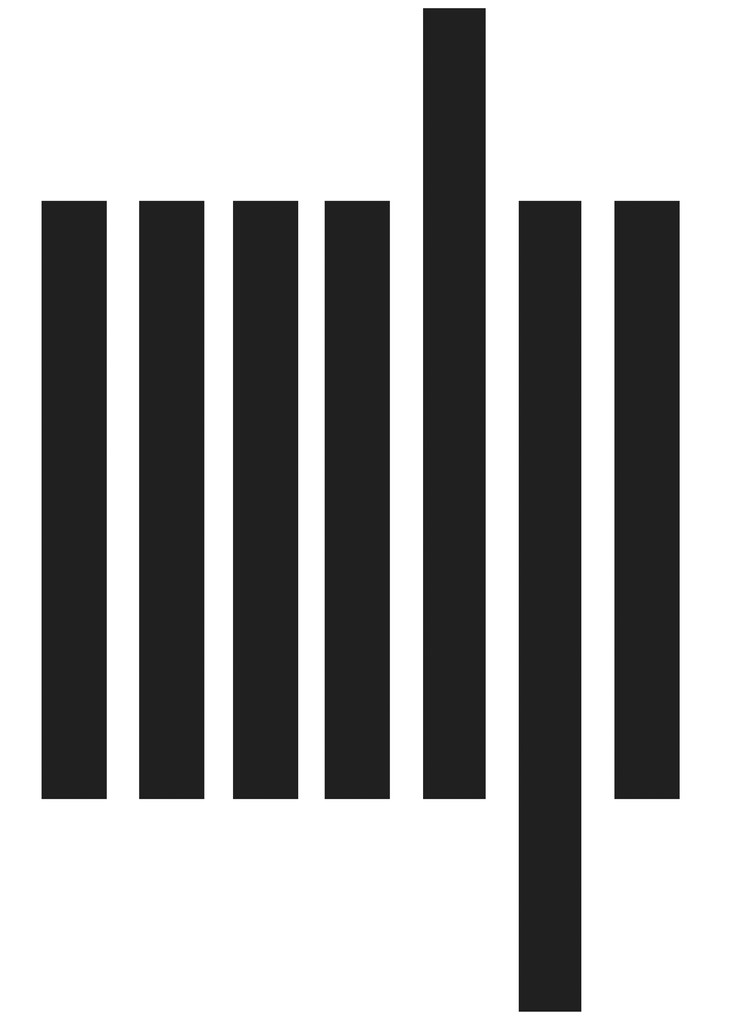

Muriel Cooper
1925–1994
book as system → typography without paper (depth, transparency, movement)
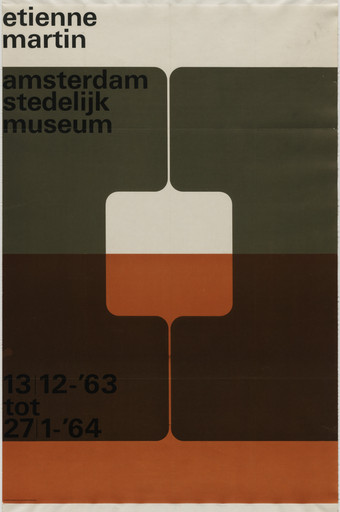
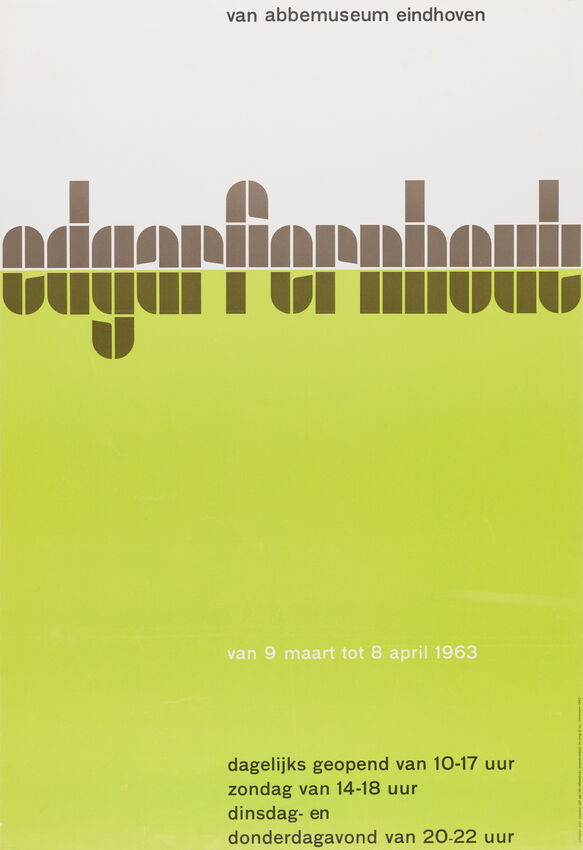
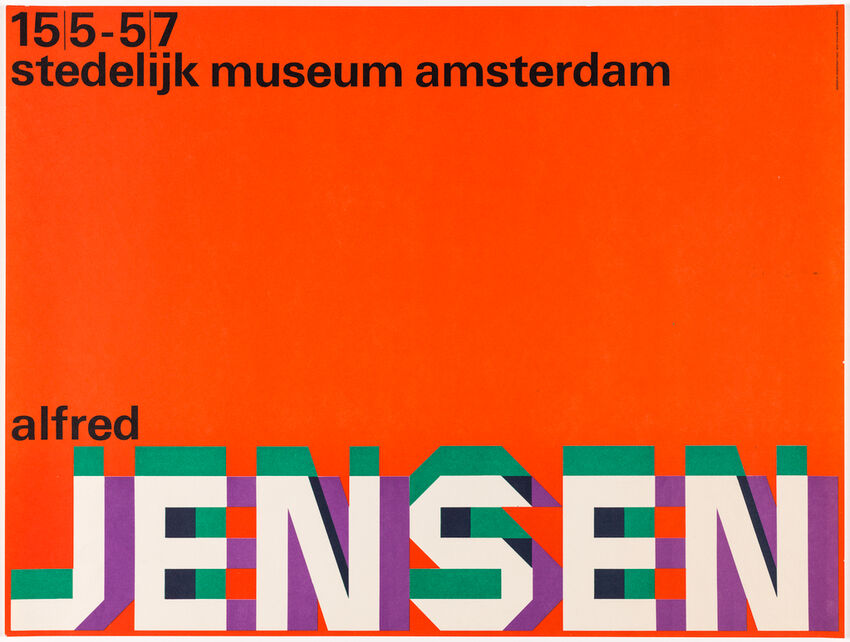
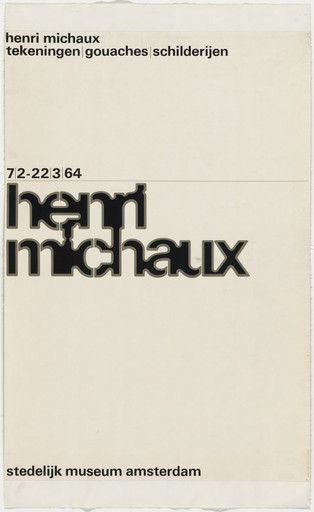

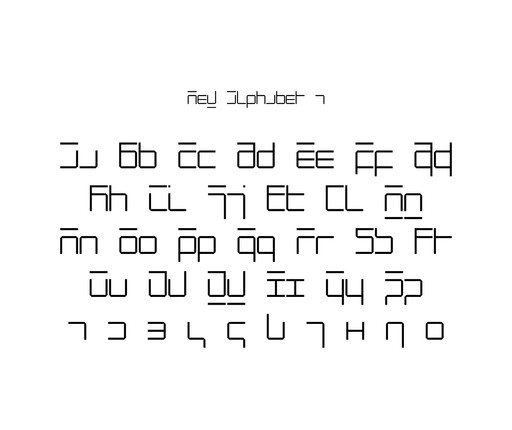
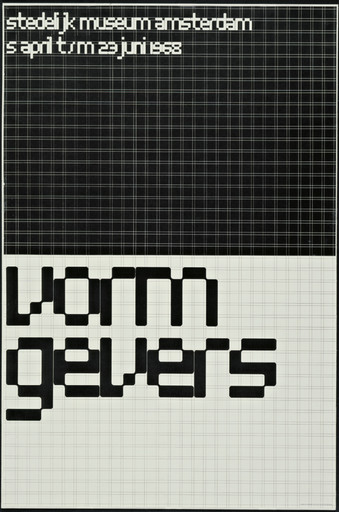
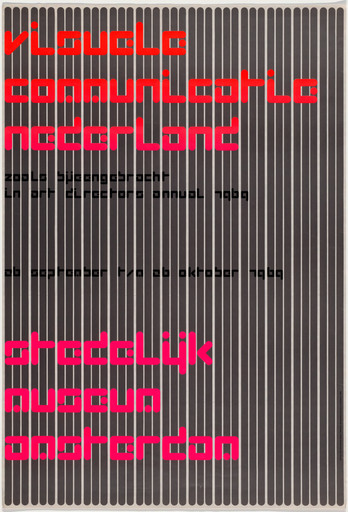
Wim Crouwel
1928–2019
systemic typography brought to a polemic against itself
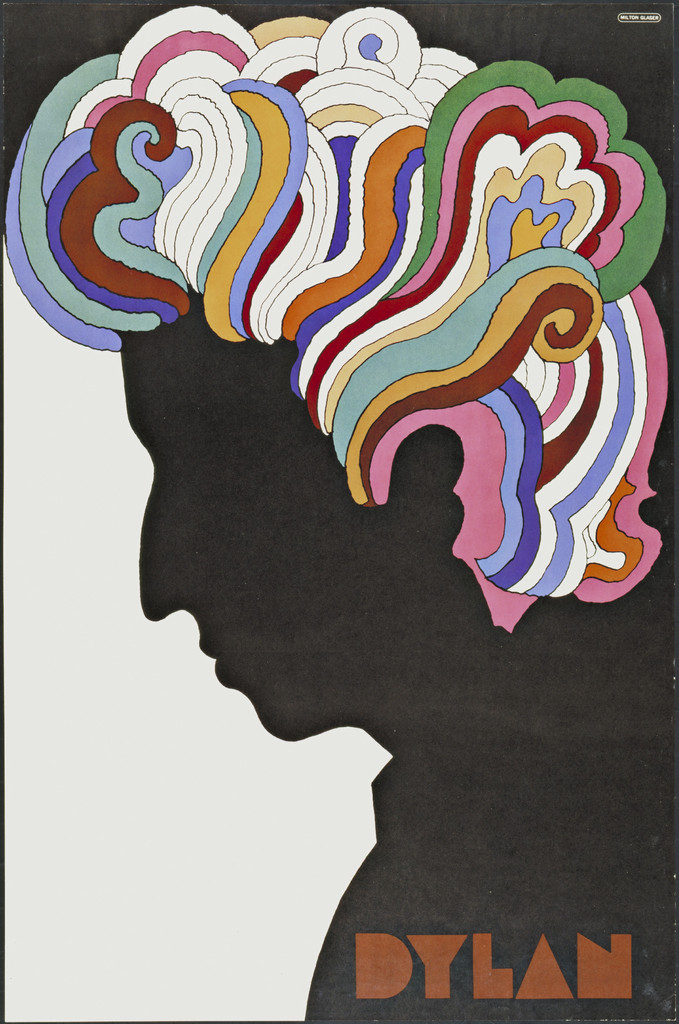
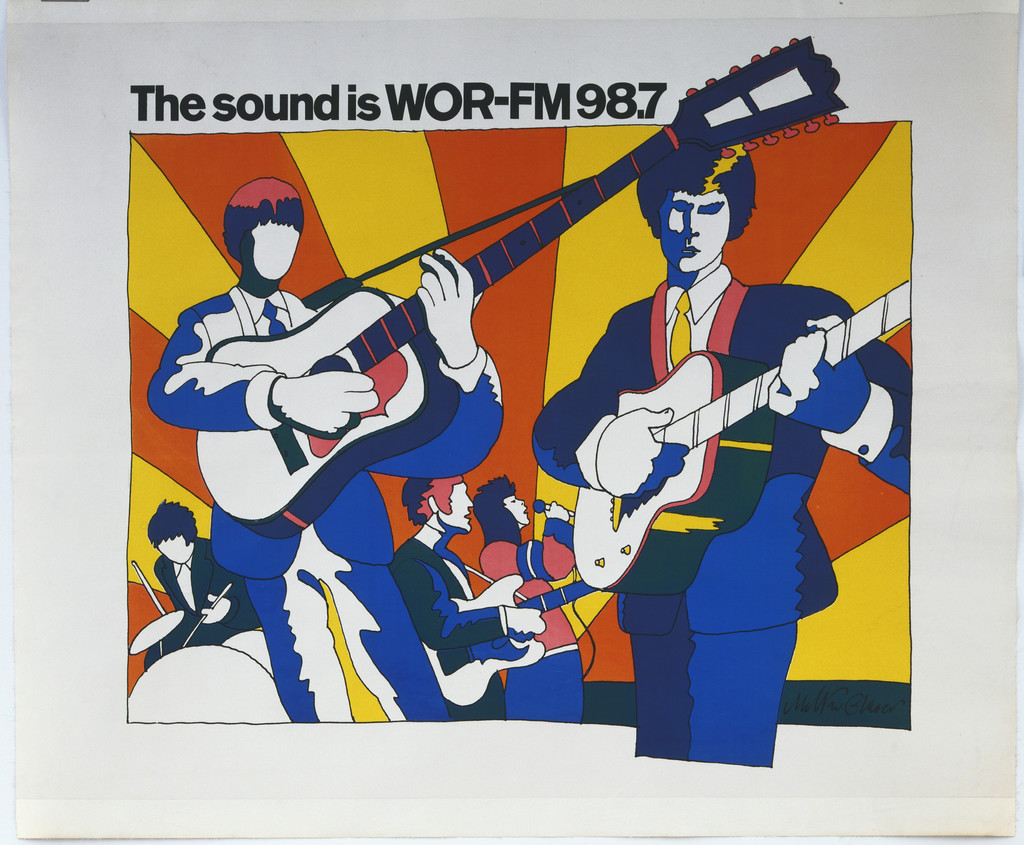
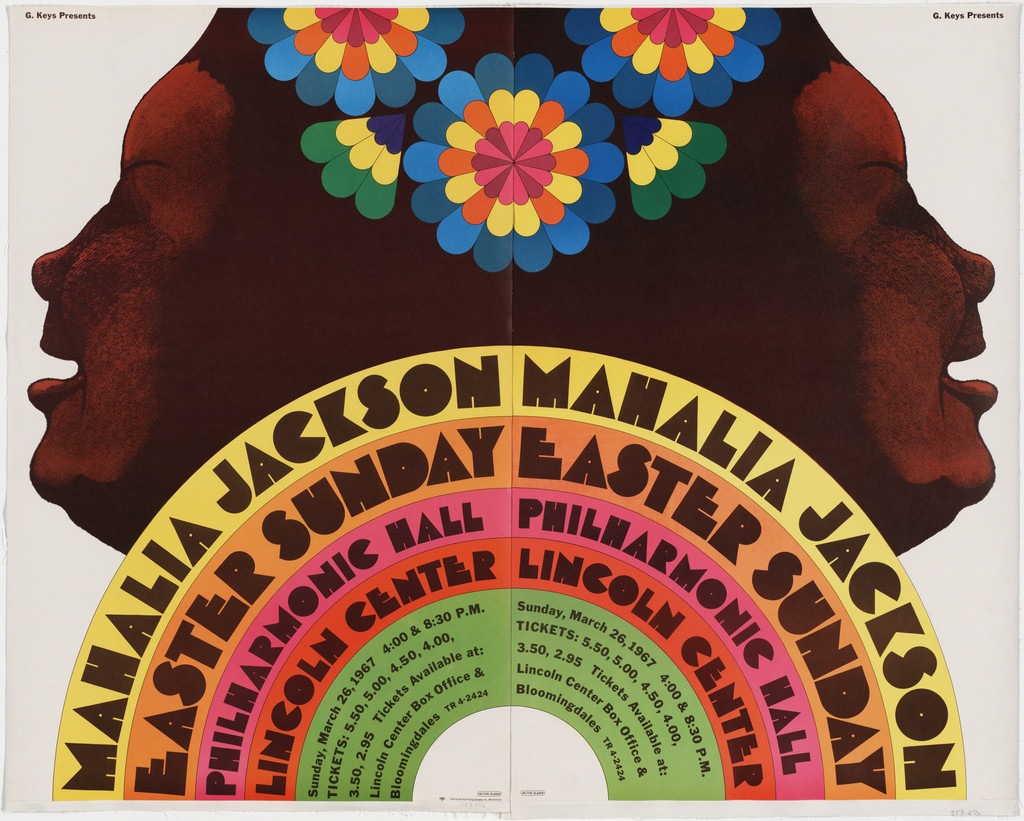


Milton Glaser
1929–2020
eclecticism — history as building material, not as reference
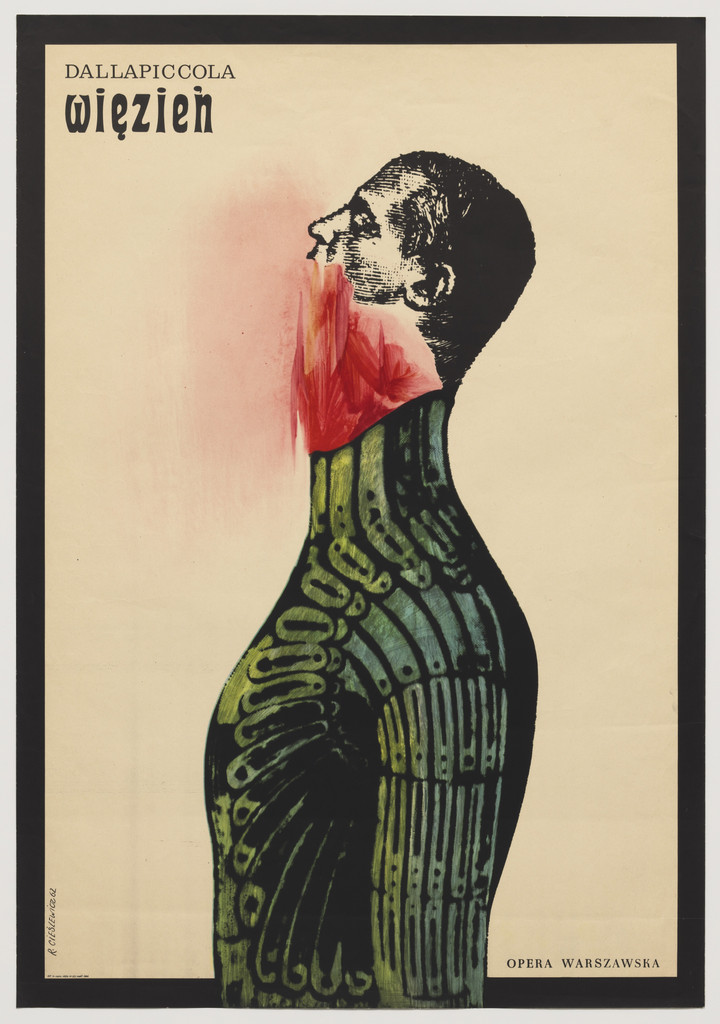
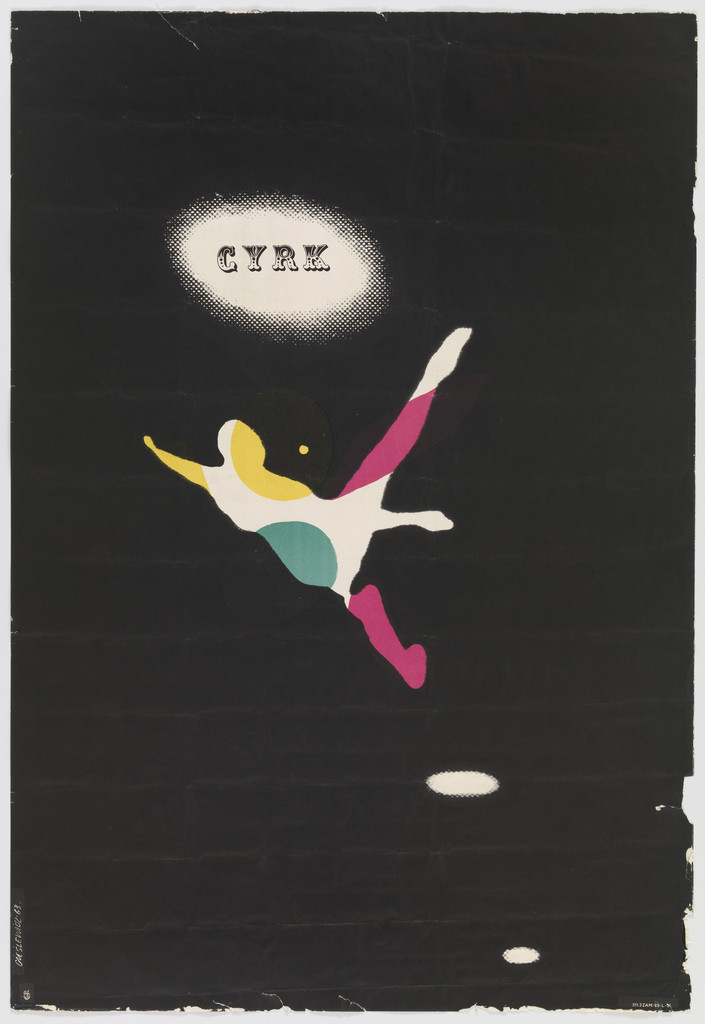
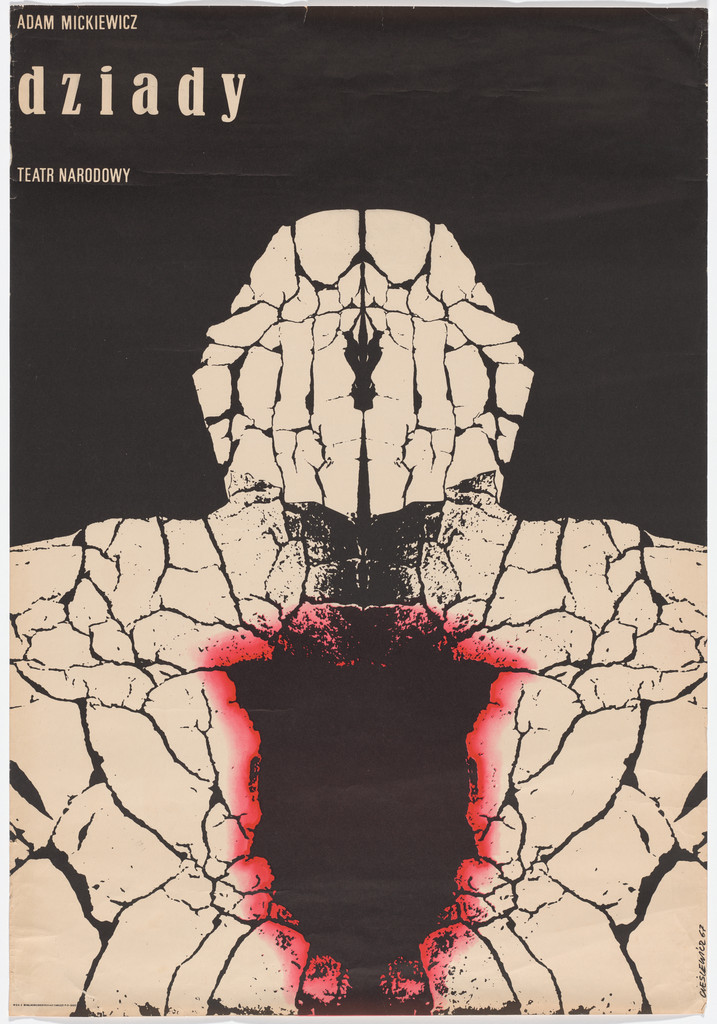
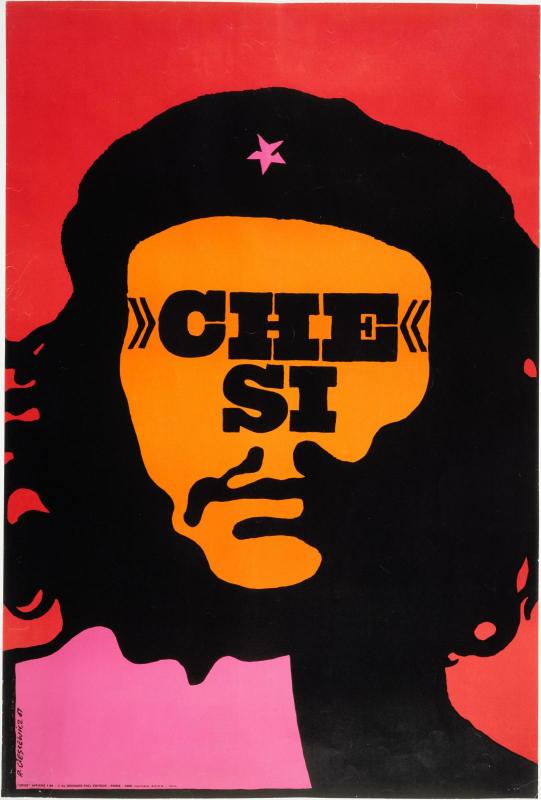
Roman Cieślewicz
1930–1996
photomontage, enlarged halftone, mirroring — the image as an attack on the image
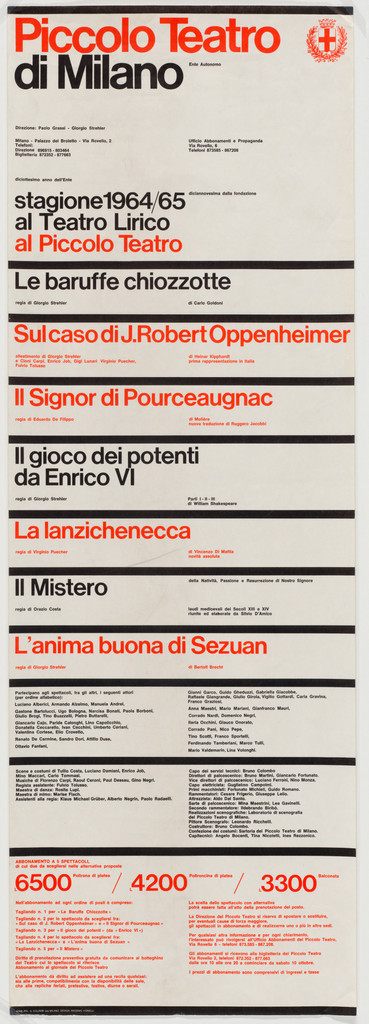
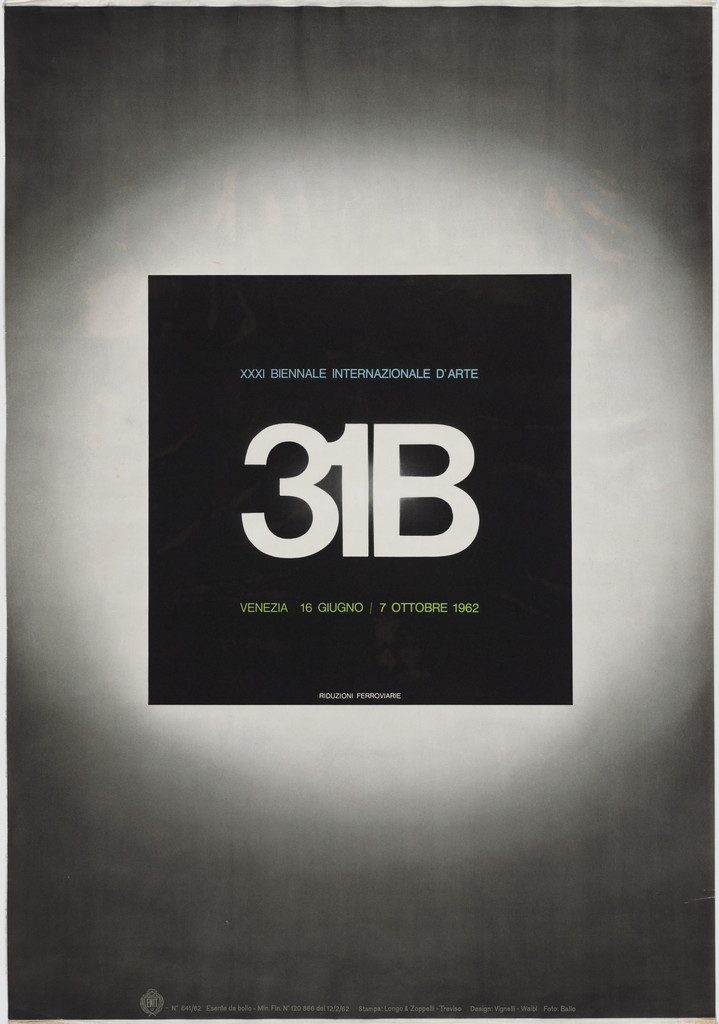
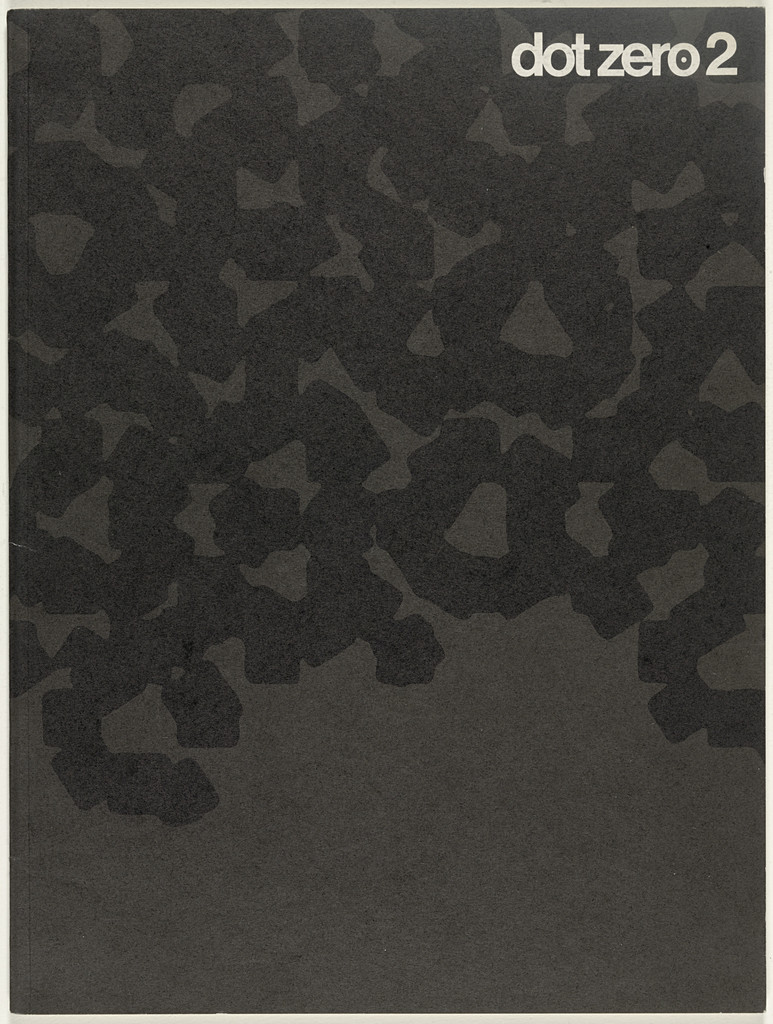


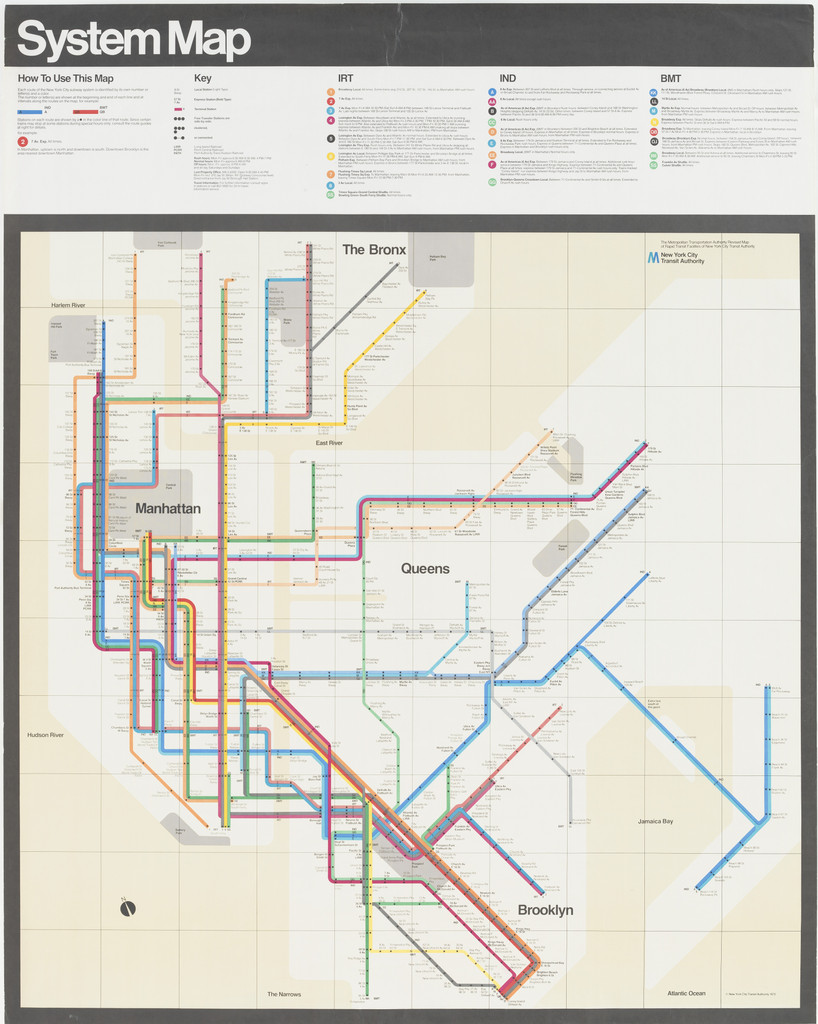

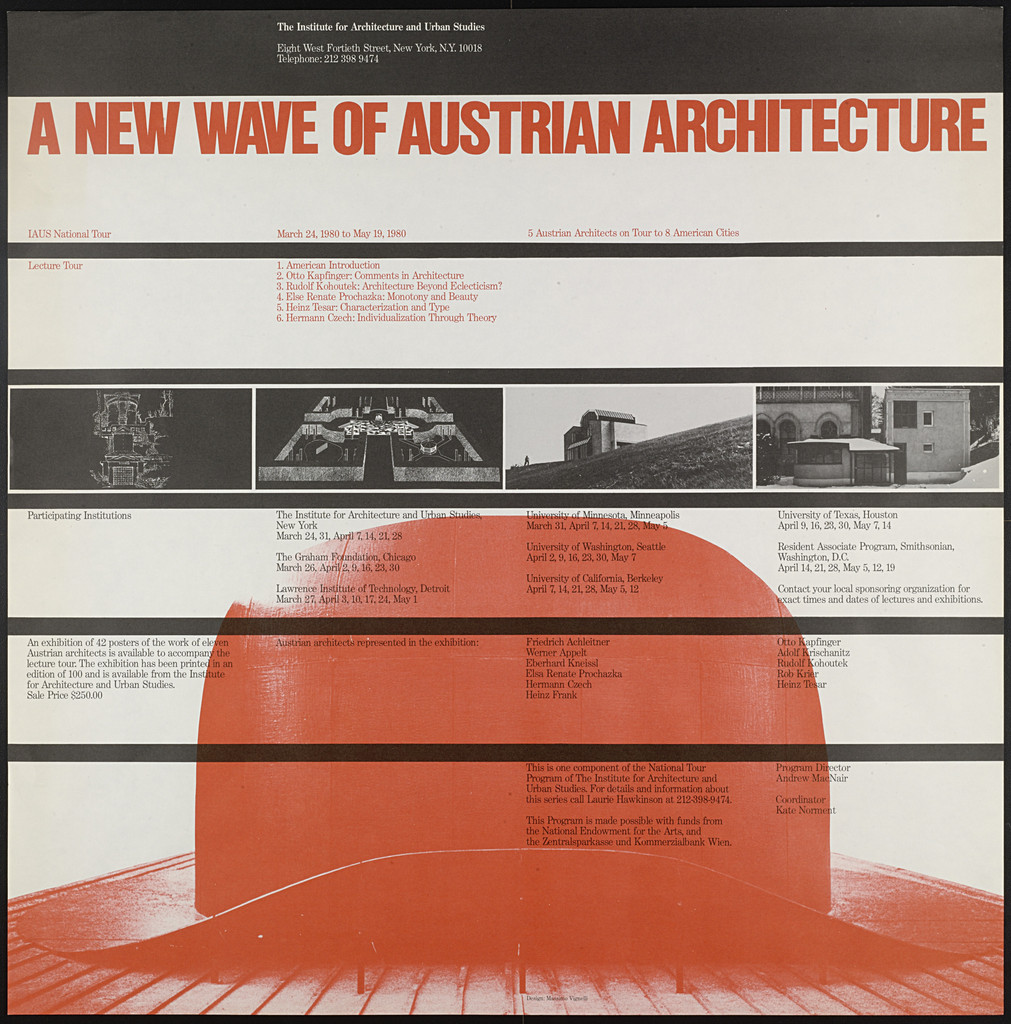
Massimo Vignelli
1931–2014
system as a service to the reader — one typeface, grid, manual, word instead of mark

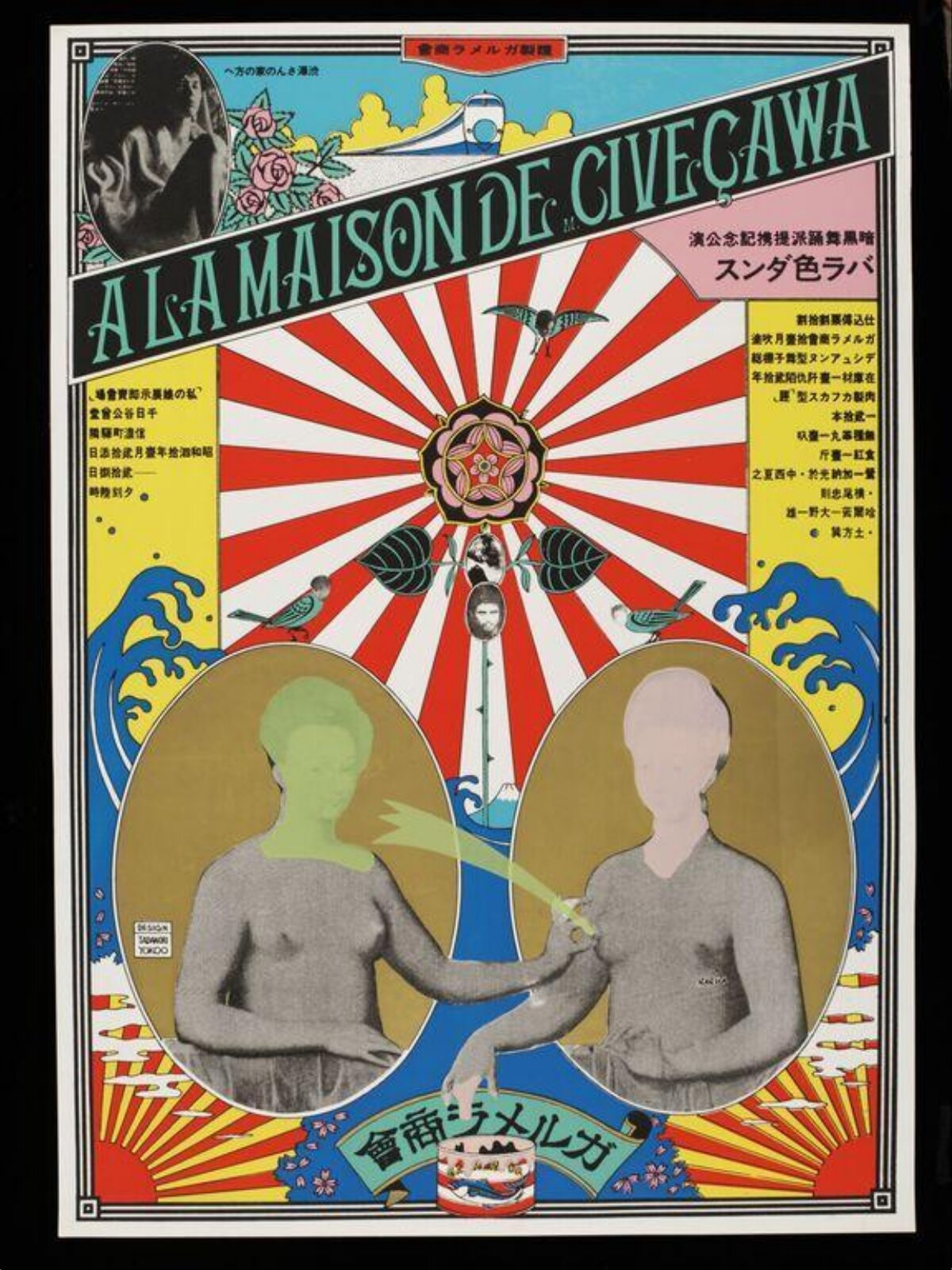
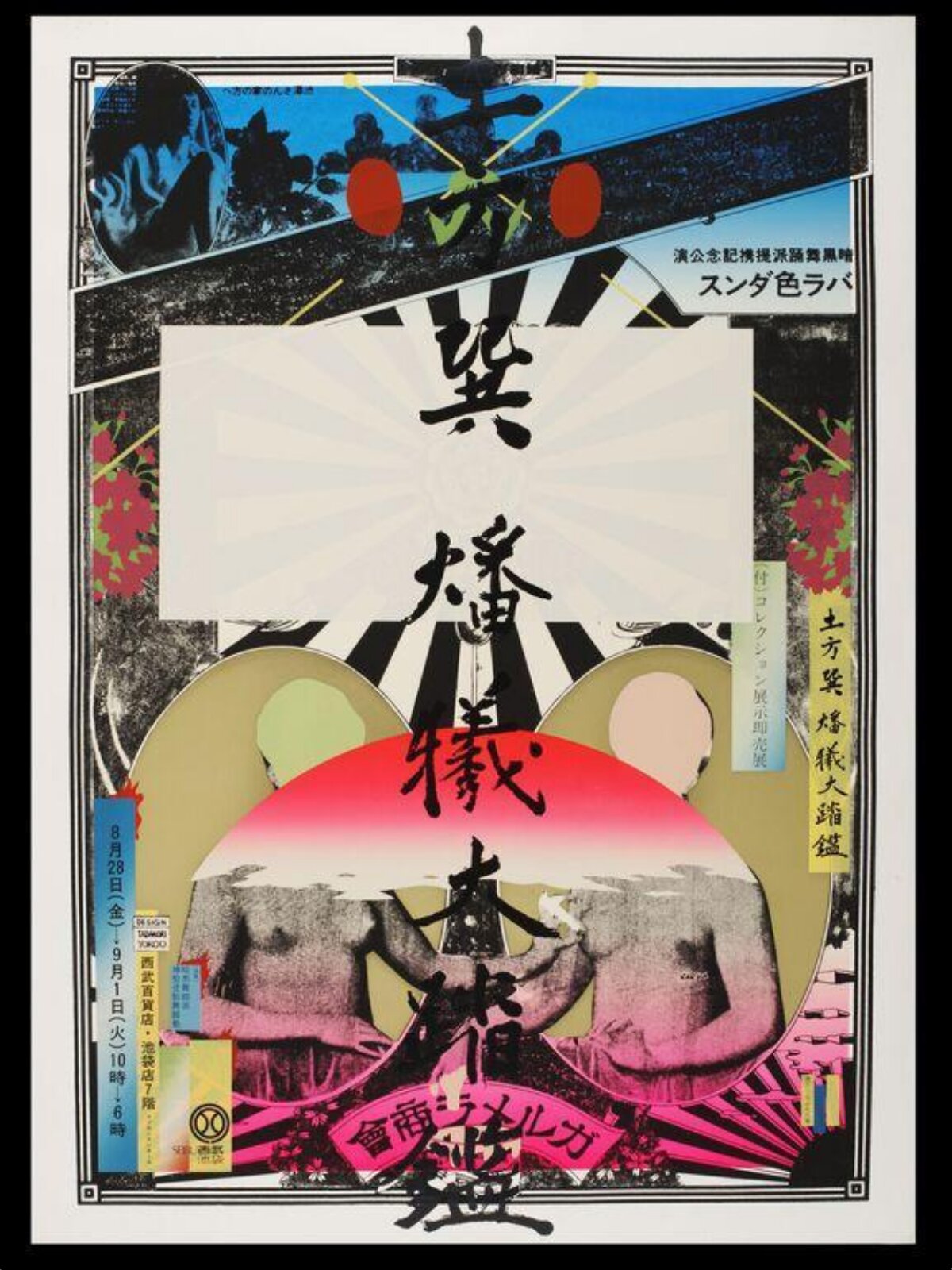
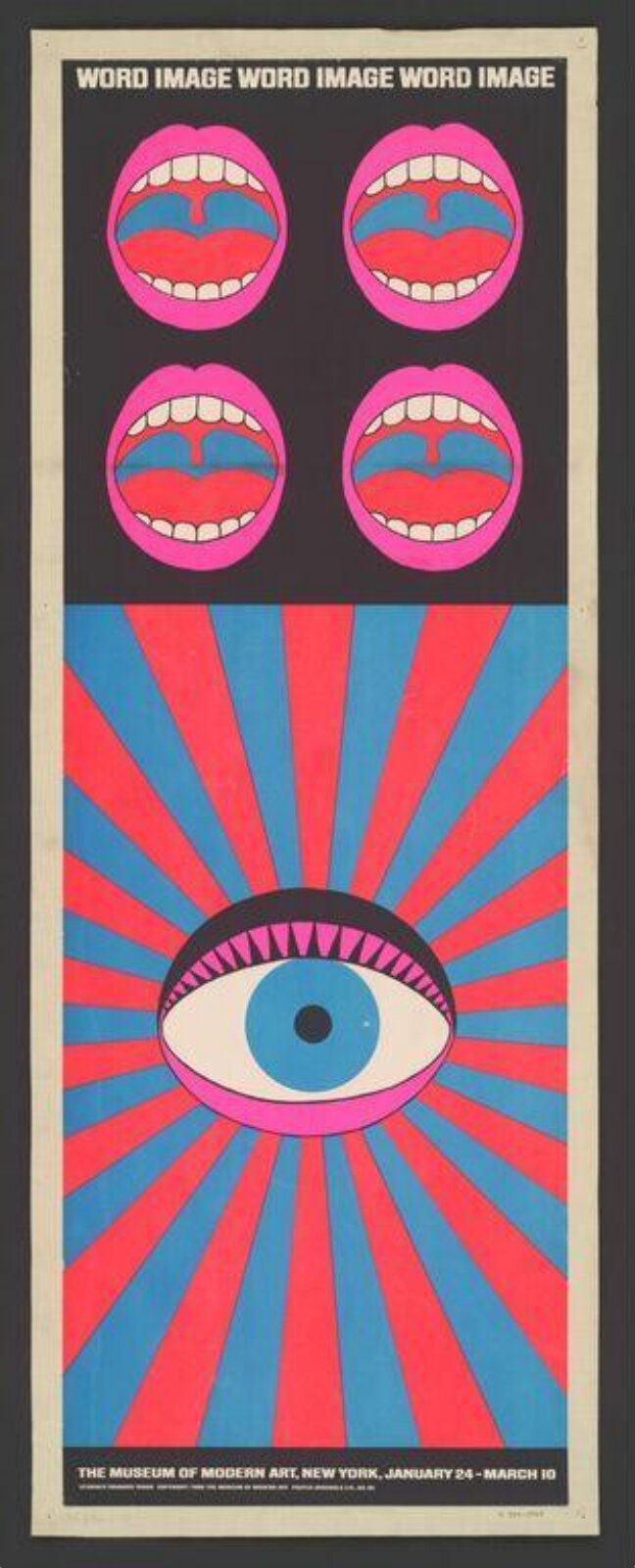


Tadanori Yokoo
1936–
Psychedelic collage, Japanese pop, clash of registers without hierarchy
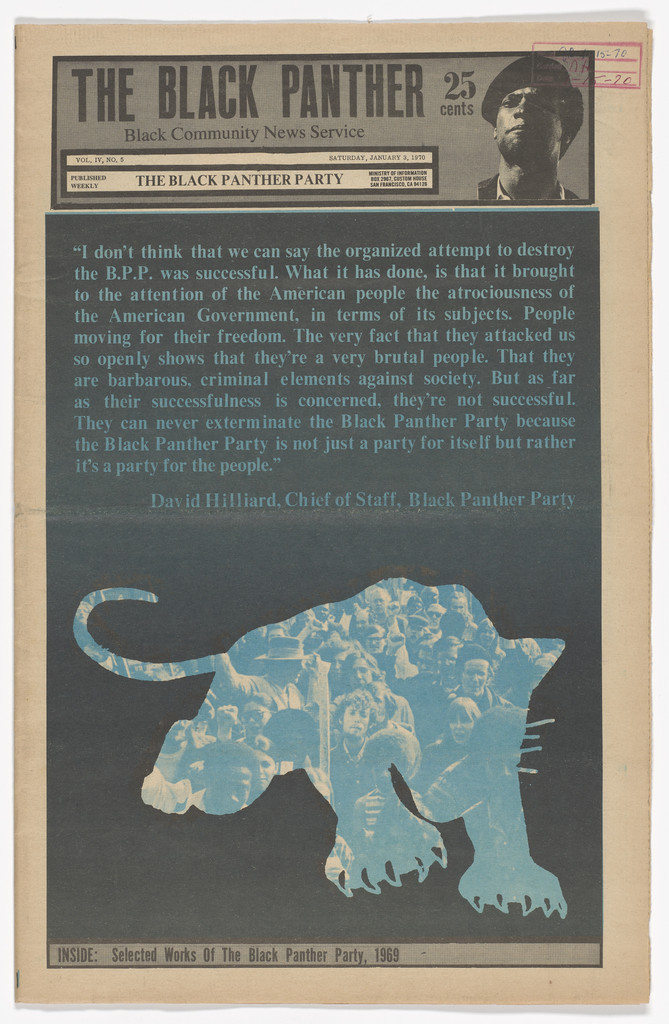
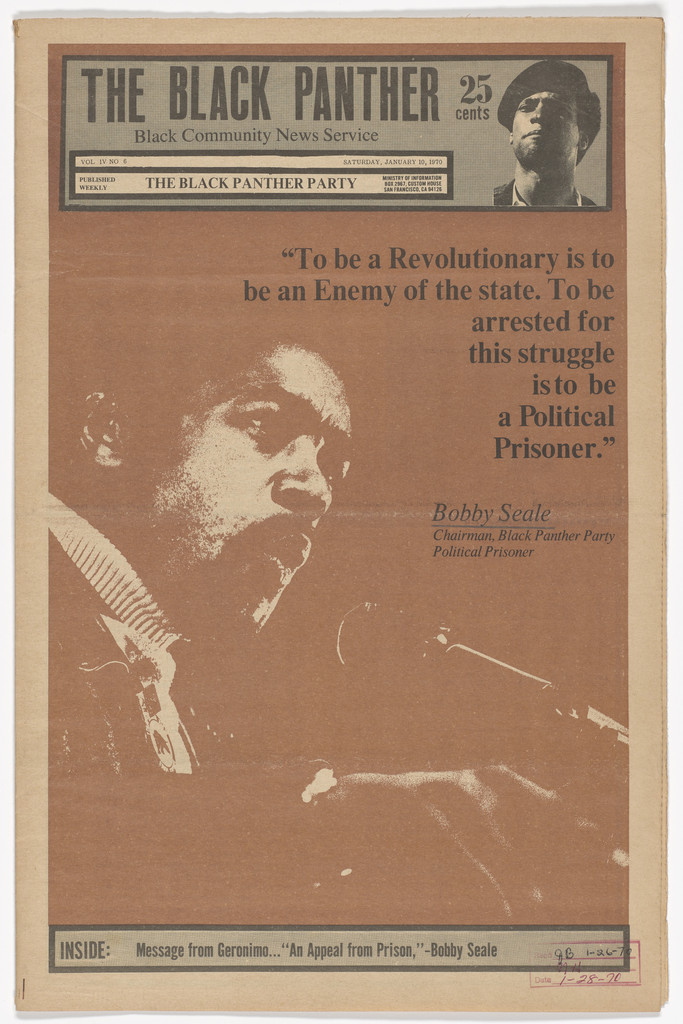
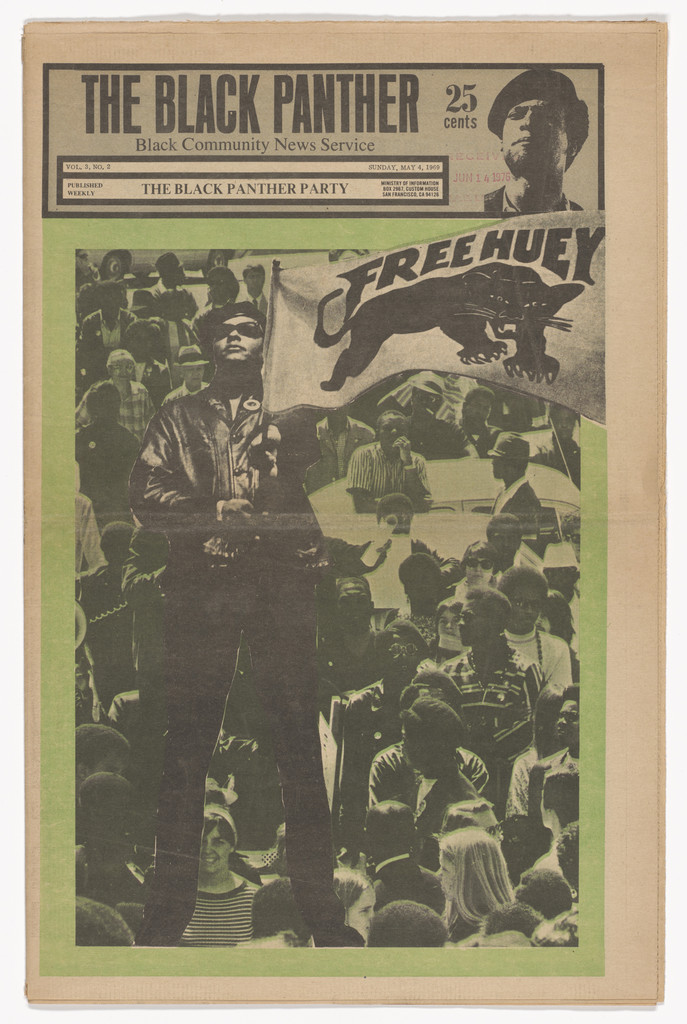
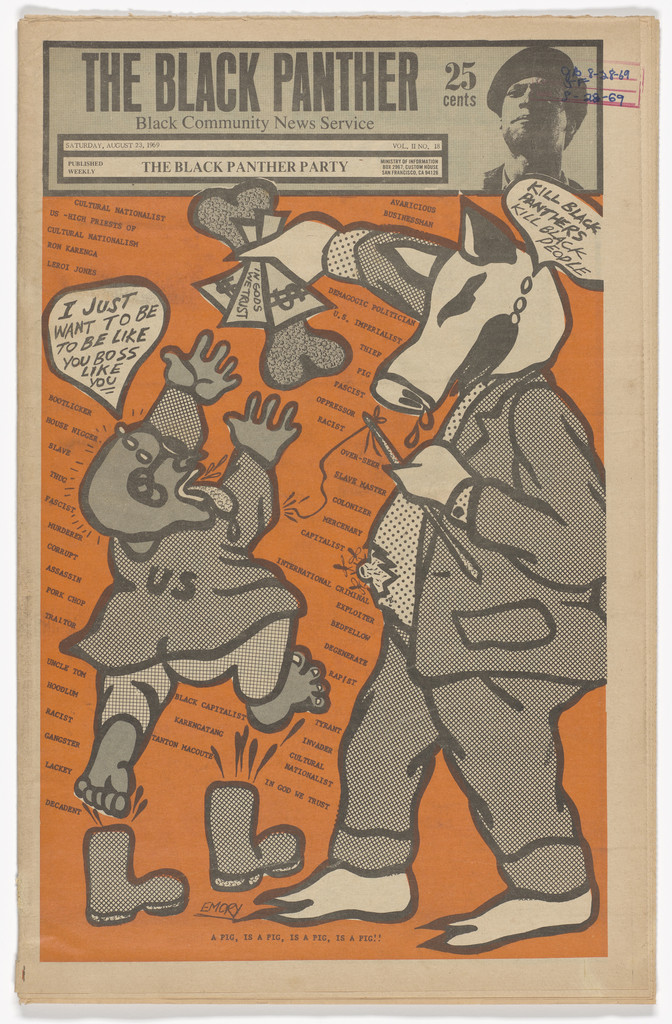
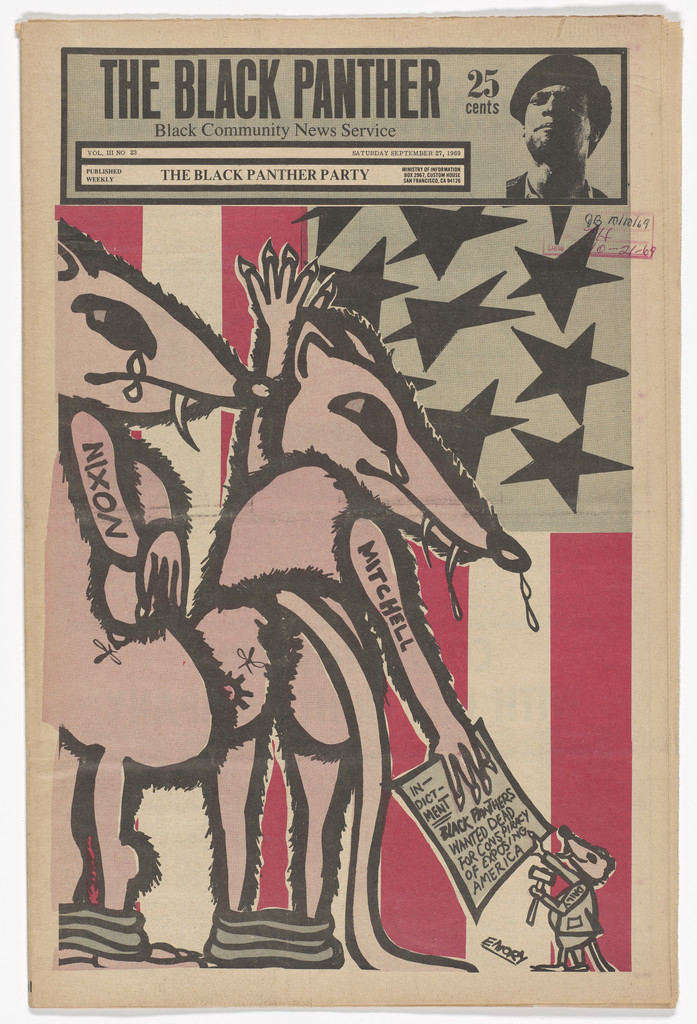


Emory Douglas
1943–
movement graphics — the newspaper as poster, drawing that imitates woodcut, photomontage
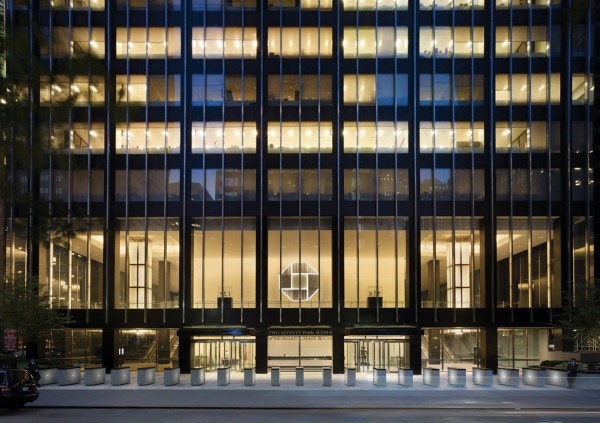
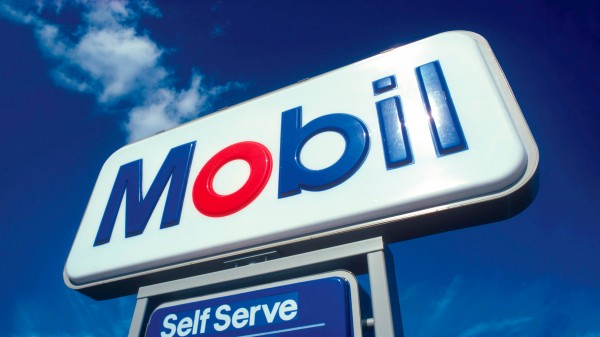
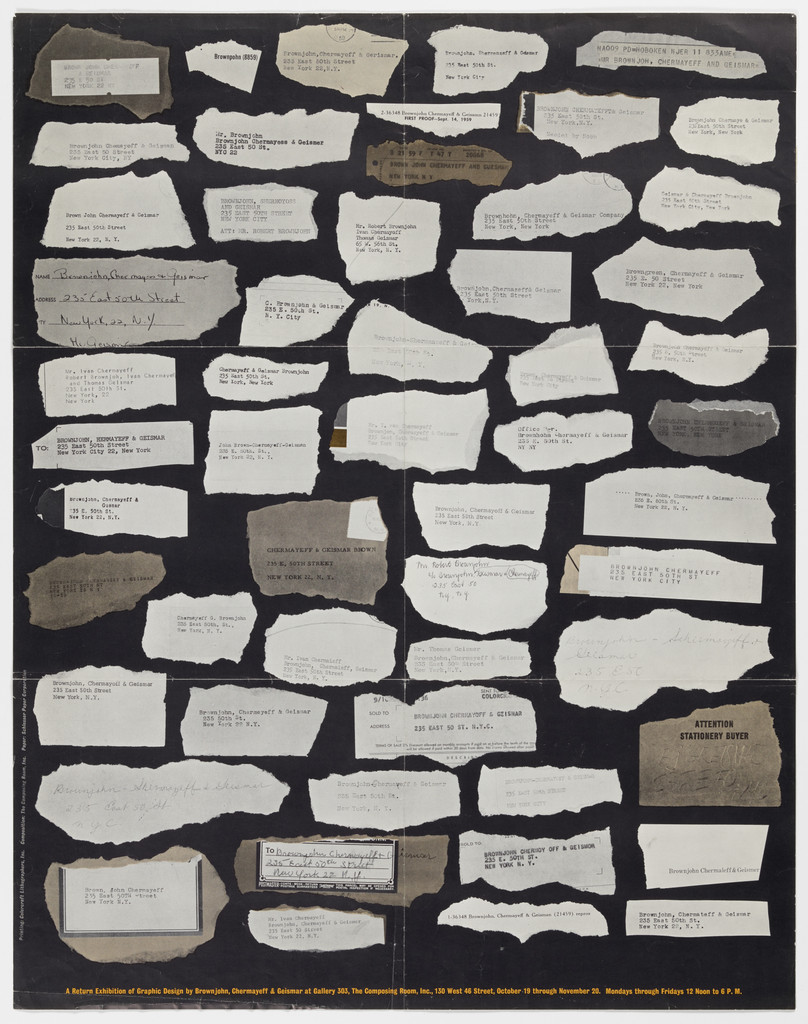
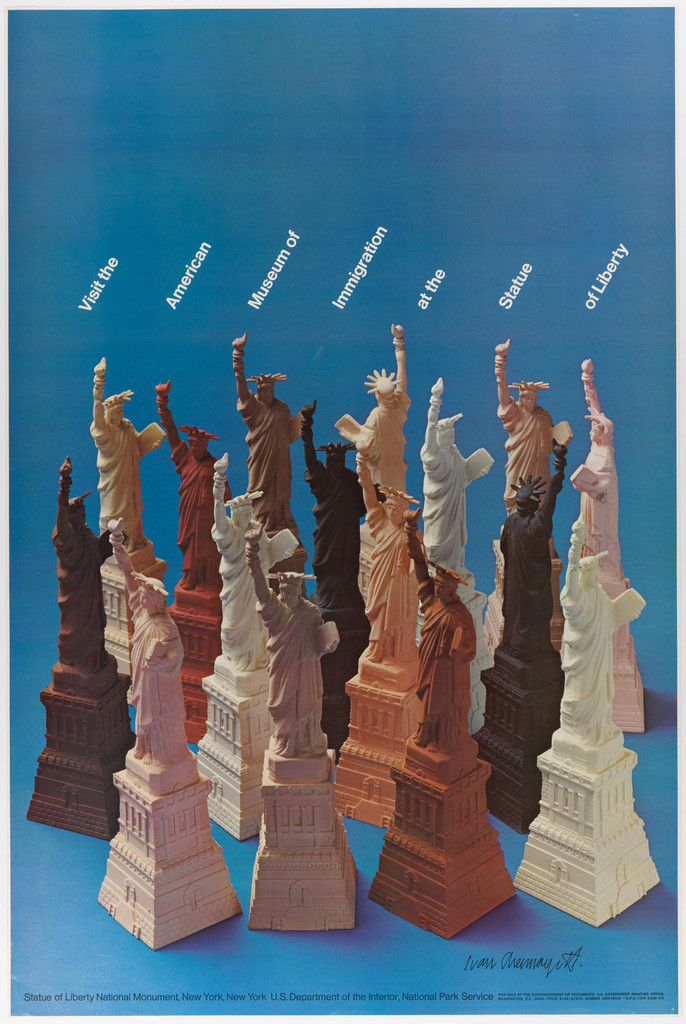
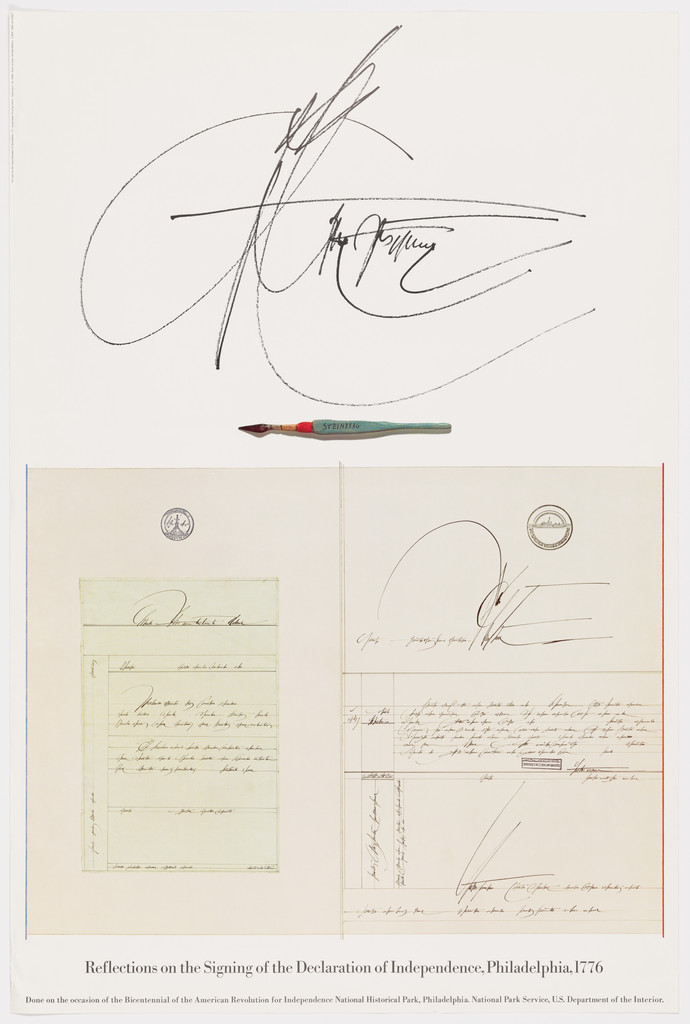
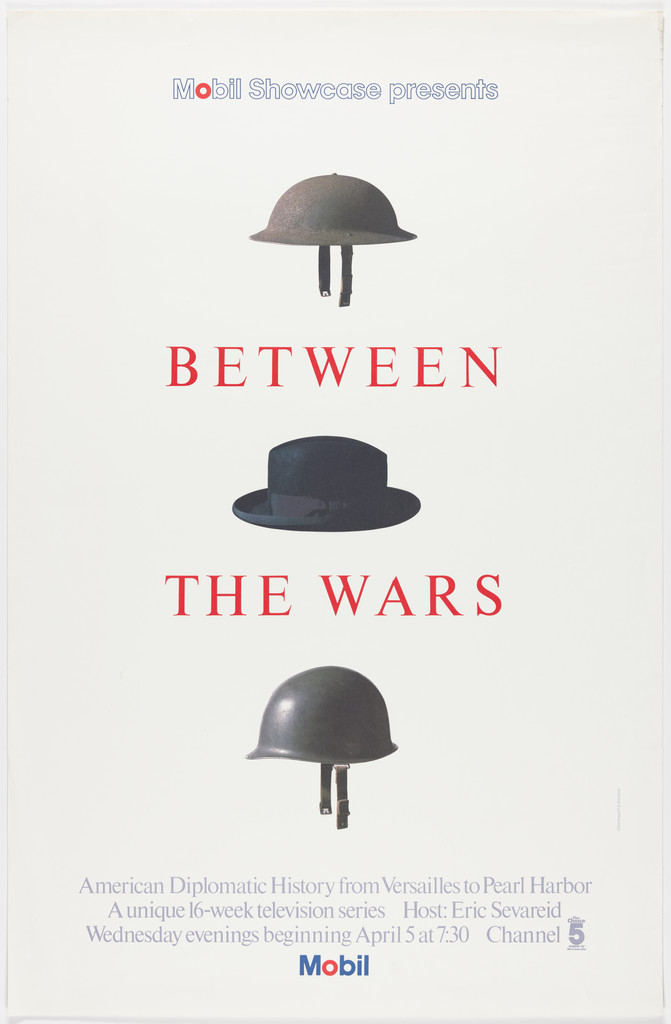
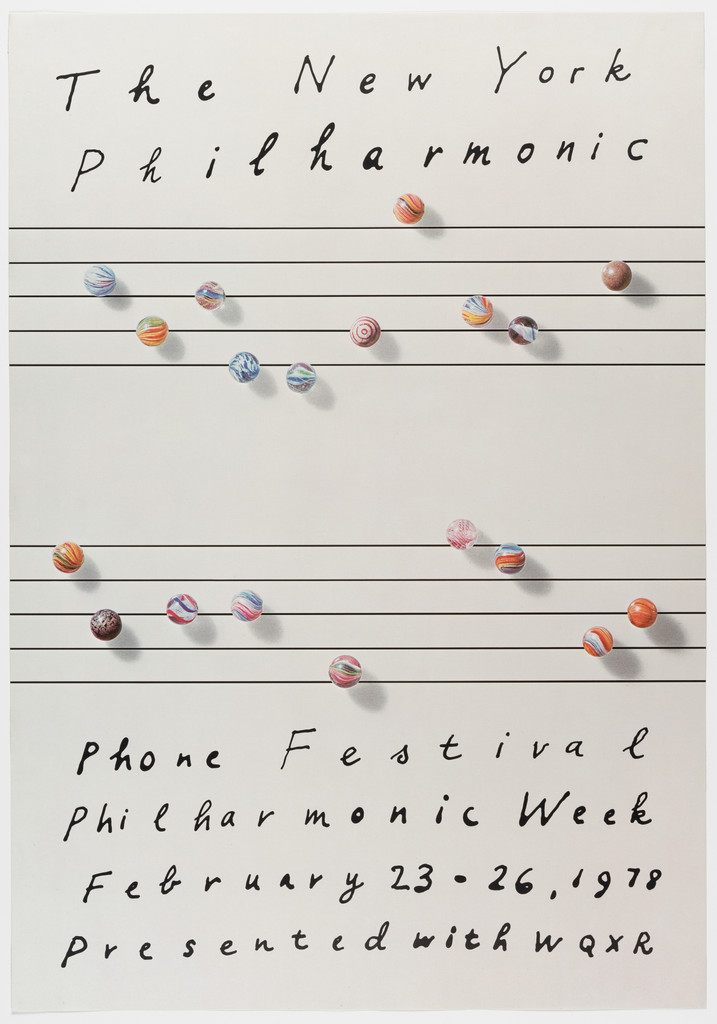
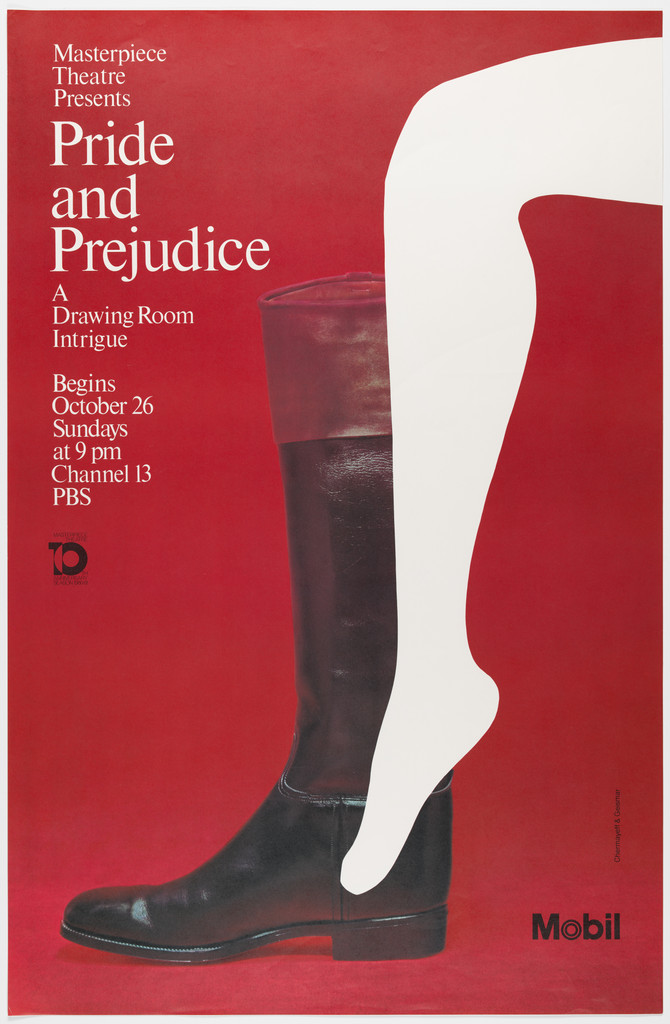
Chermayeff & Geismar (Ivan Chermayeff, Tom Geismar)
Chermayeff 1932–2017 · Geismar 1931– · studio od 1957
Abstract corporate mark and identity as programme; poster as a single found object
1975
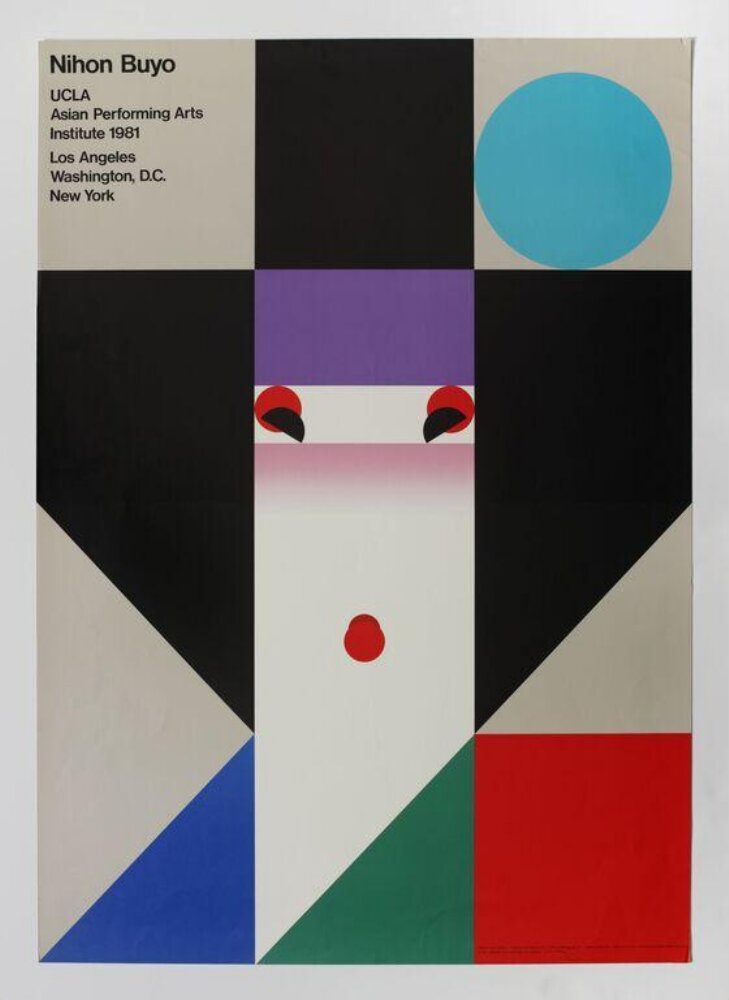
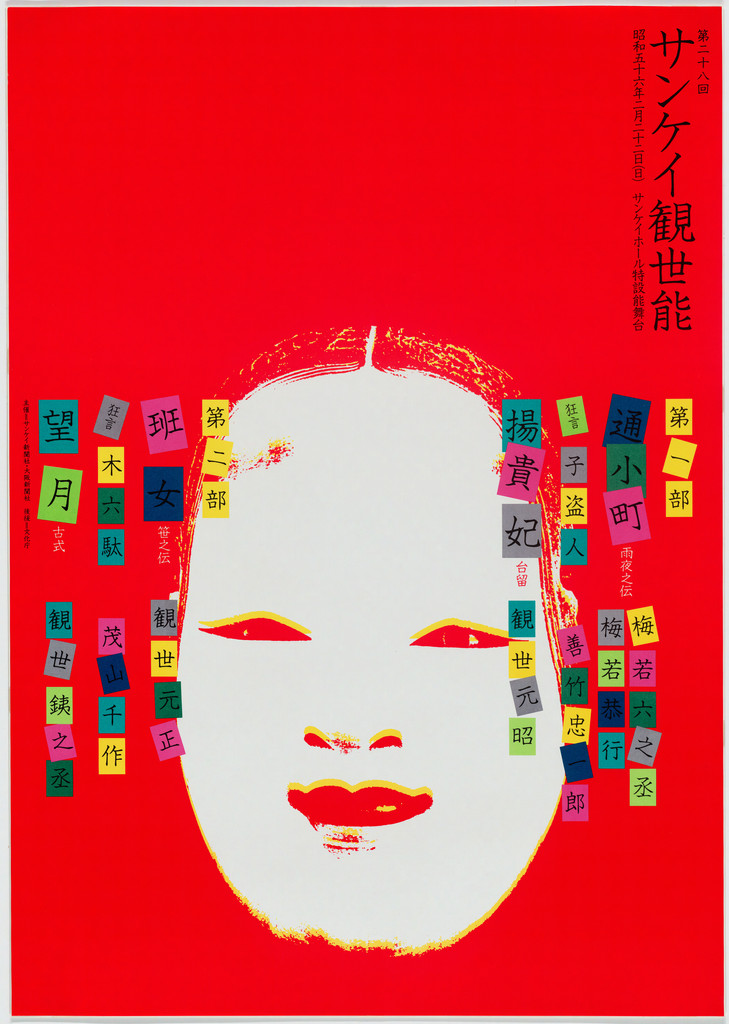

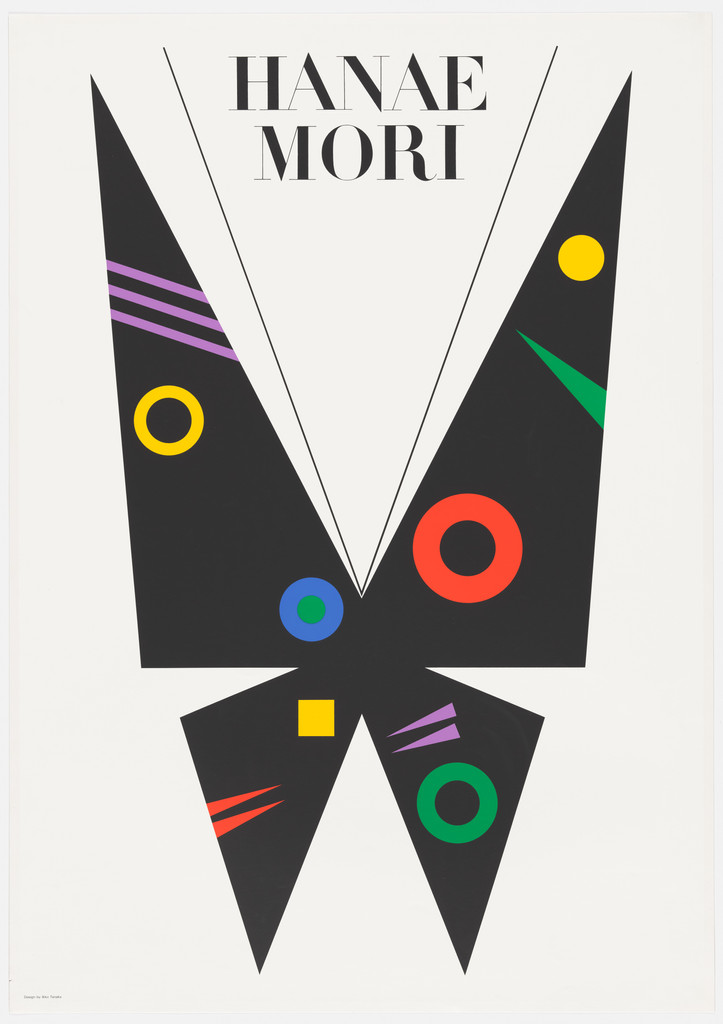

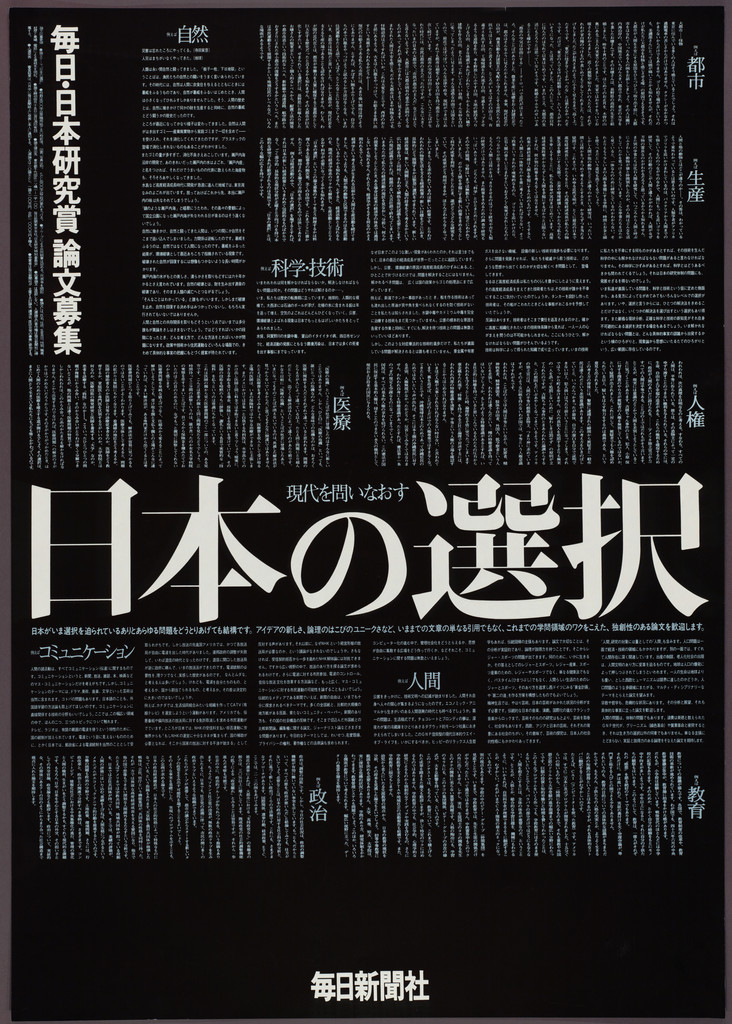
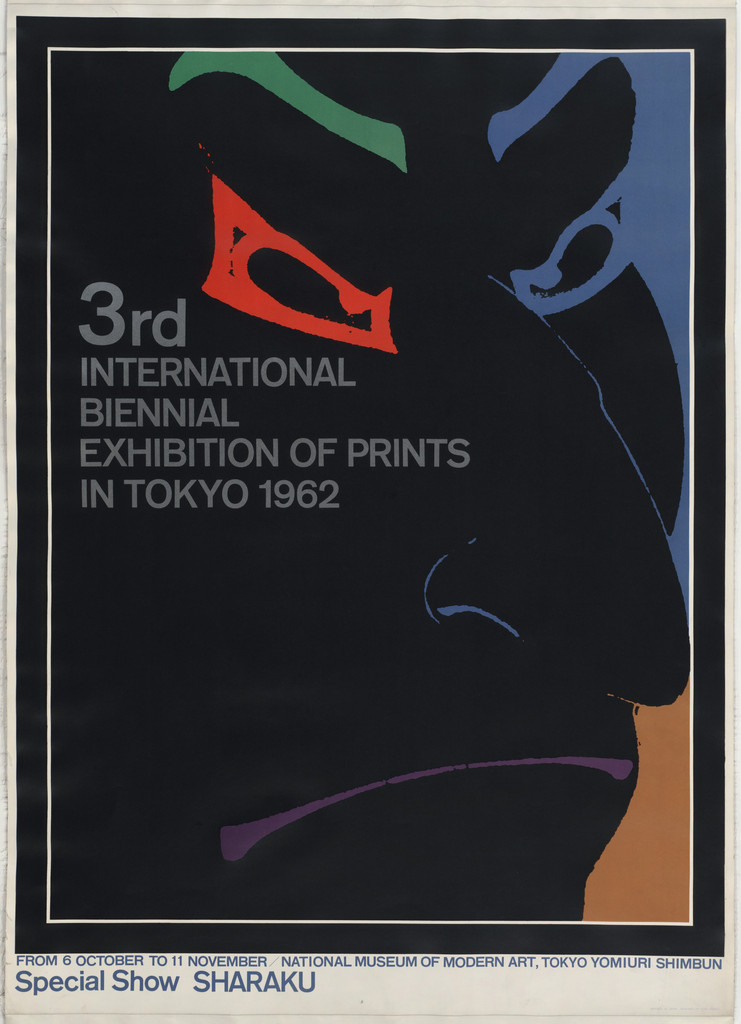

Ikko Tanaka (田中一光)
1930–2002
Japanese tradition (Rinpa, ukiyo-e, Noh, Kabuki) translated into flat geometry and grid; face as sign; Muji — identity without identity


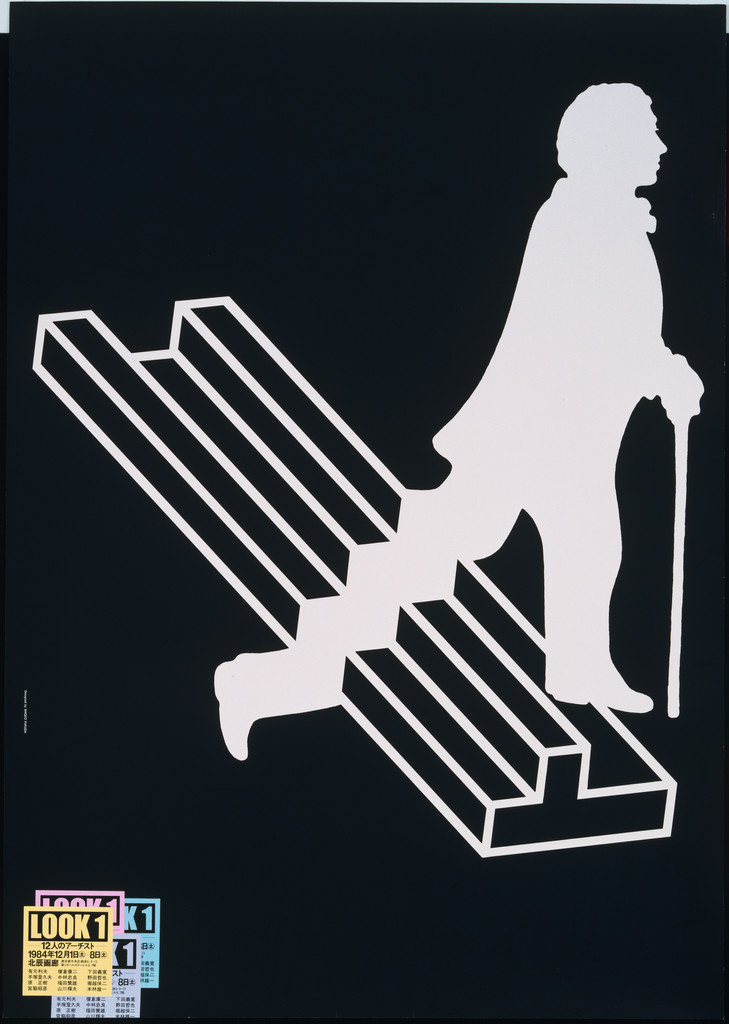
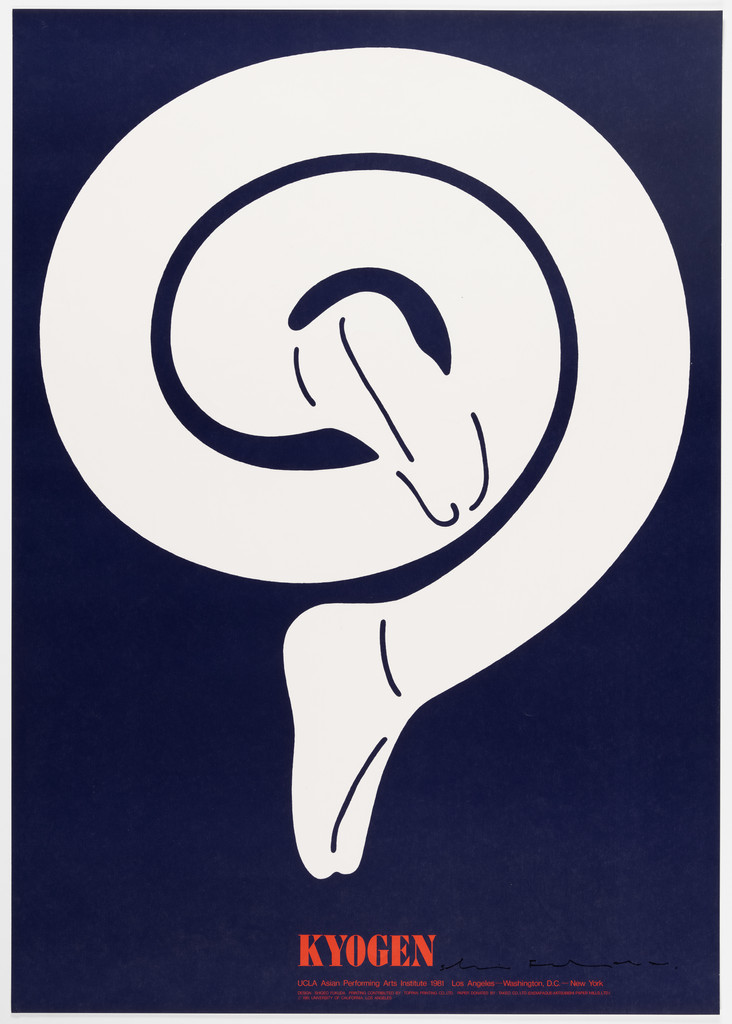
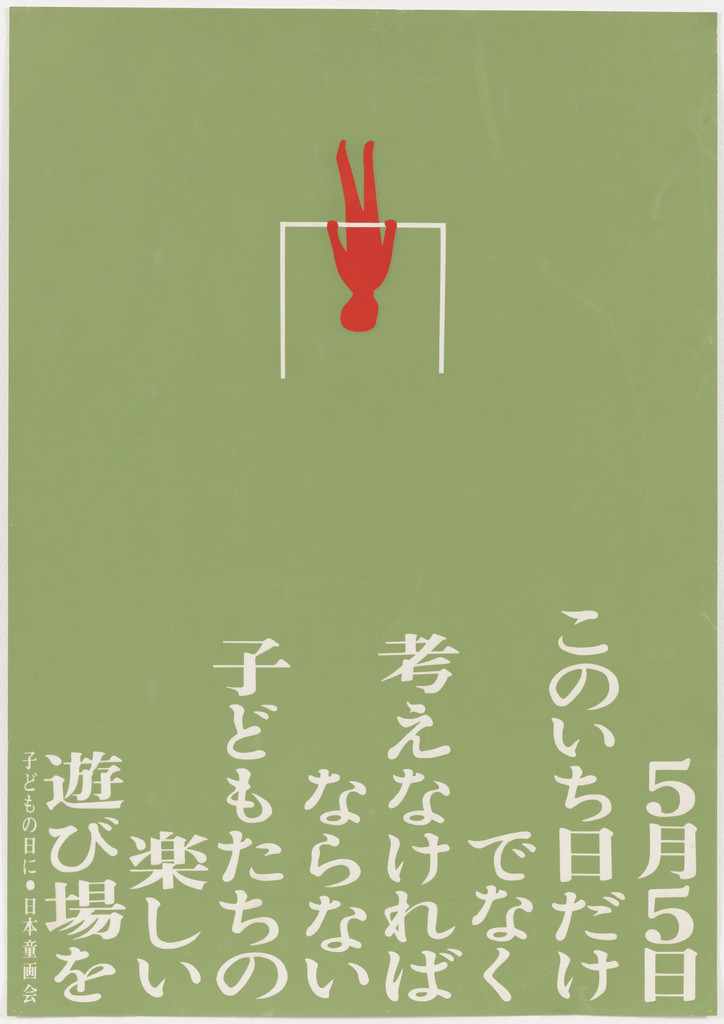

Shigeo Fukuda (福田繁雄)
1932–2009
visual paradox — figure/ground, impossible object, object turned against its own function; one image, one word, flat black
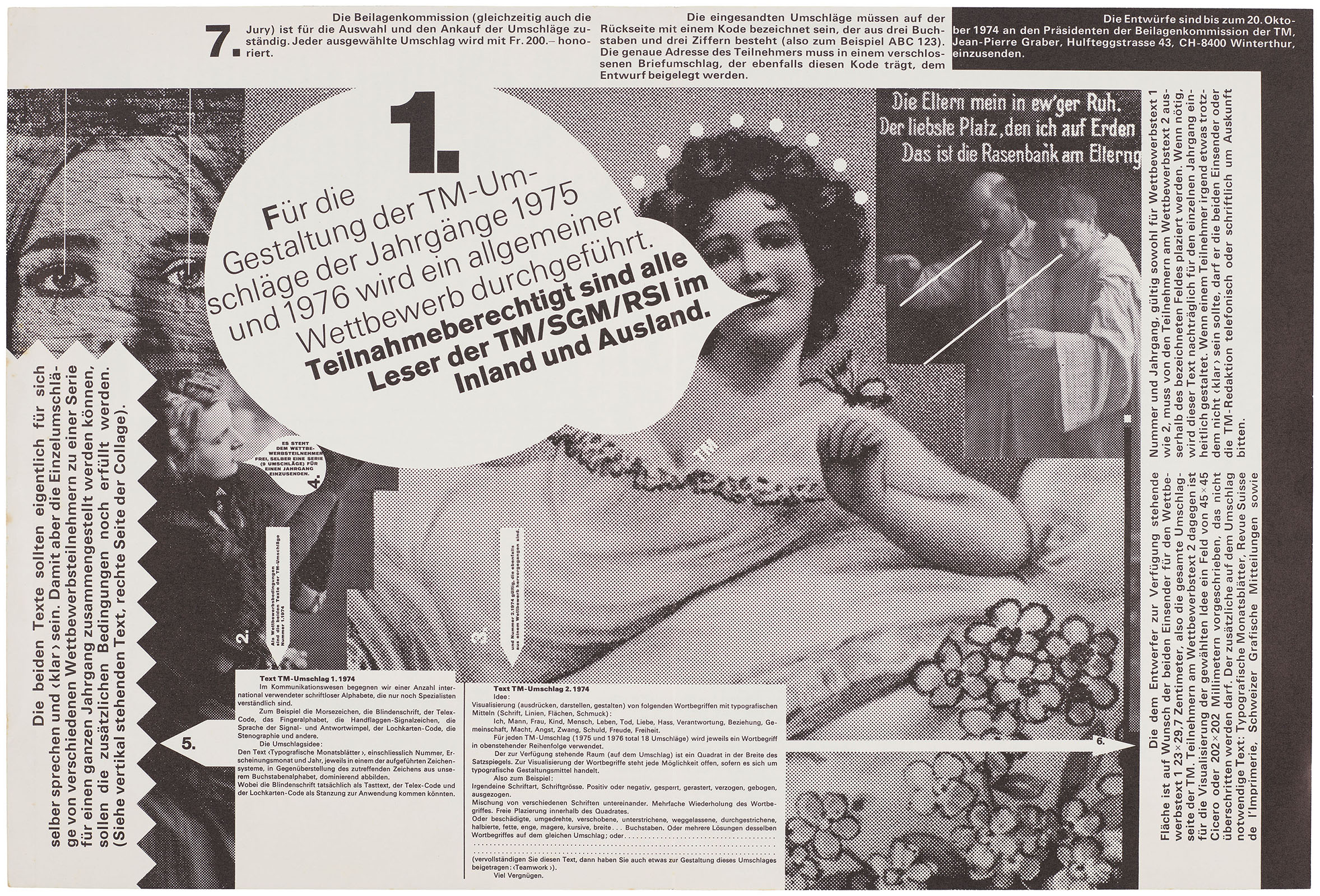
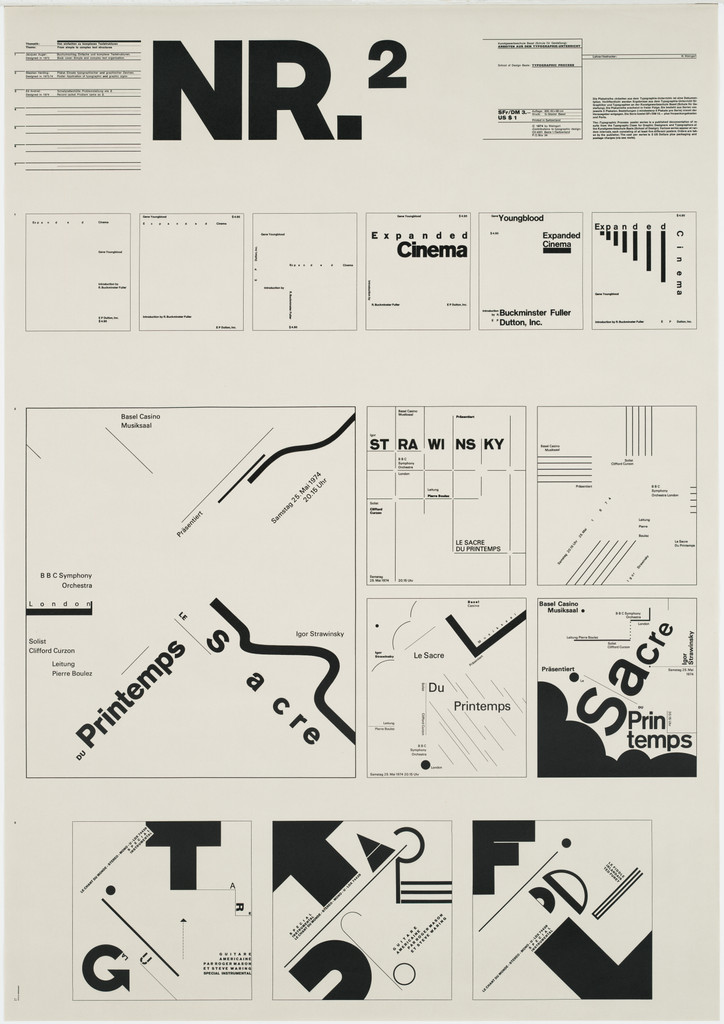
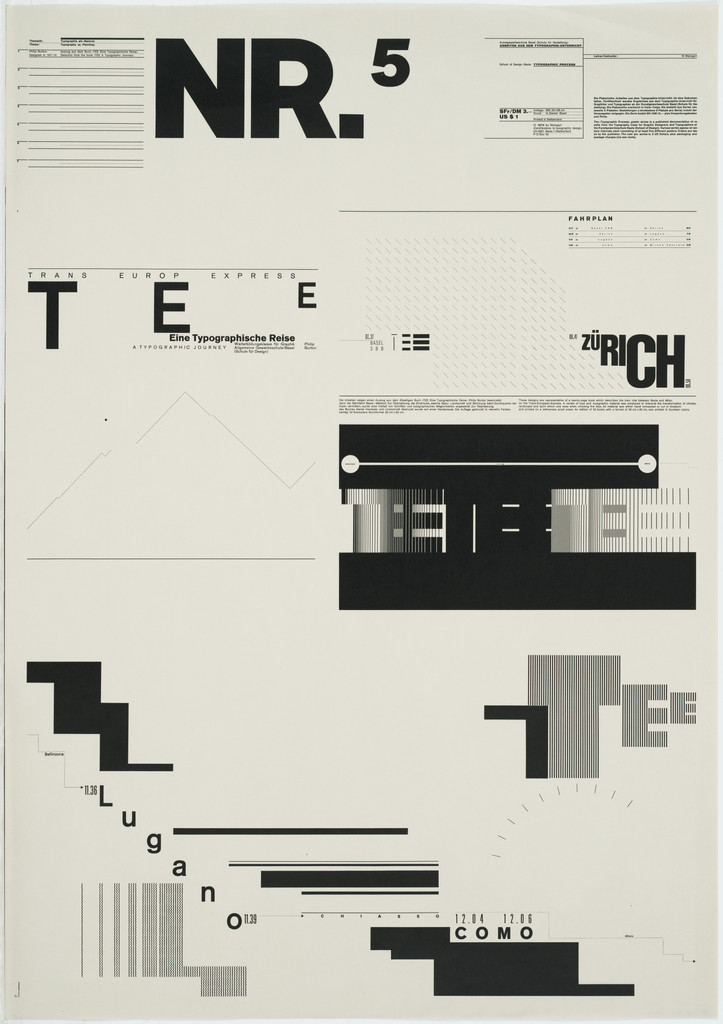
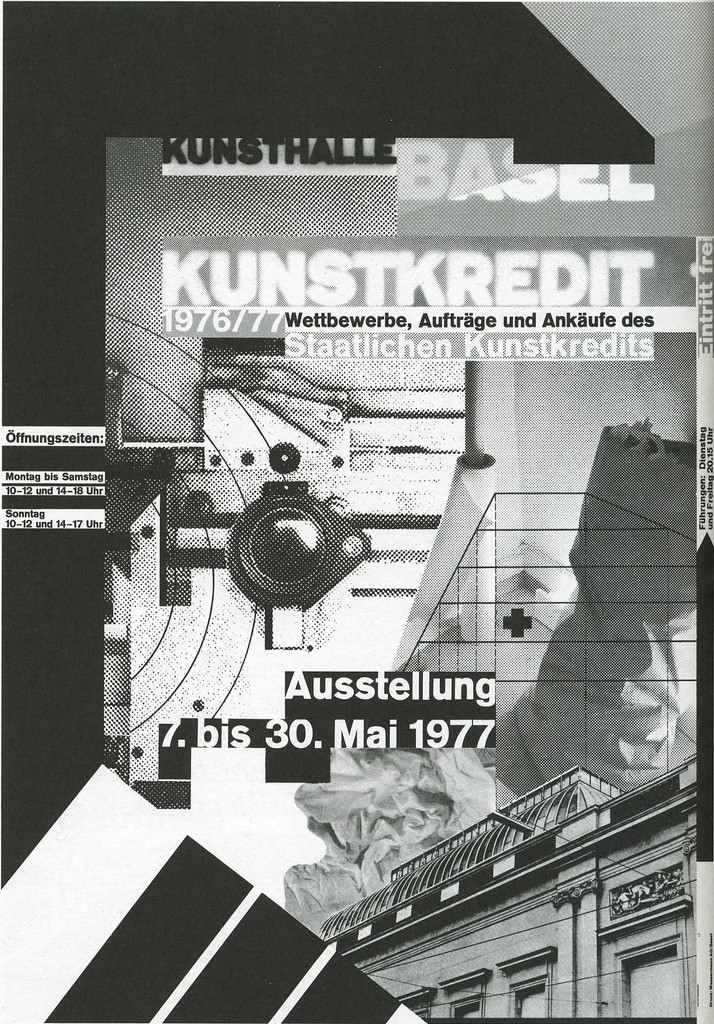
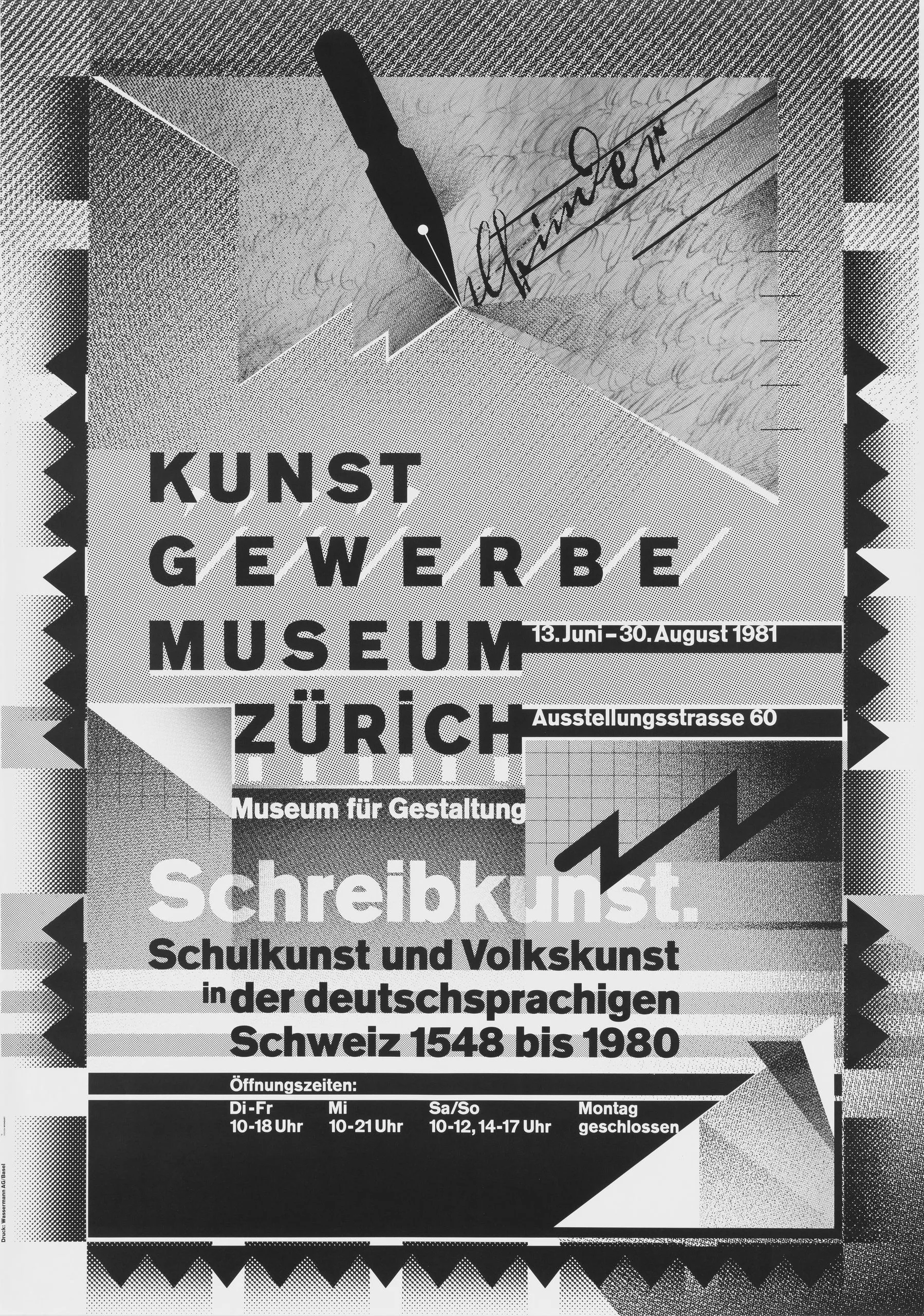
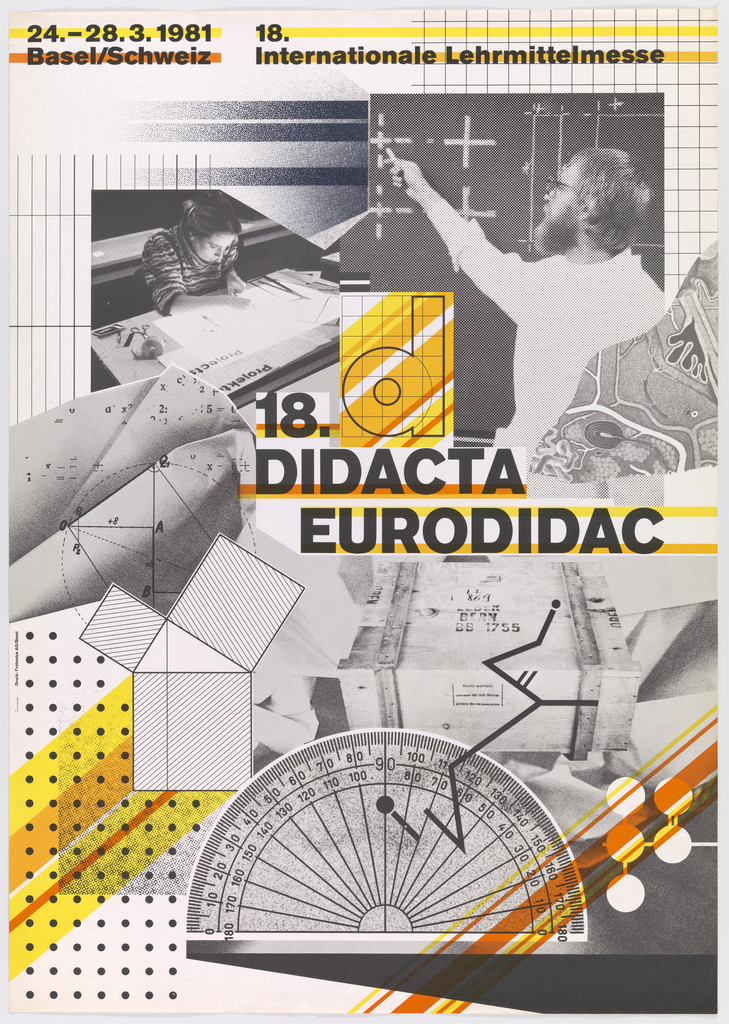
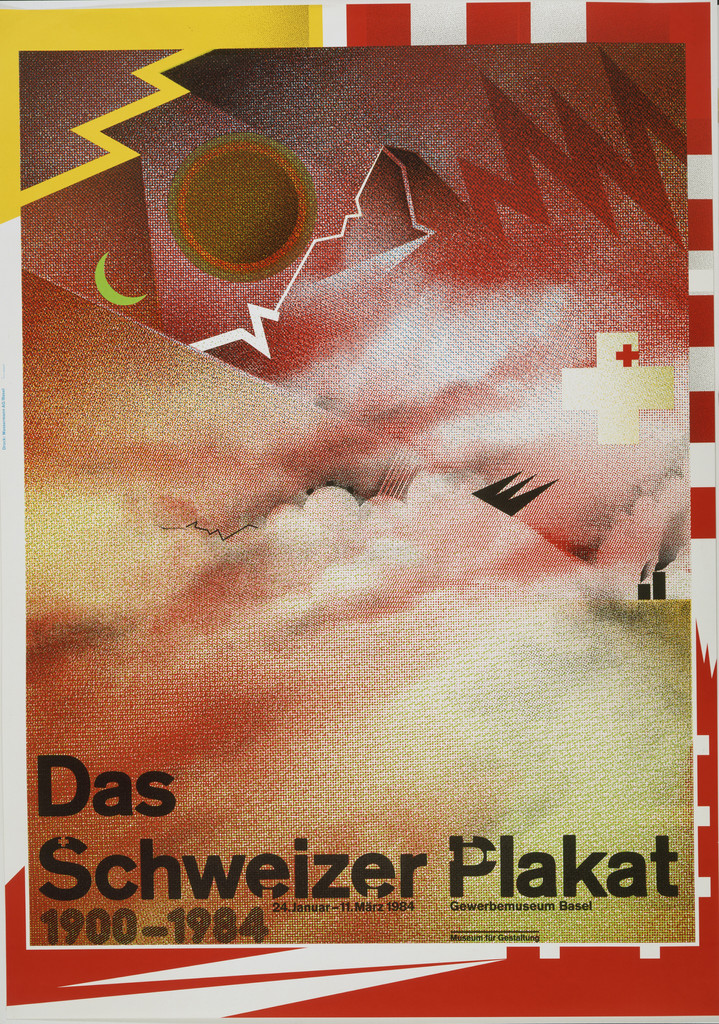
Wolfgang Weingart
1941–2021
„New Wave" typography — the Swiss system dismantled from within, with Swiss discipline
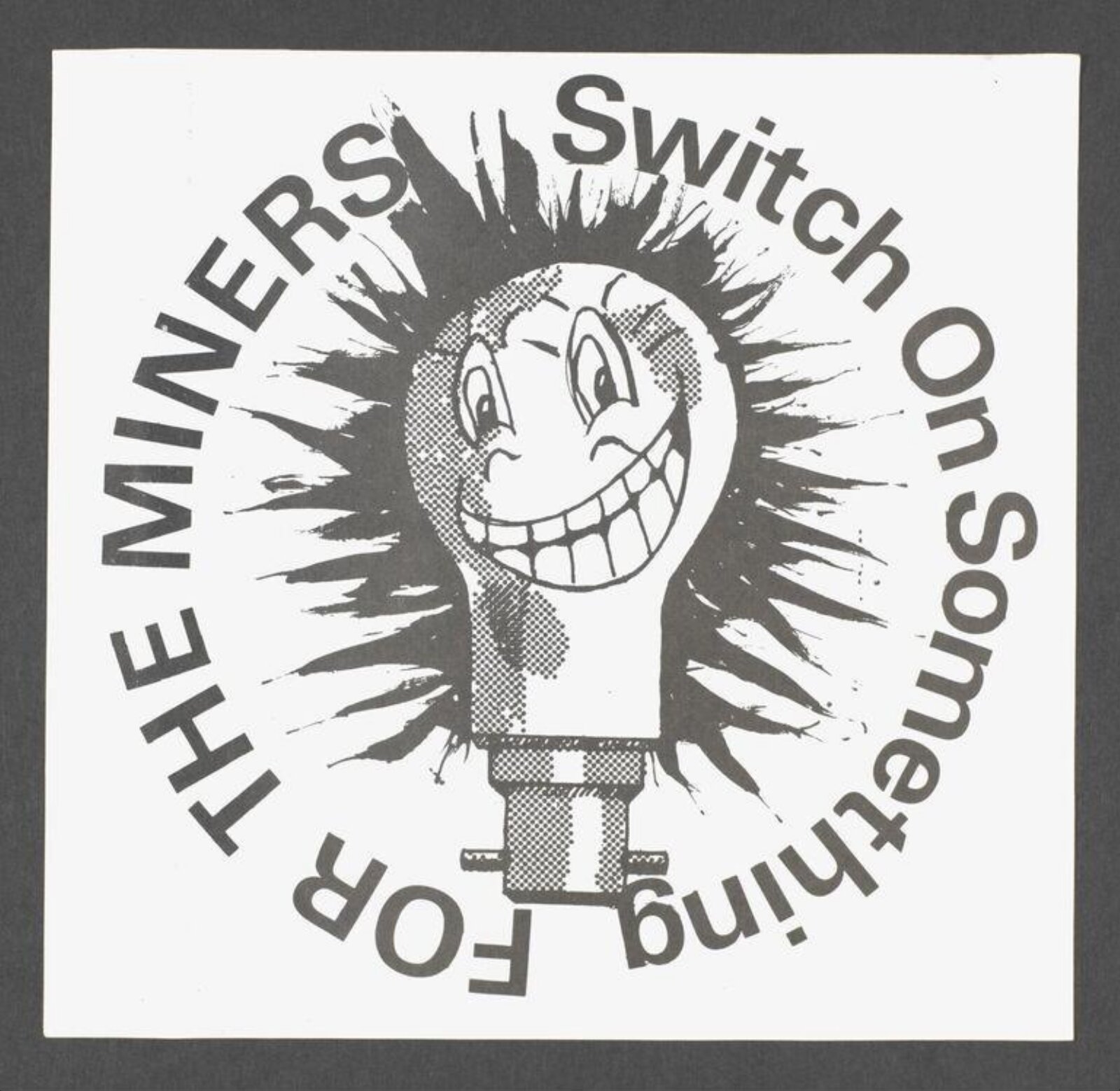
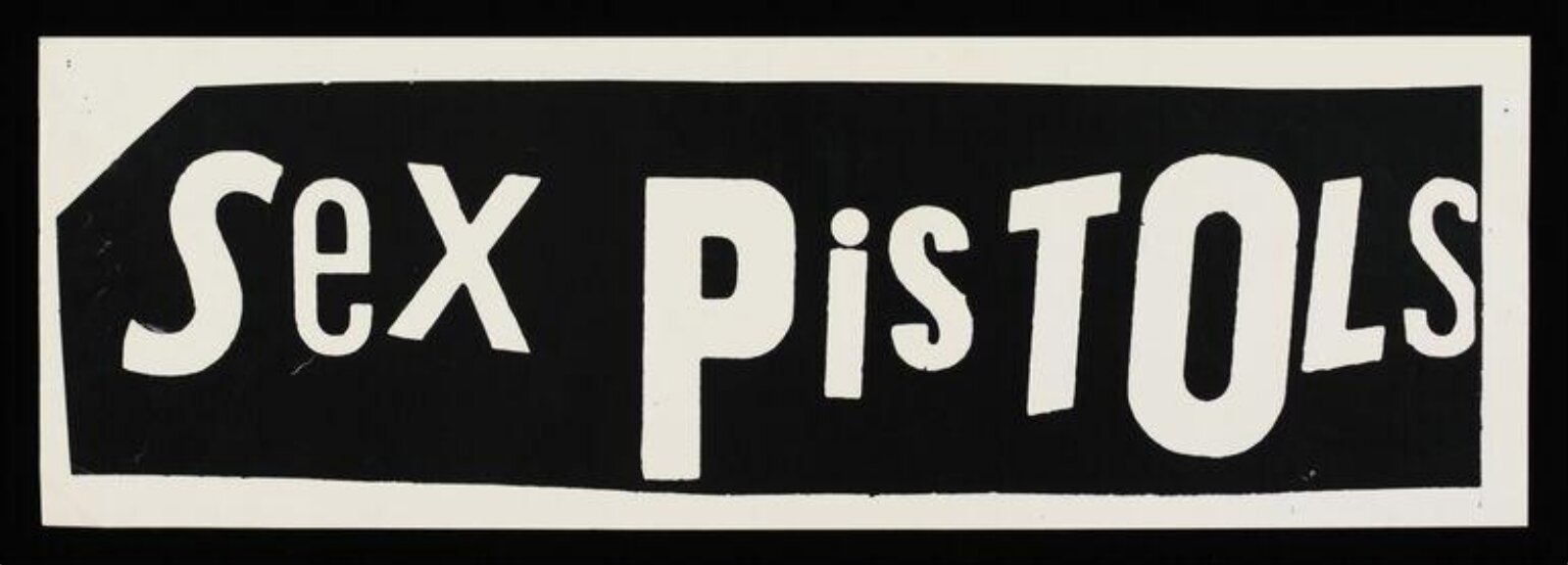
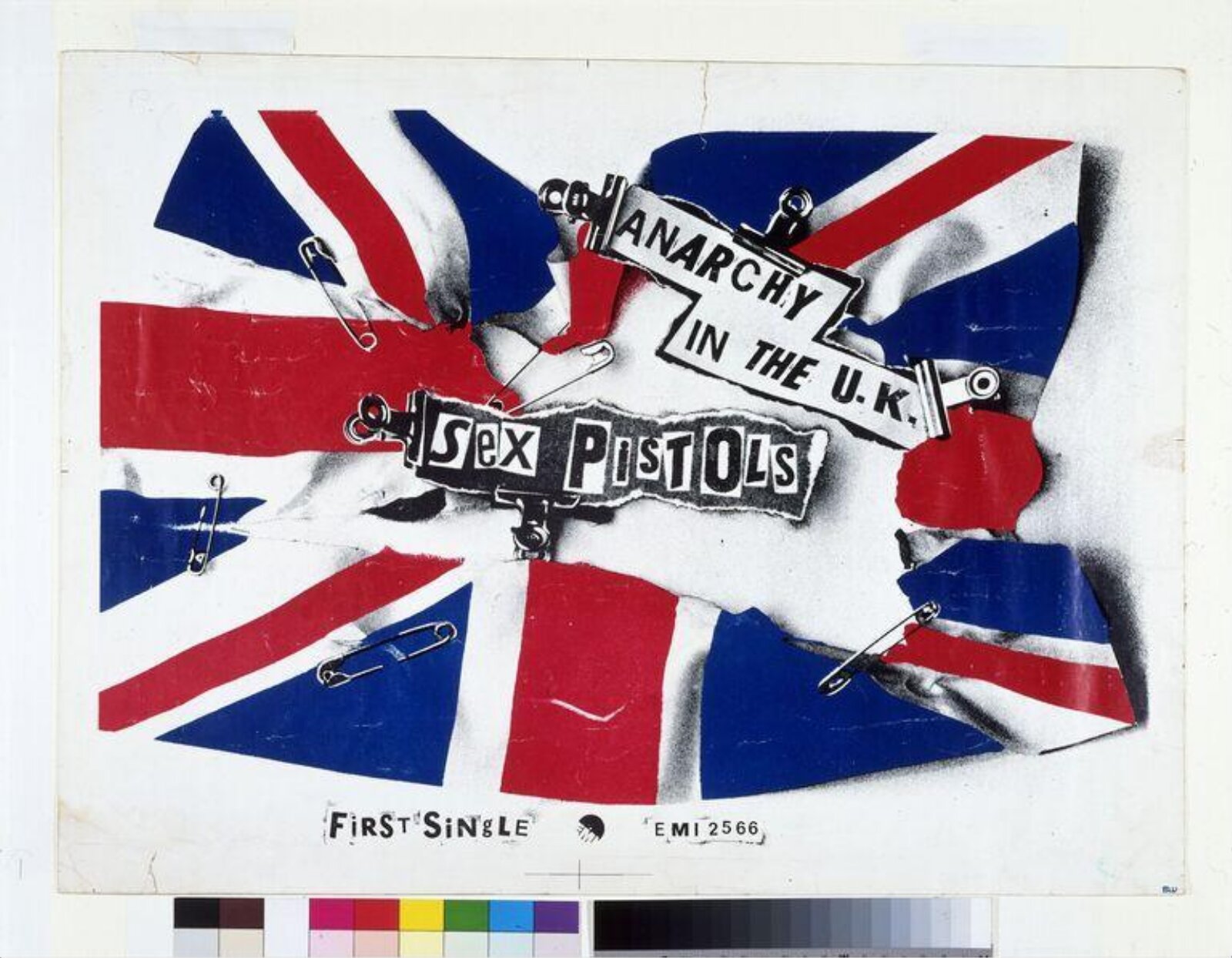
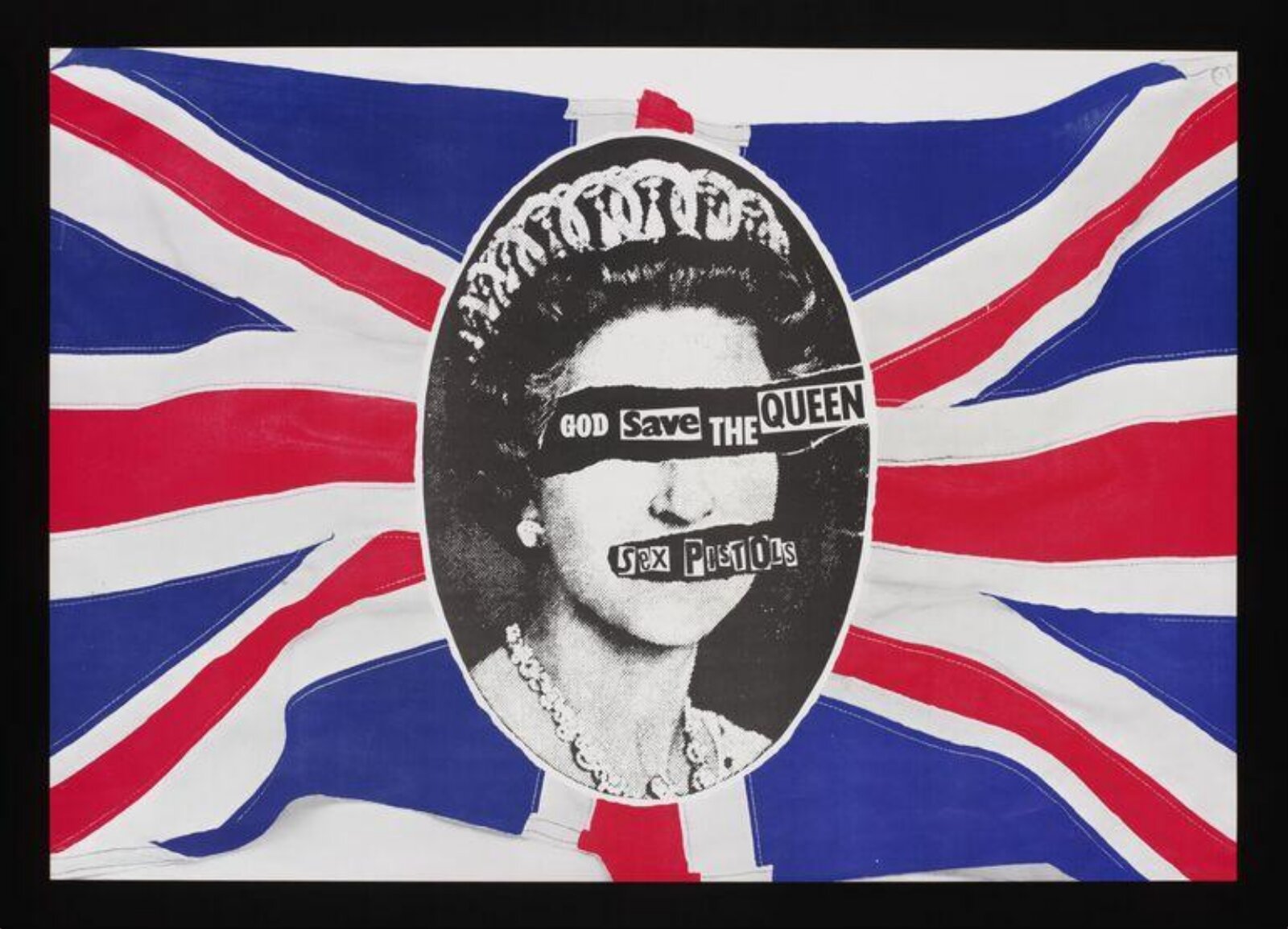
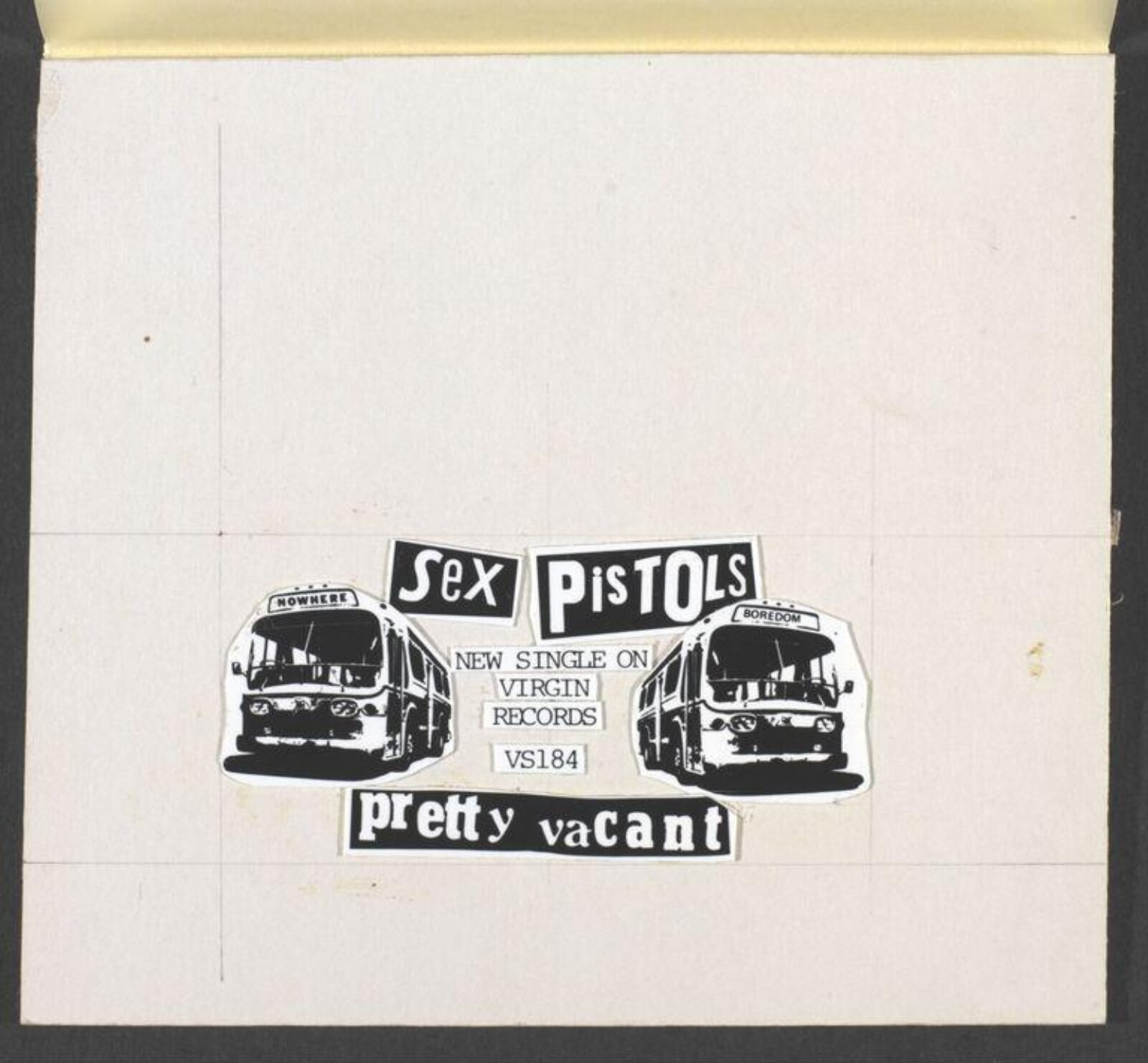
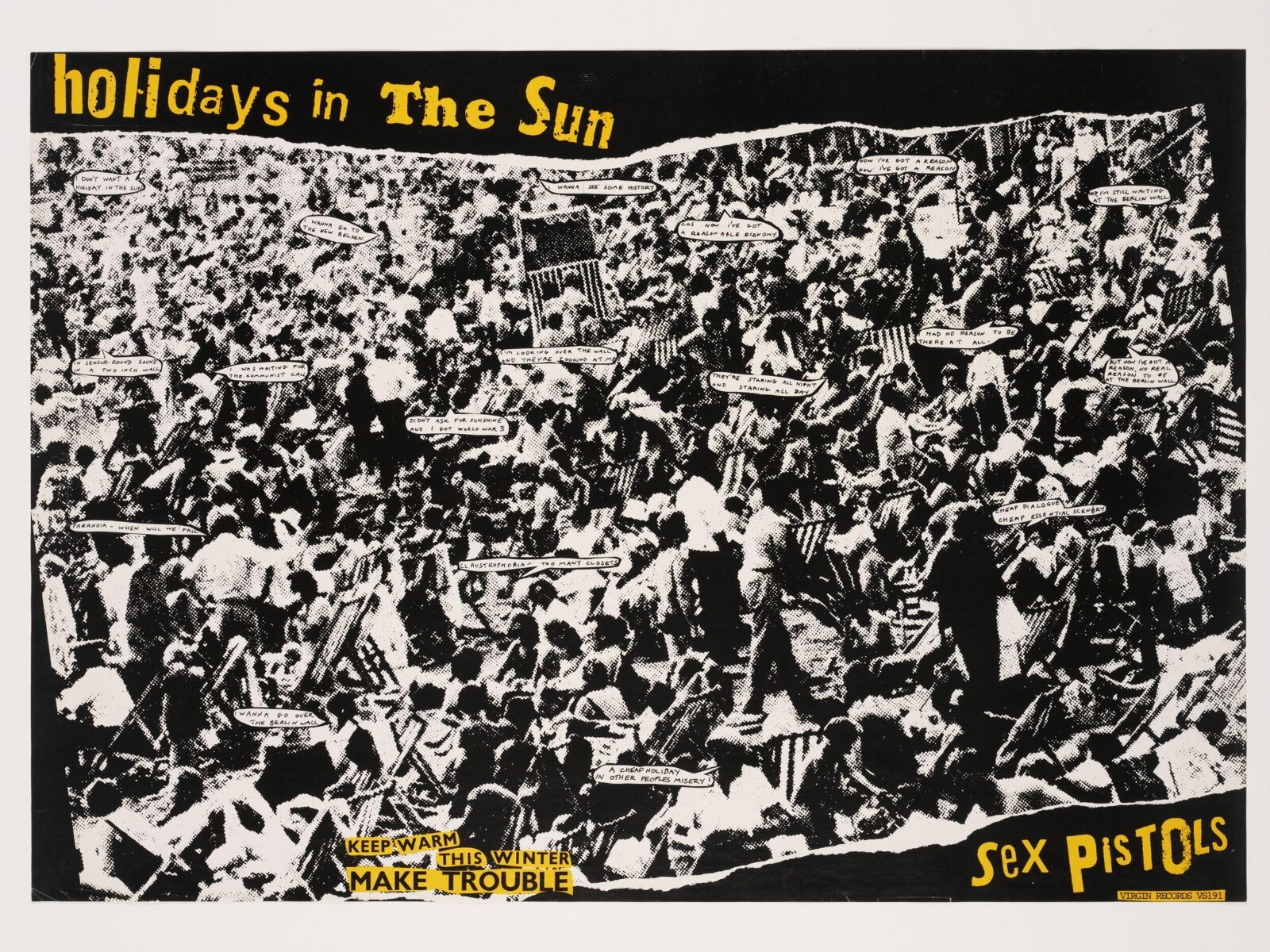
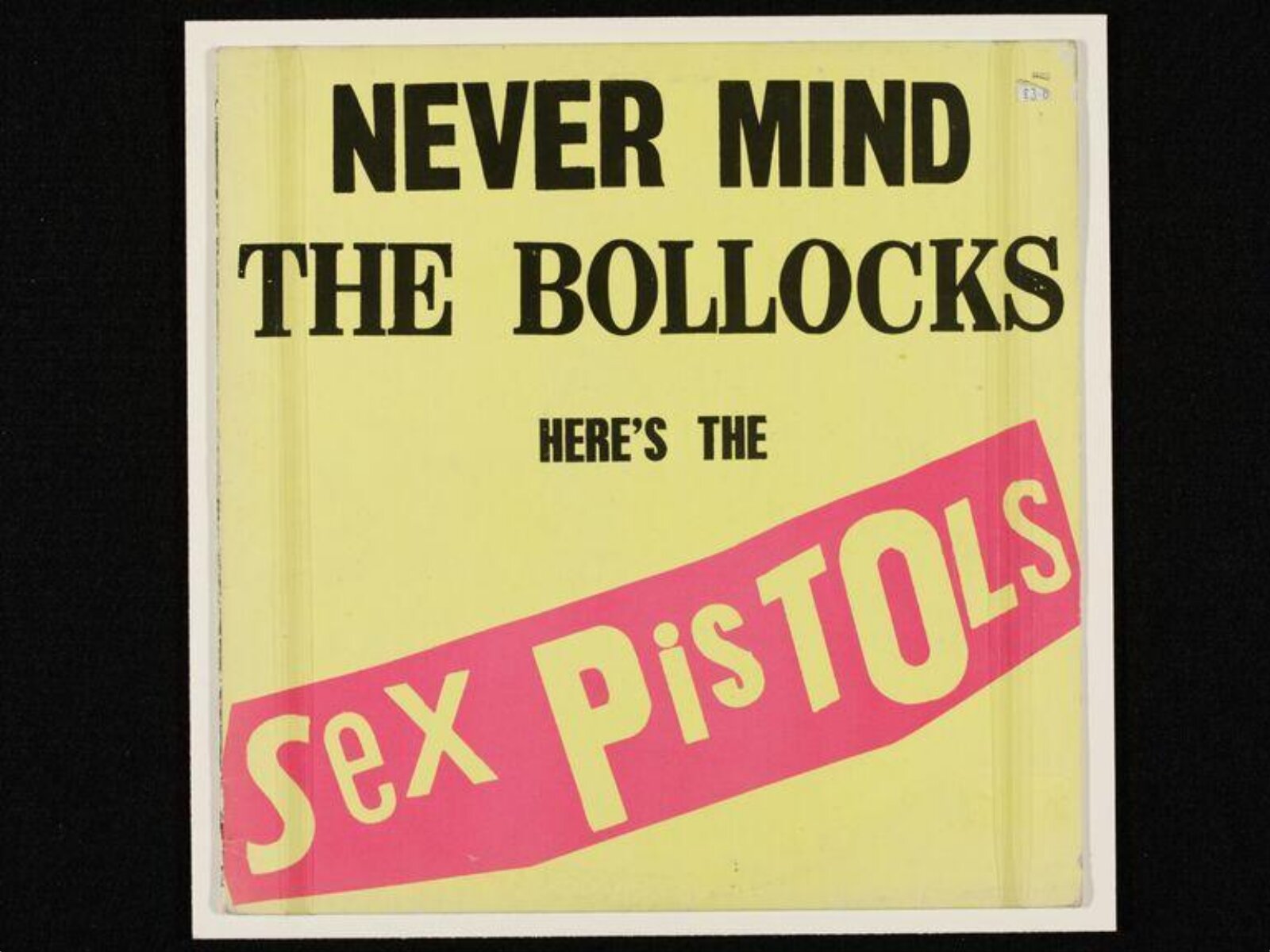
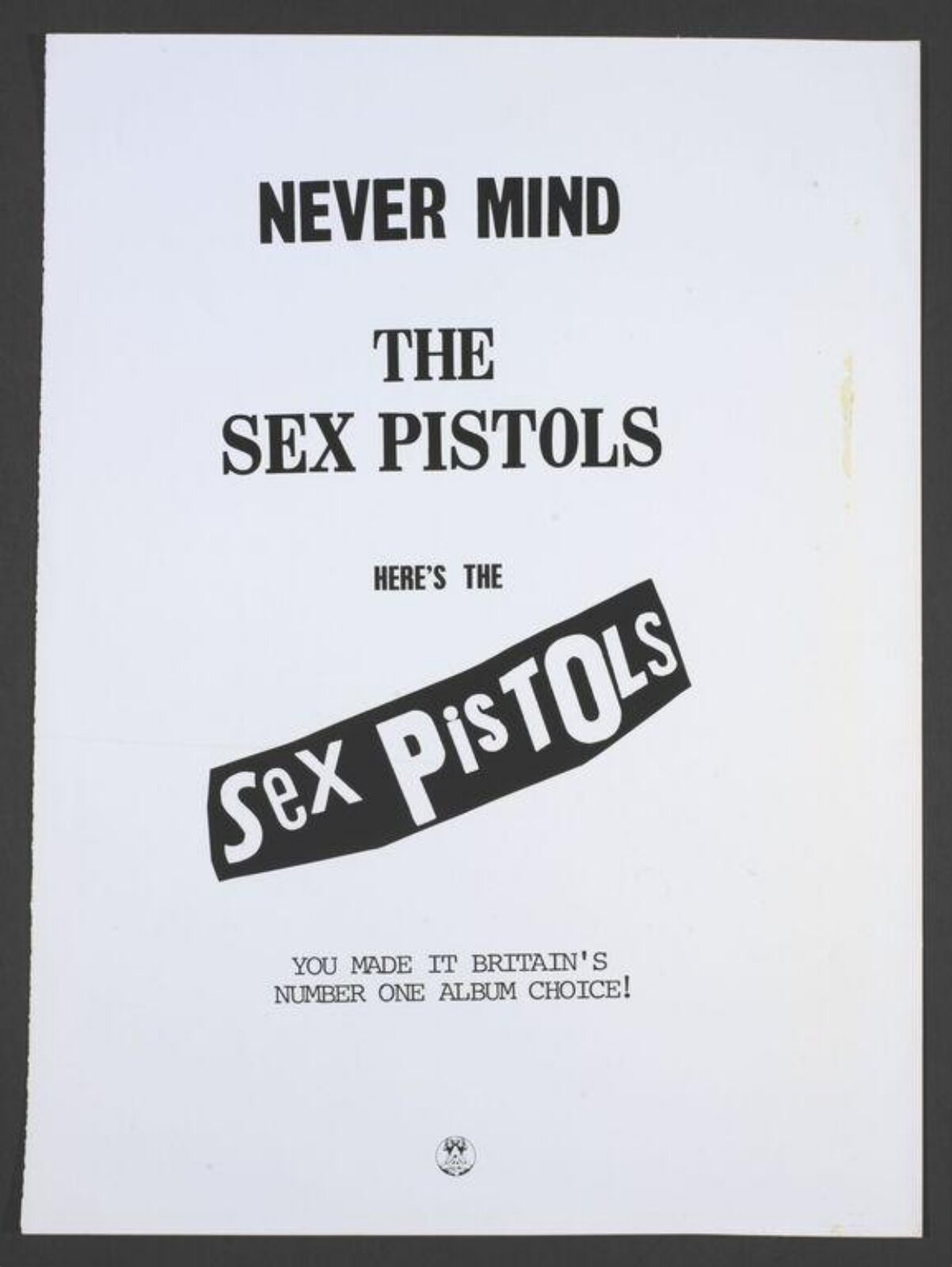
Jamie Reid
1947–2023
punk, situationist détournement, cheap agit-prop graphics
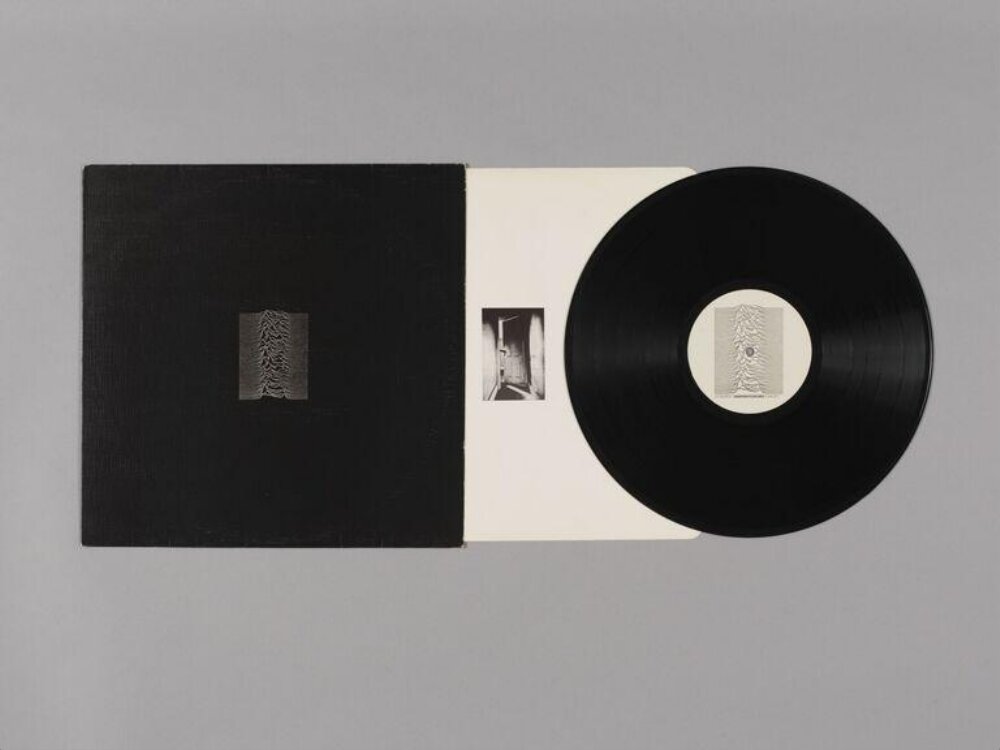
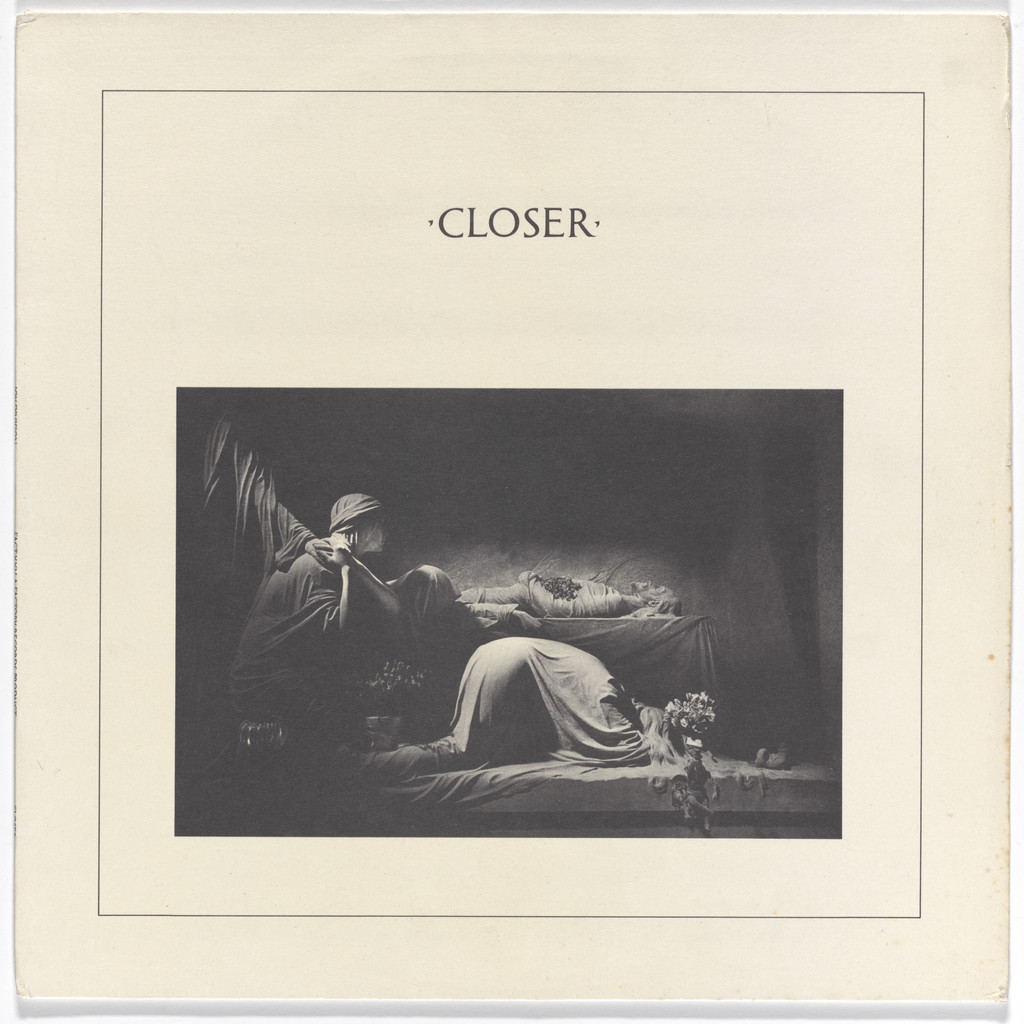
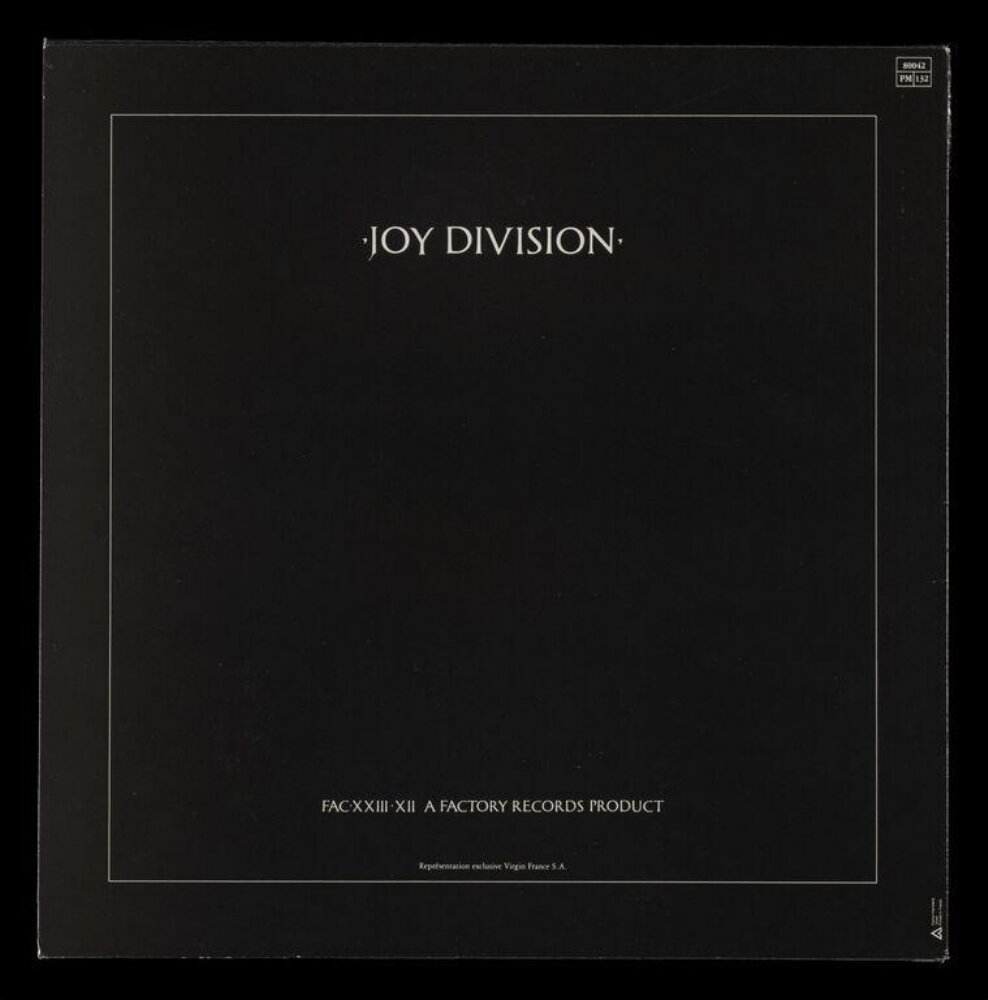
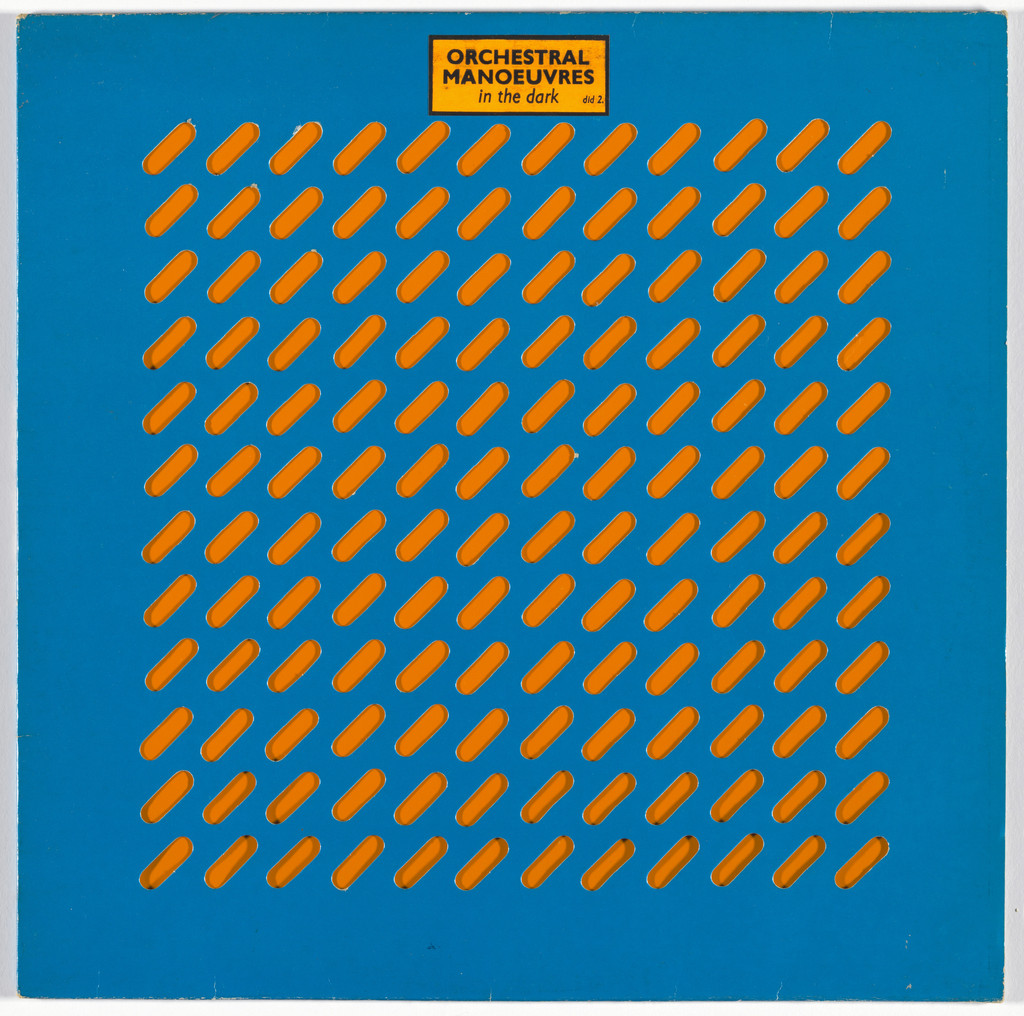

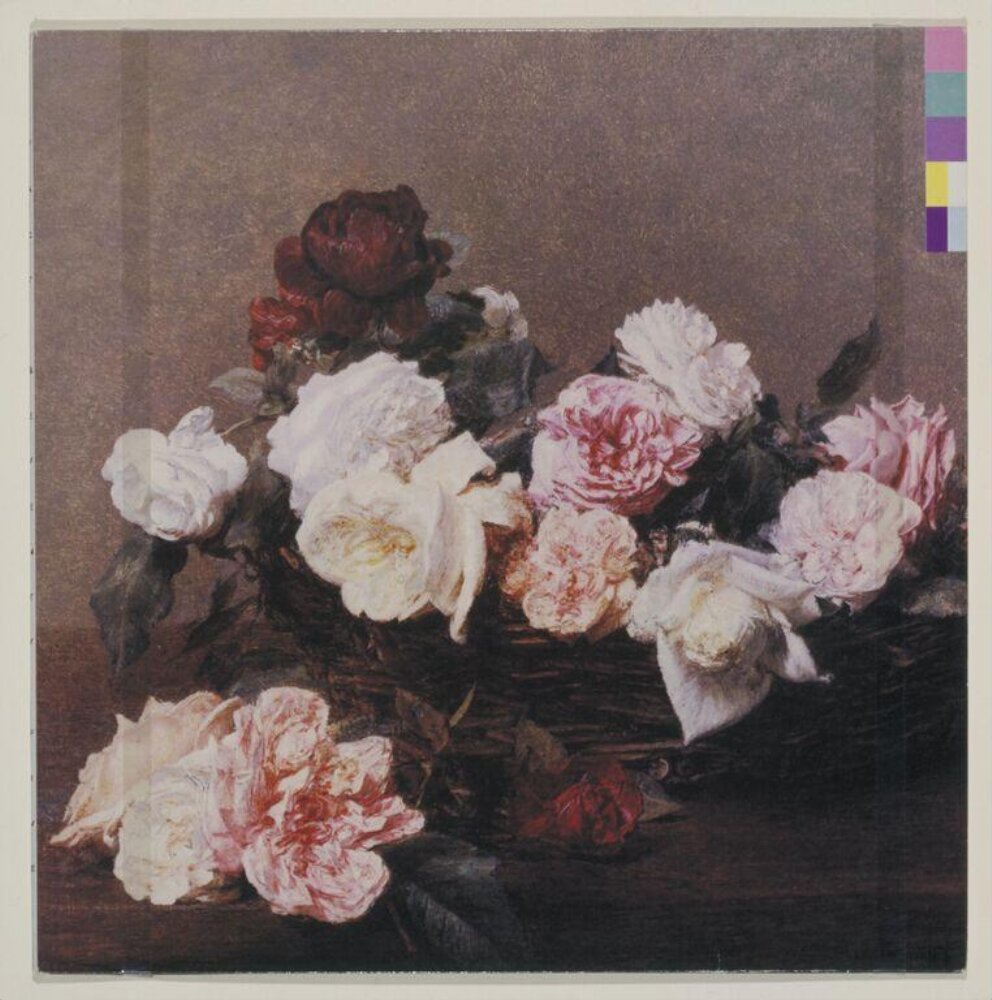

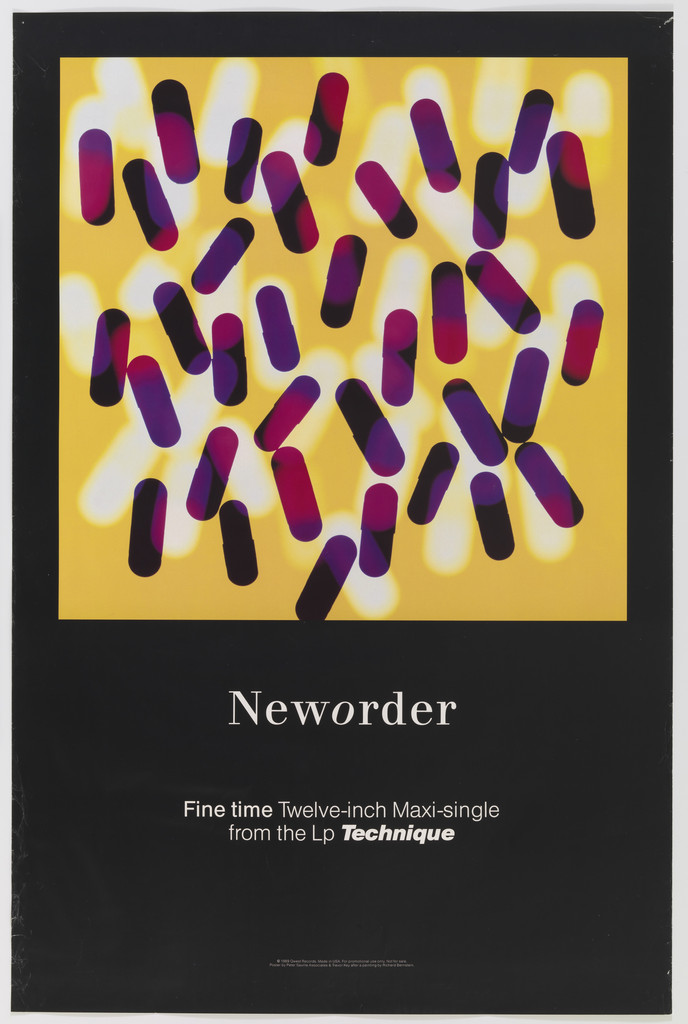
Peter Saville
1955–
appropriation, record sleeves, subtraction as authorship
1985
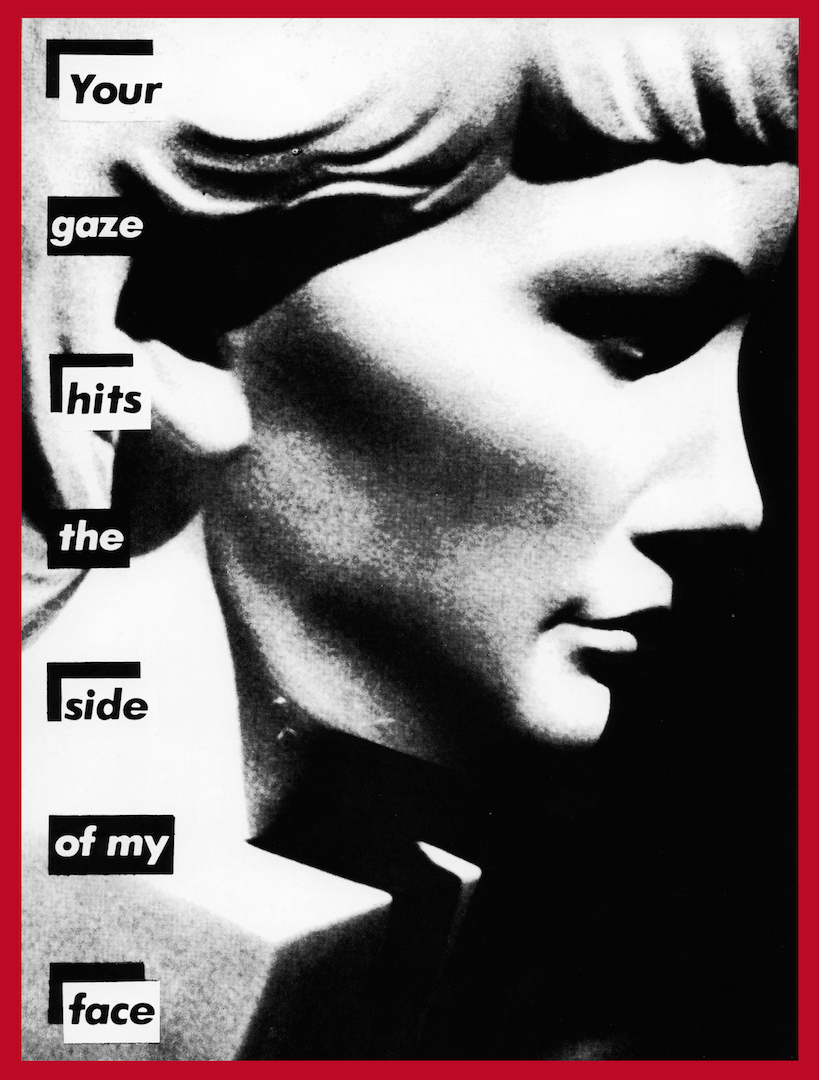
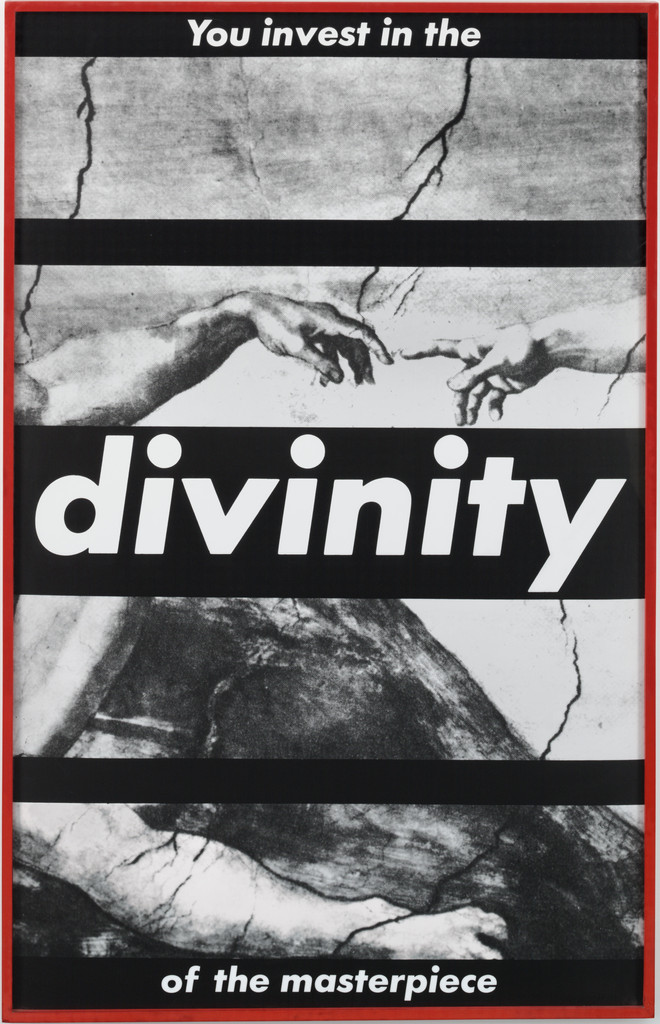
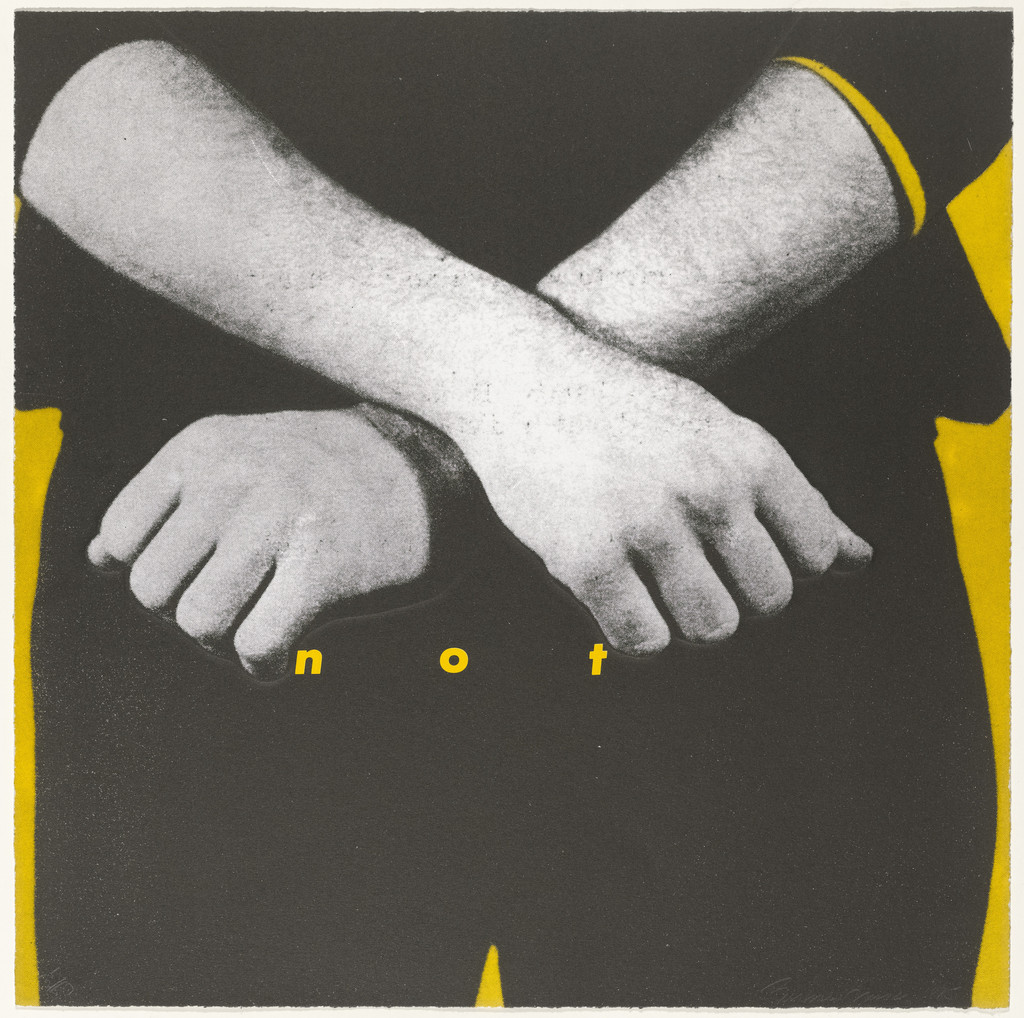

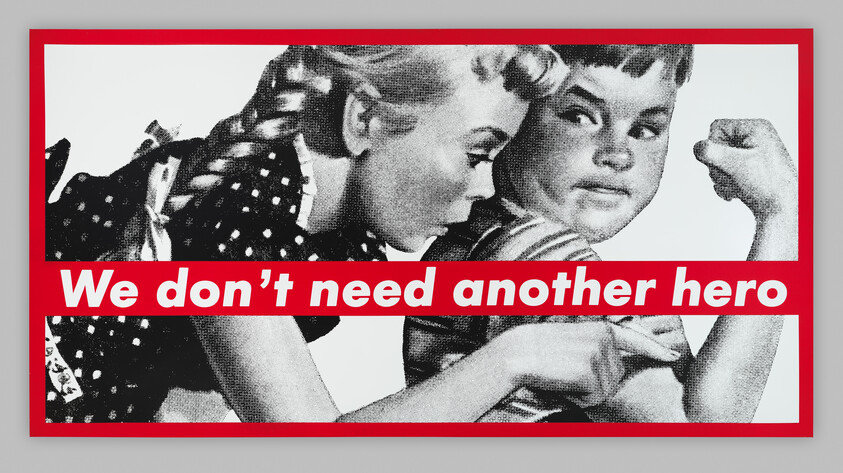

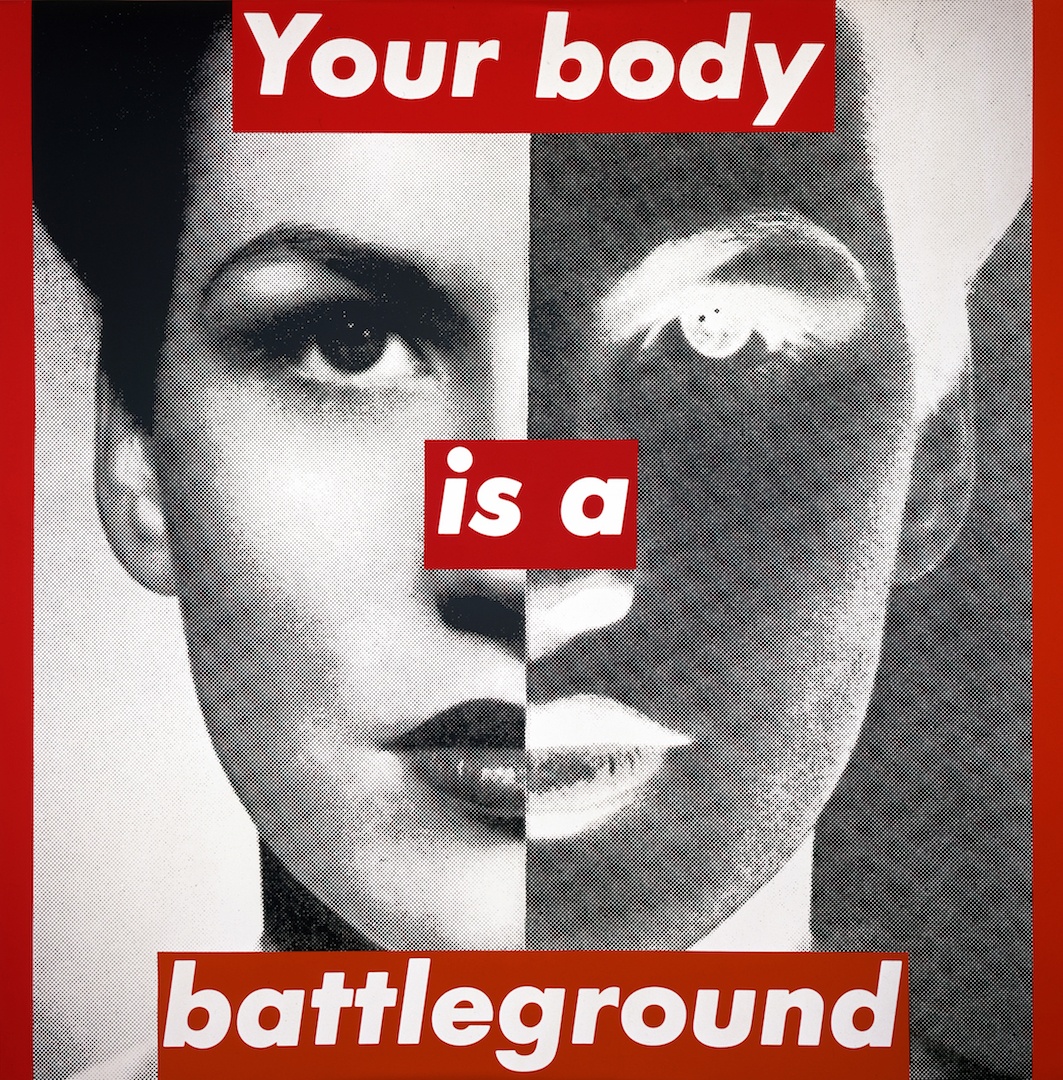
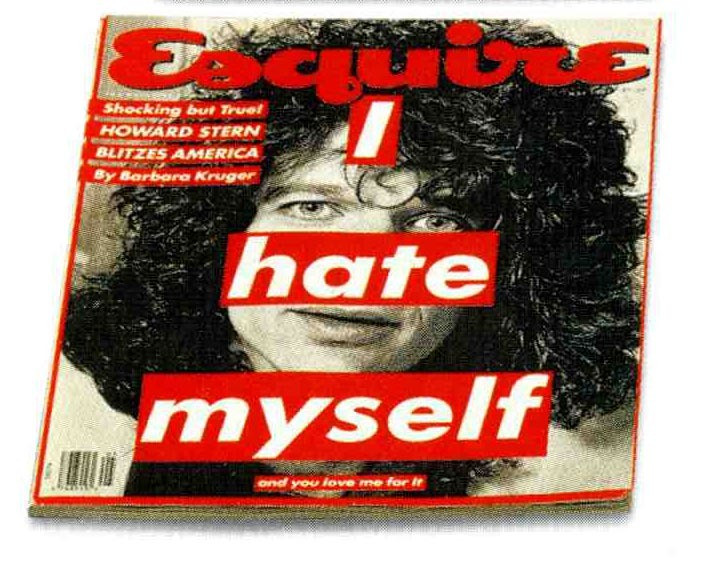
Barbara Kruger
1945–
found photograph + one sentence in a label — an advertisement that speaks against advertising
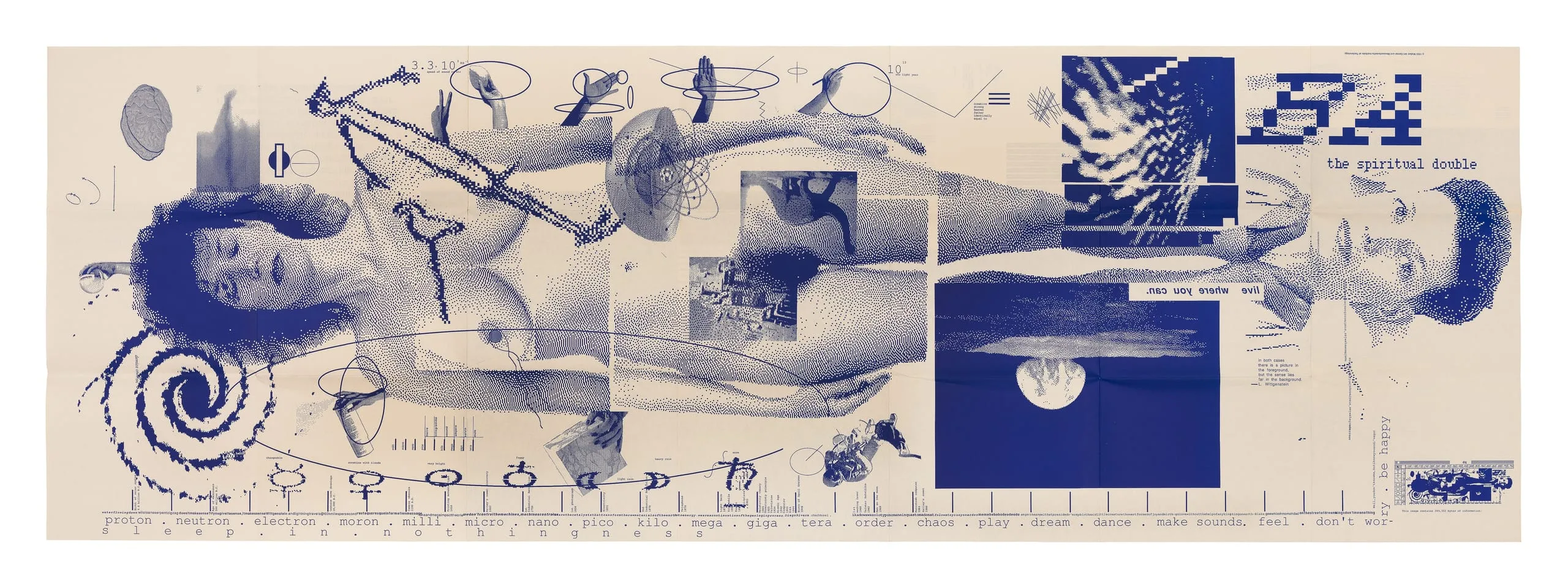
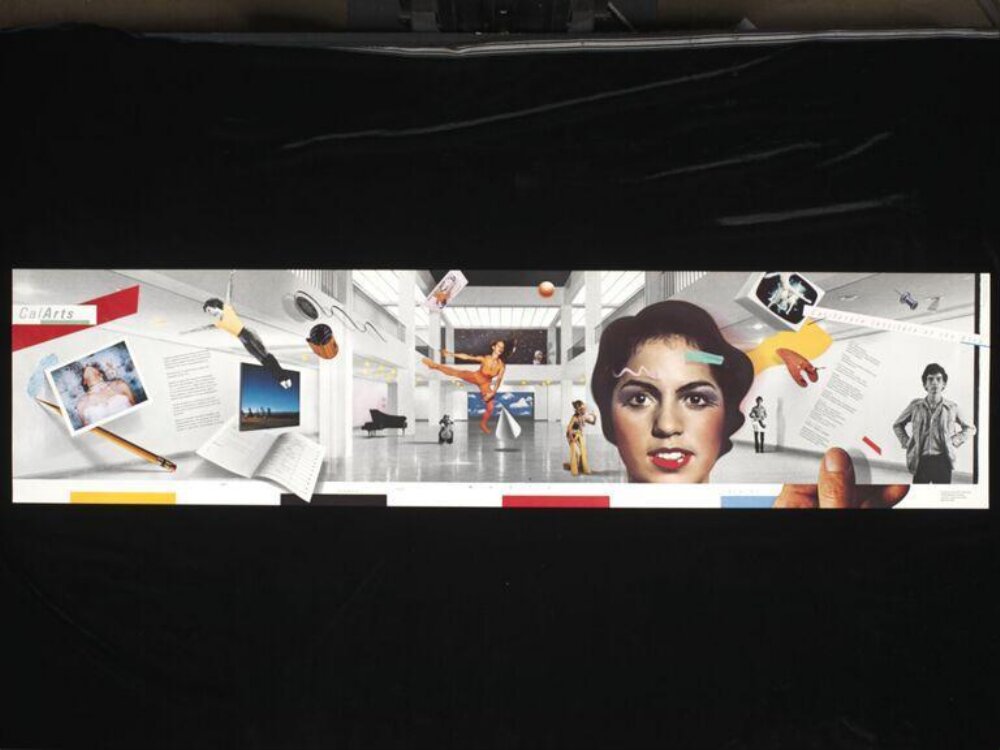
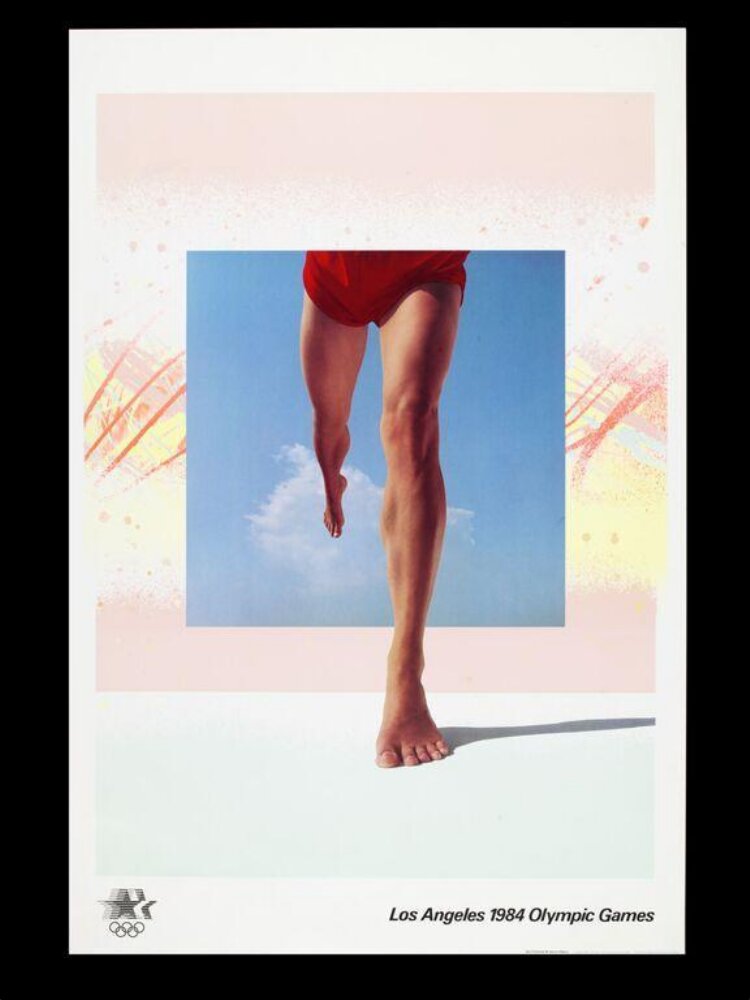

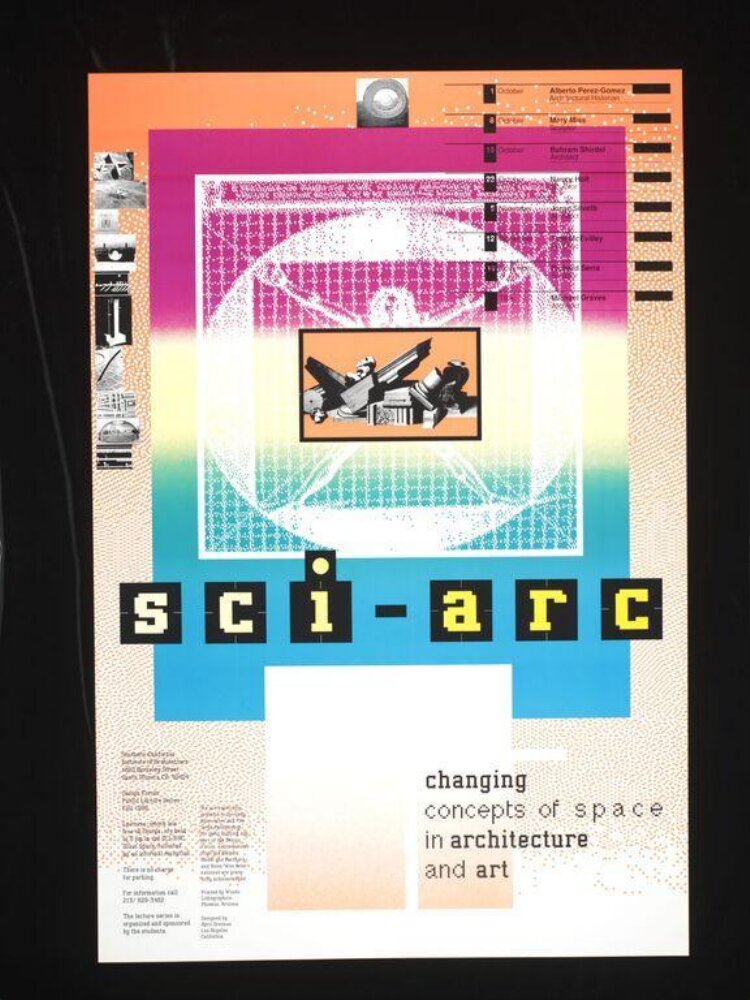
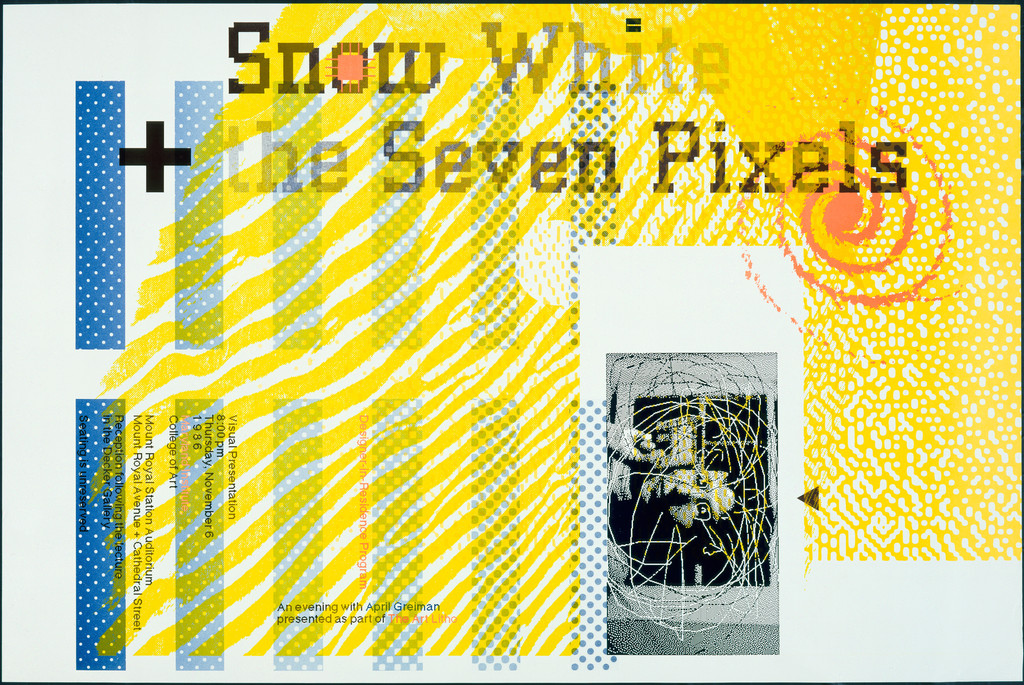
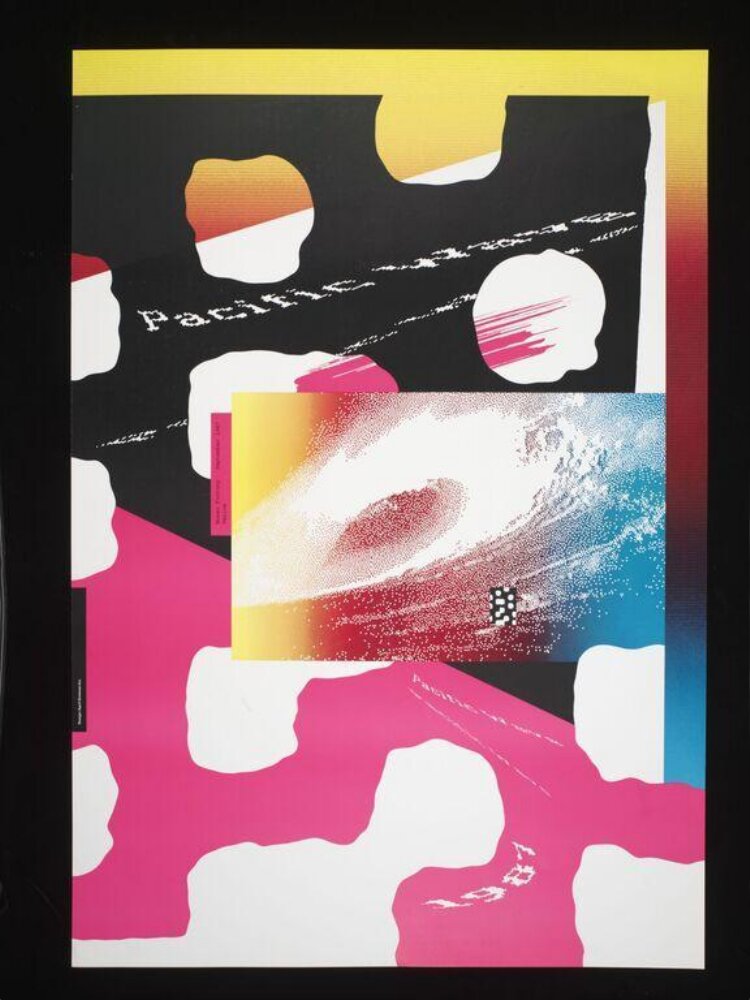
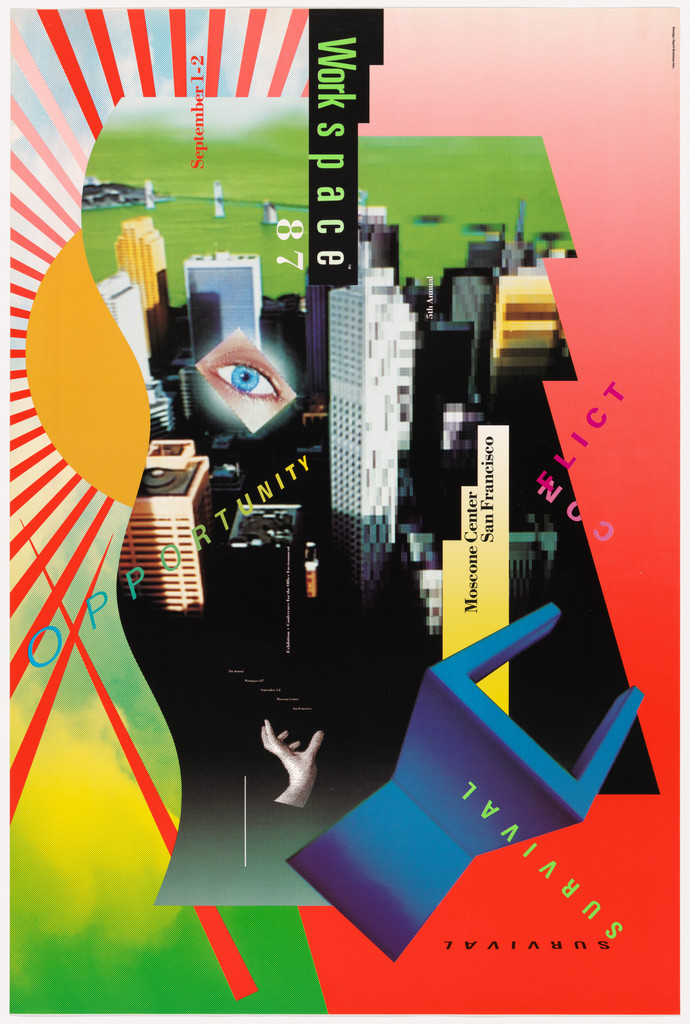
April Greiman
1948–
hybrid image — video, bitmap, photography and typeface in one space; first serious Macintosh
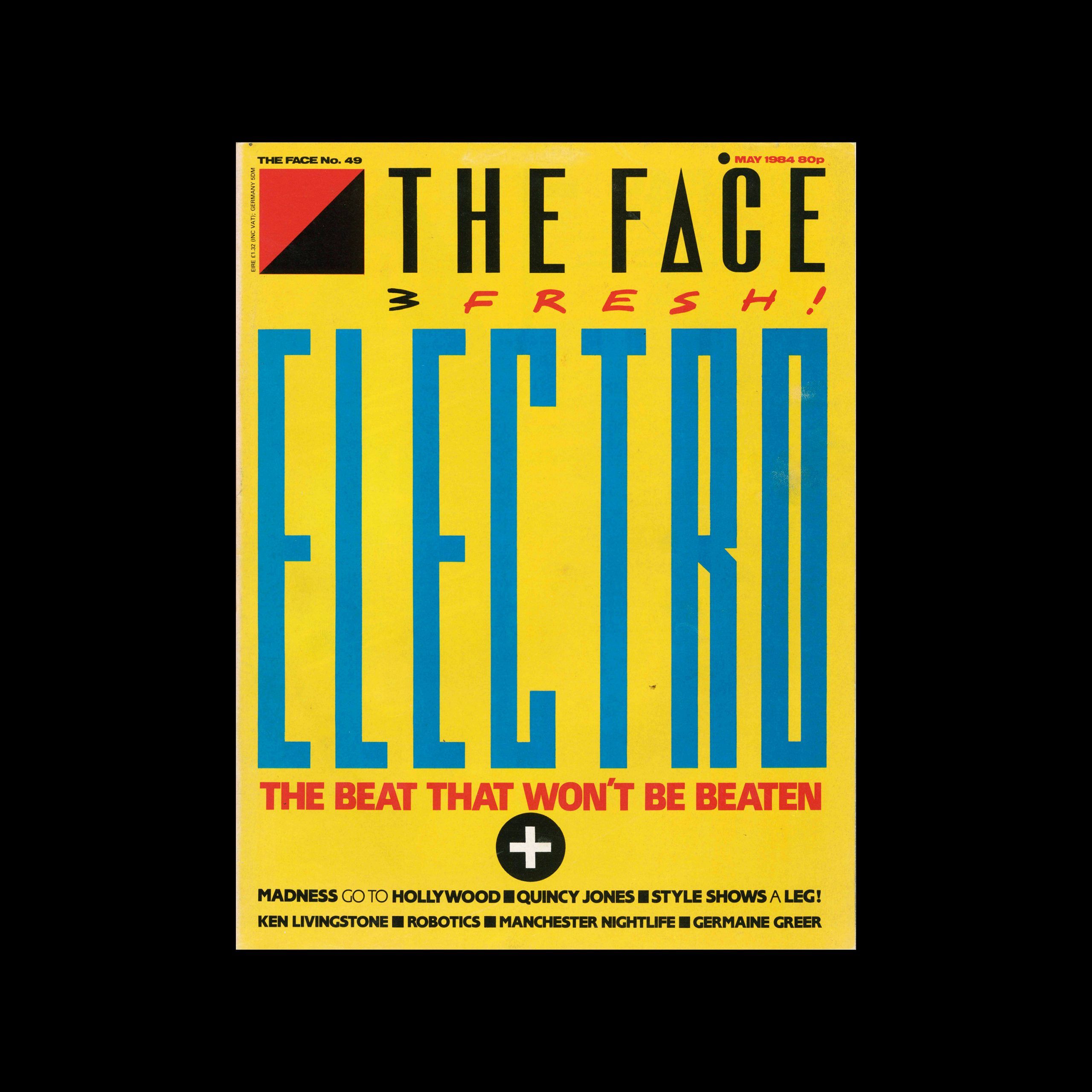

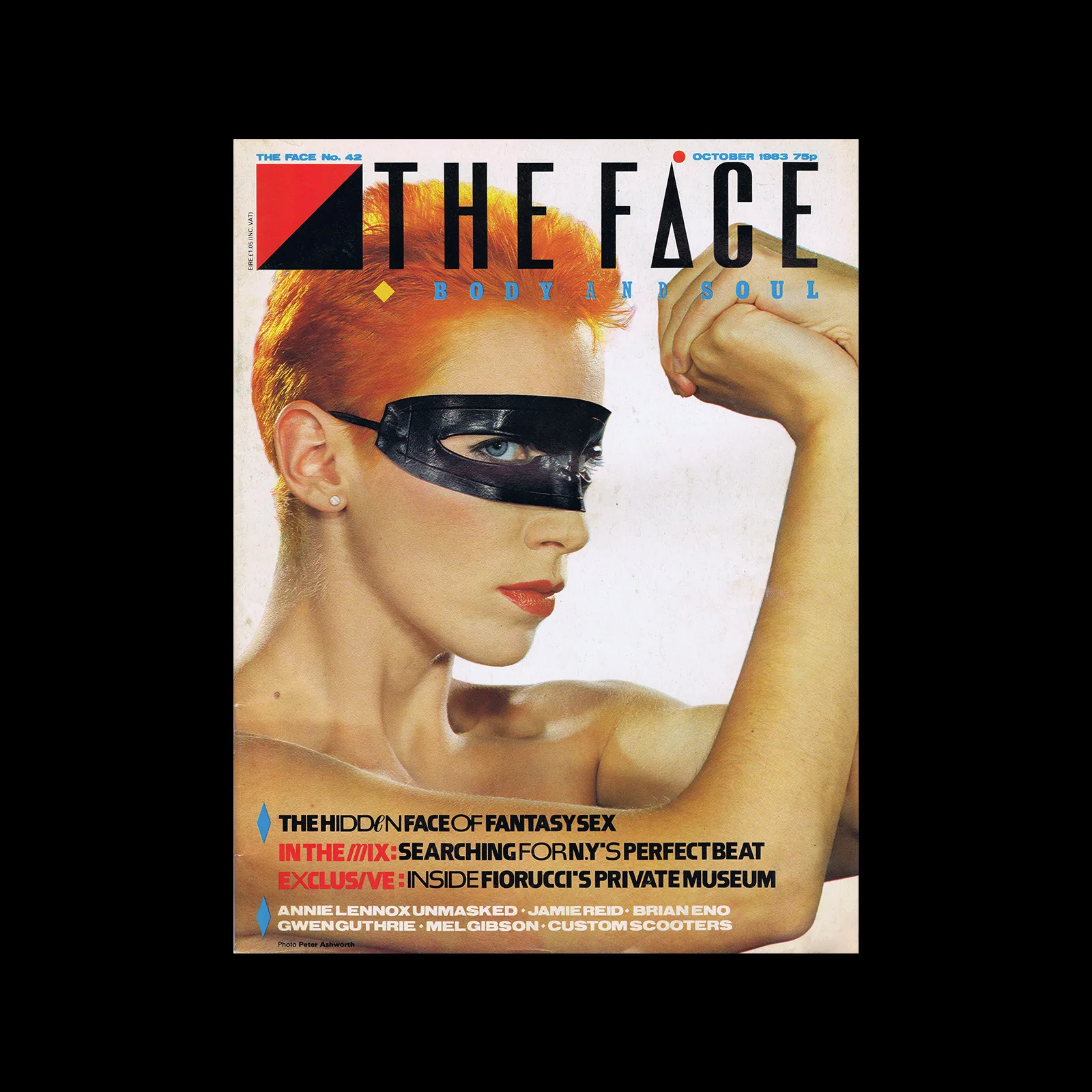

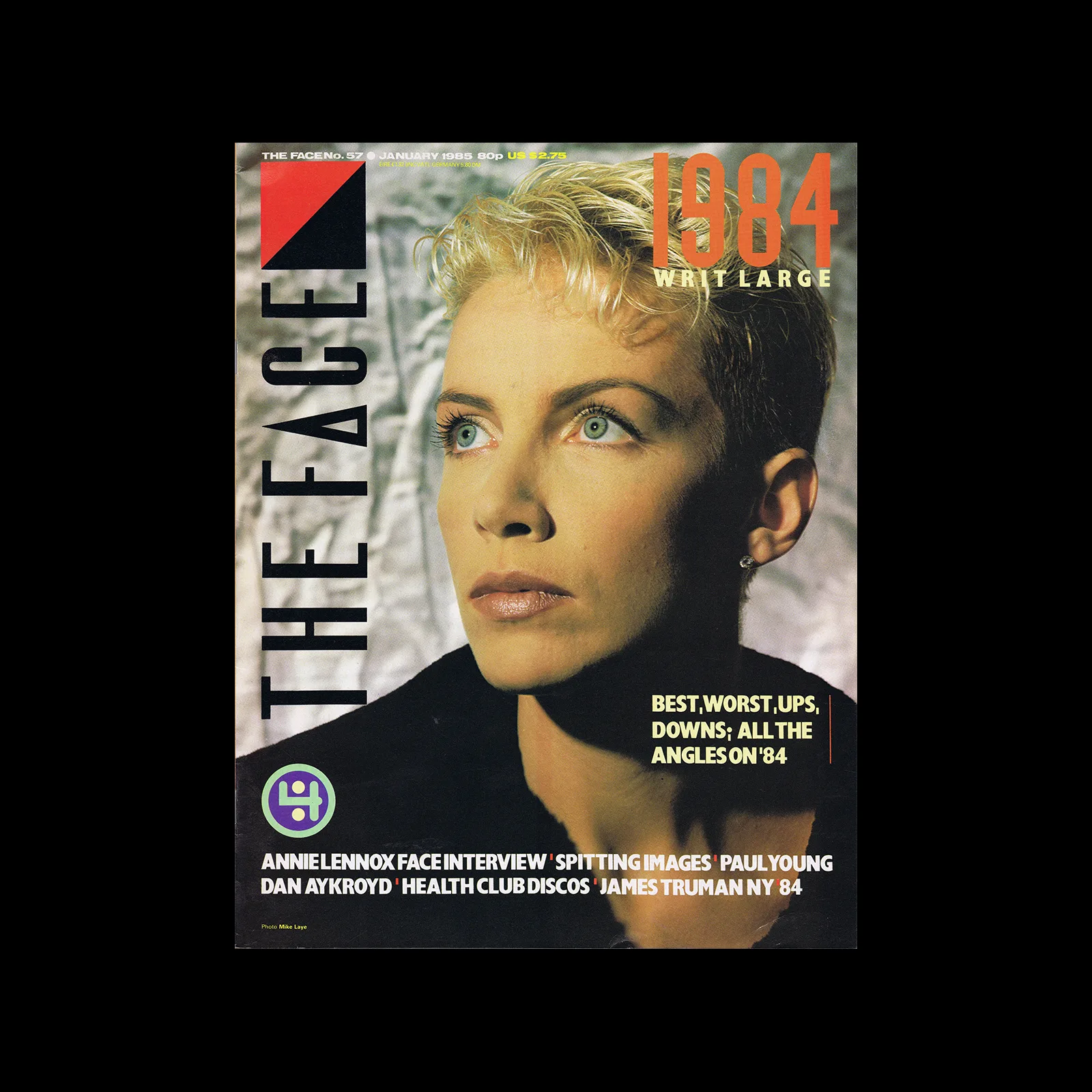
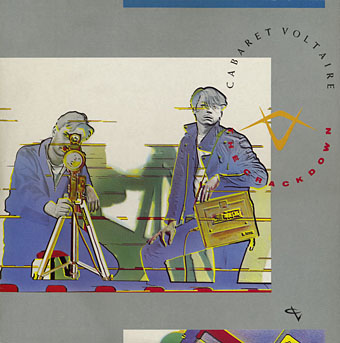
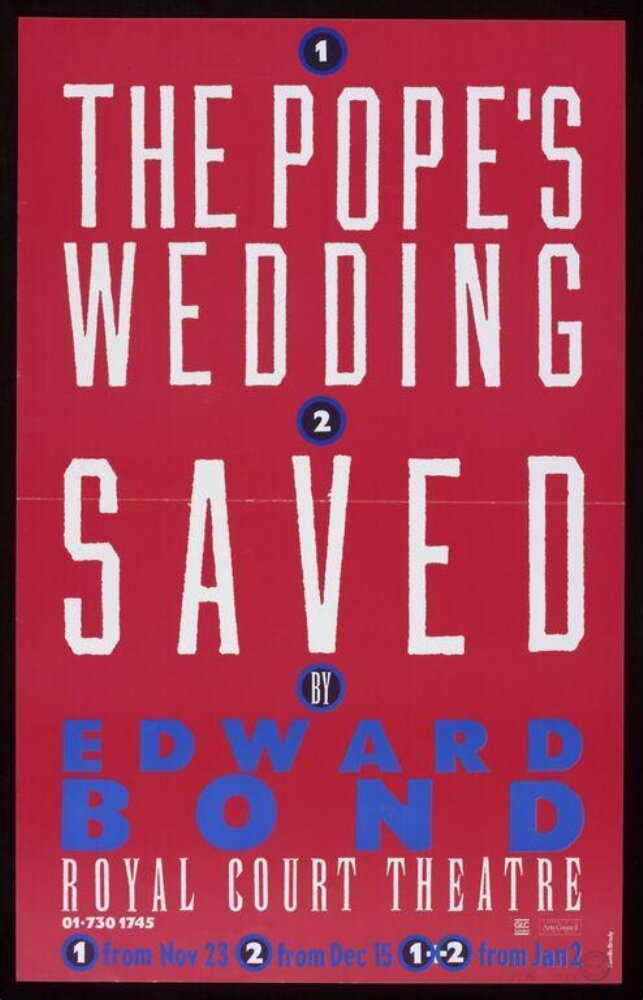
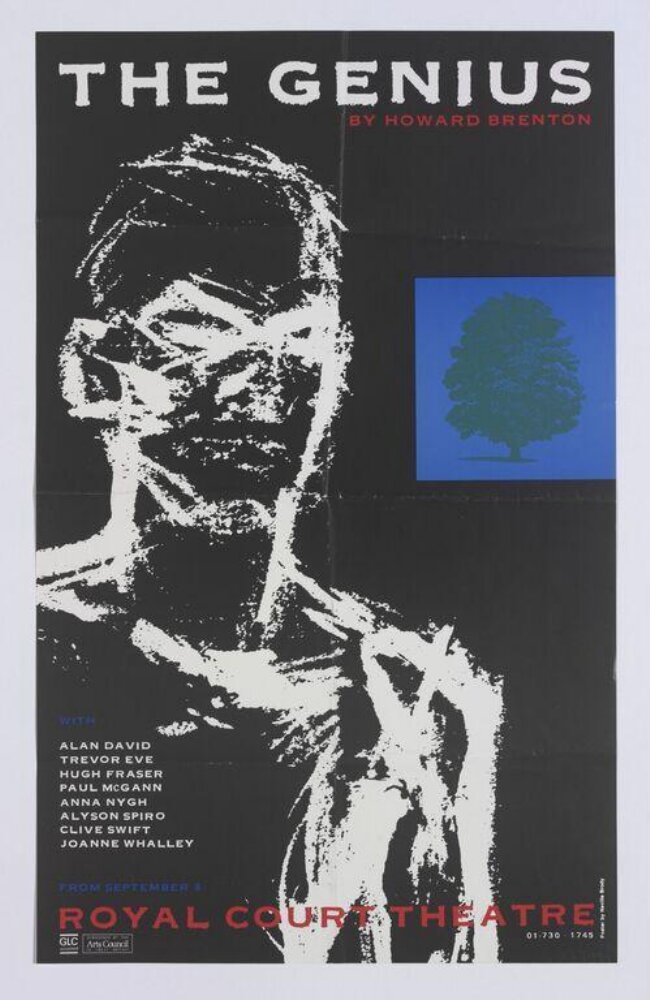
Neville Brody
1957–
editorial typography — a typeface drawn for a single job, identity as behaviour instead of a mark
1995
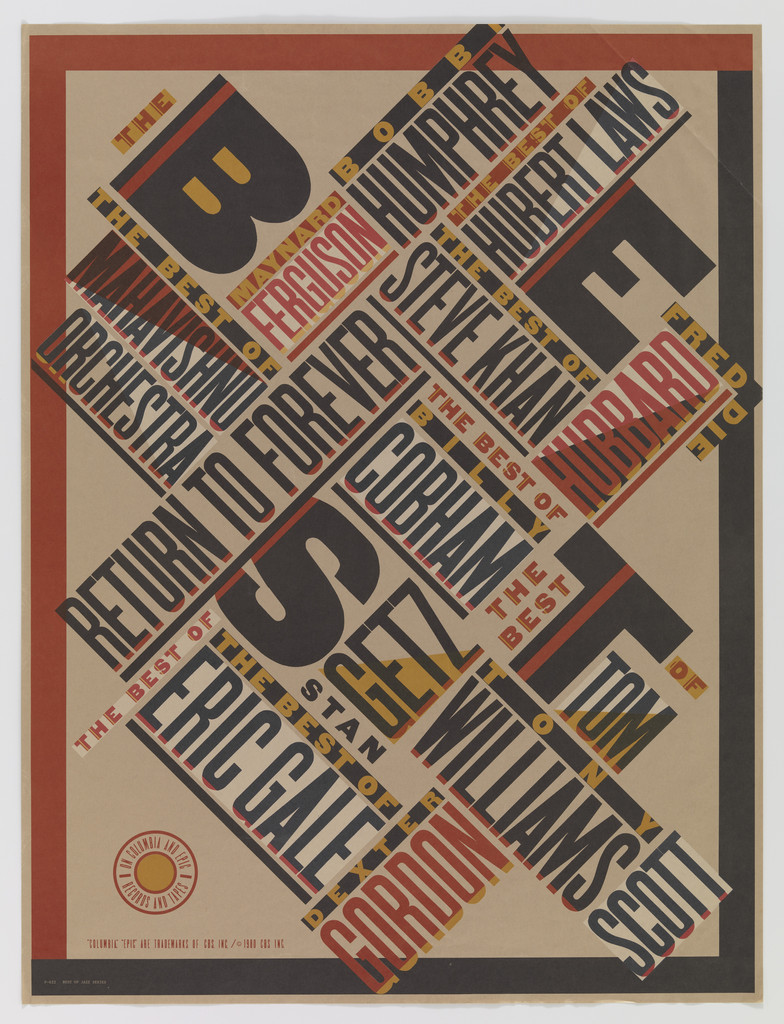

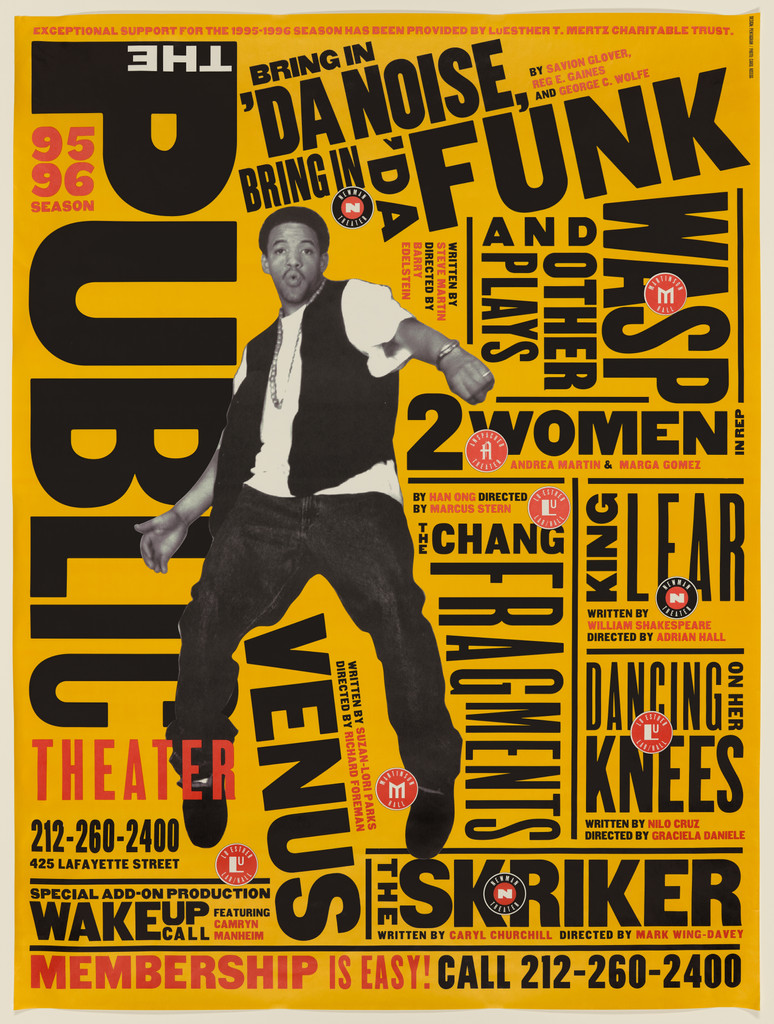
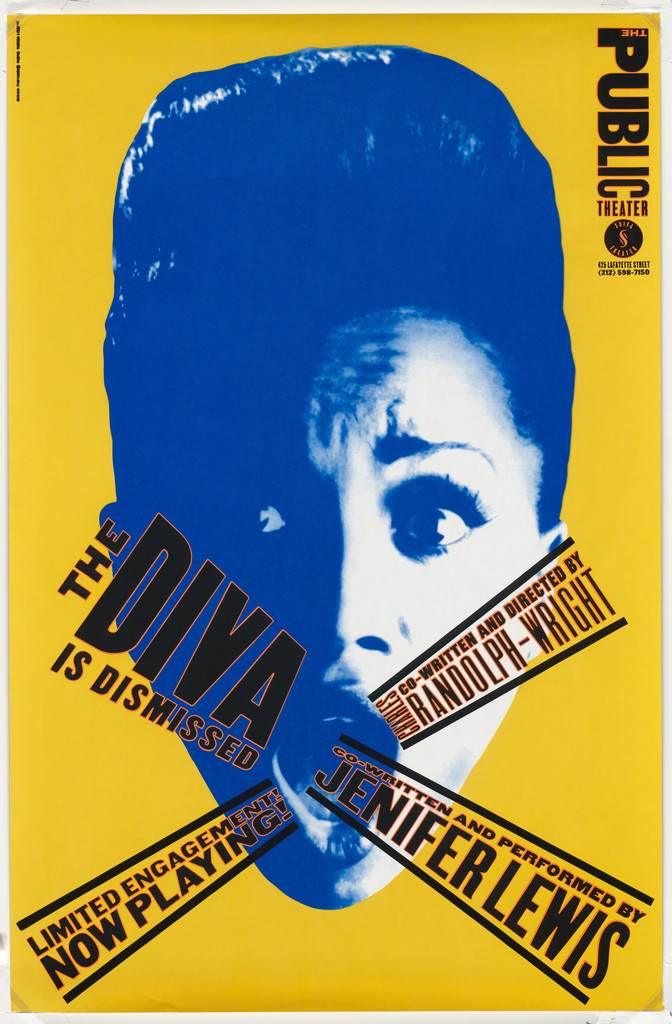
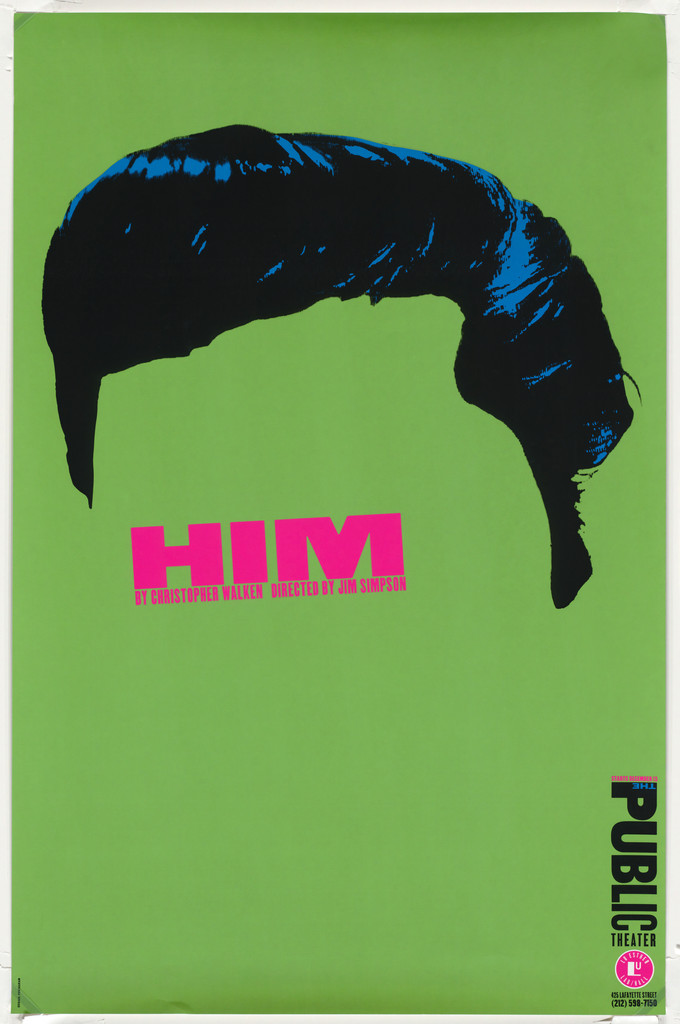
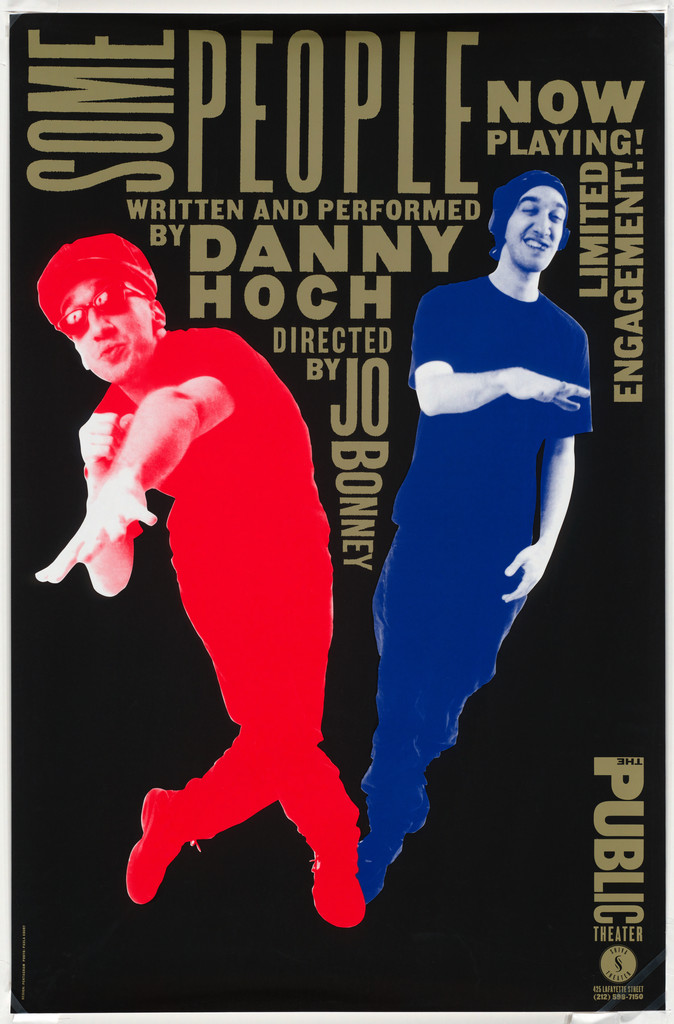

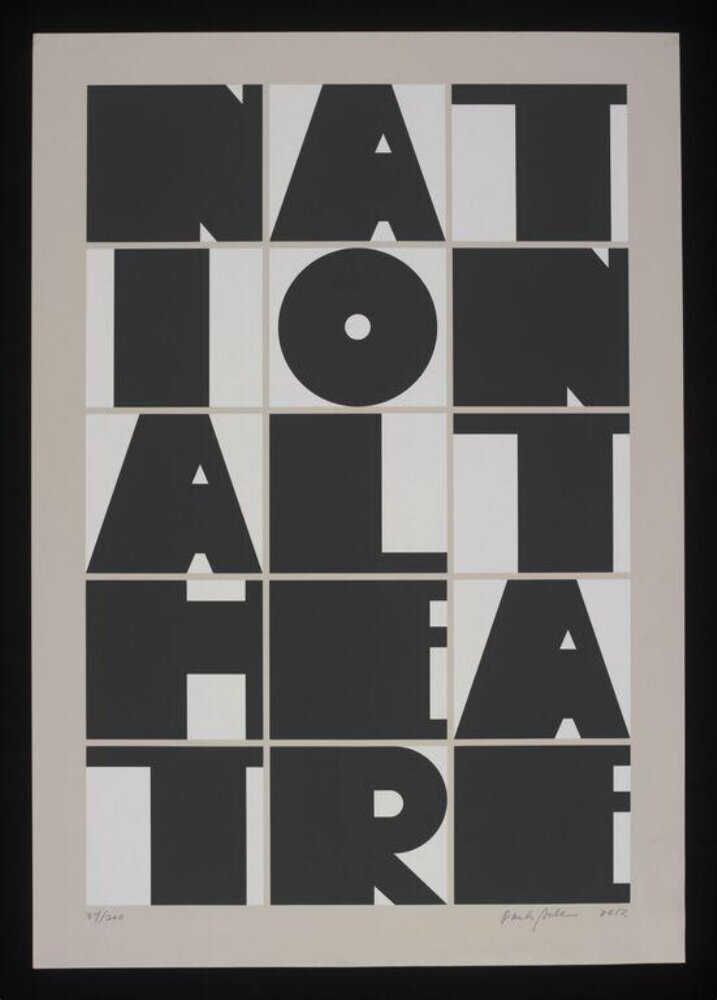
Paula Scher
1948–
typography as image — wood type, extreme scale, identity as behaviour
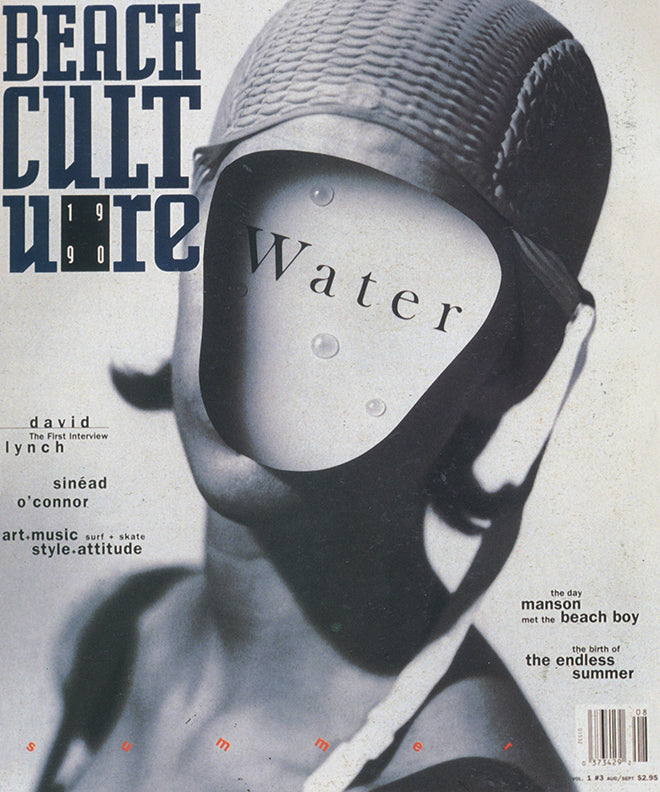

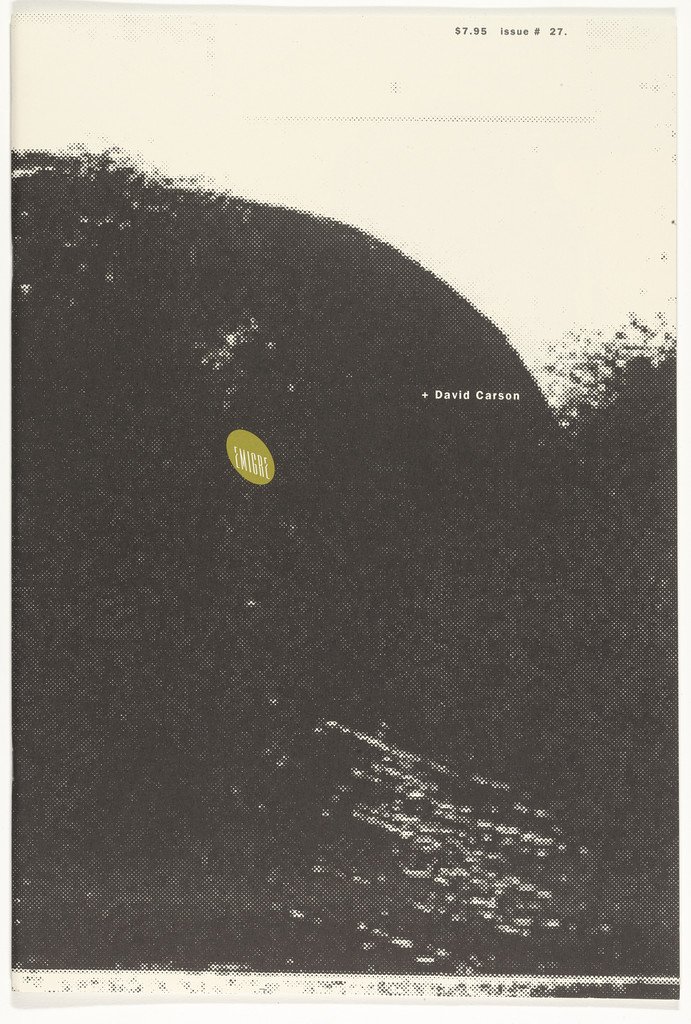
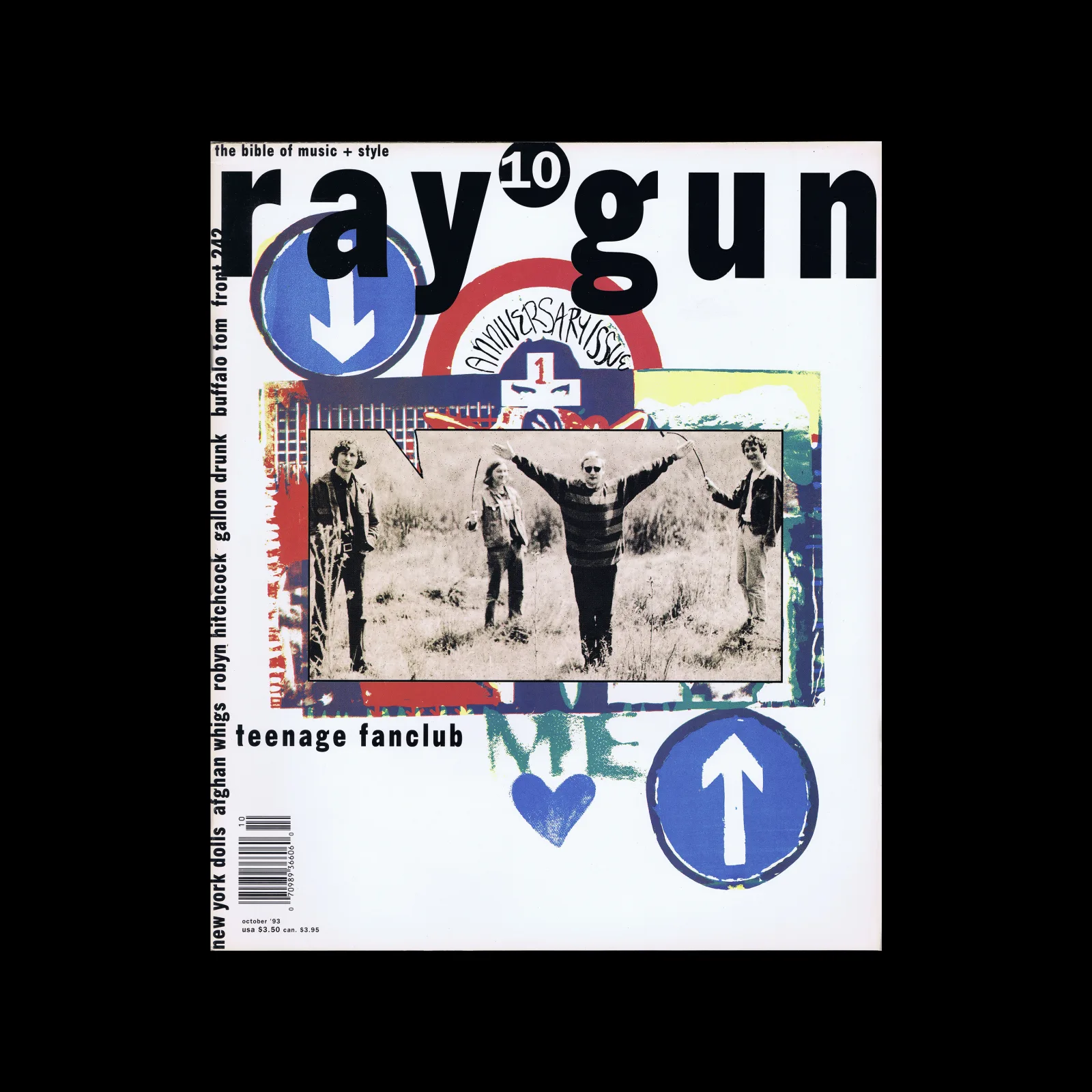
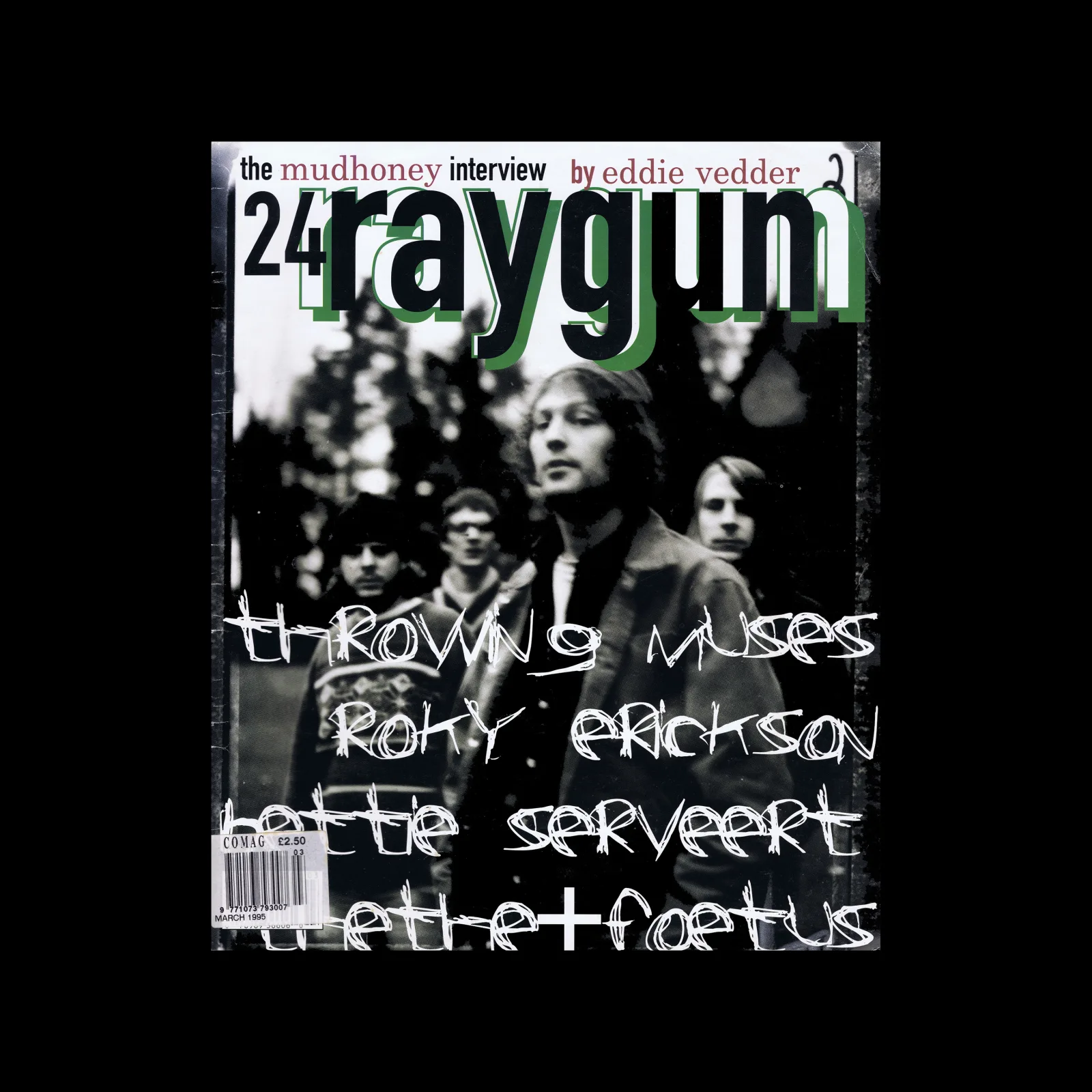

David Carson
1954/1955–
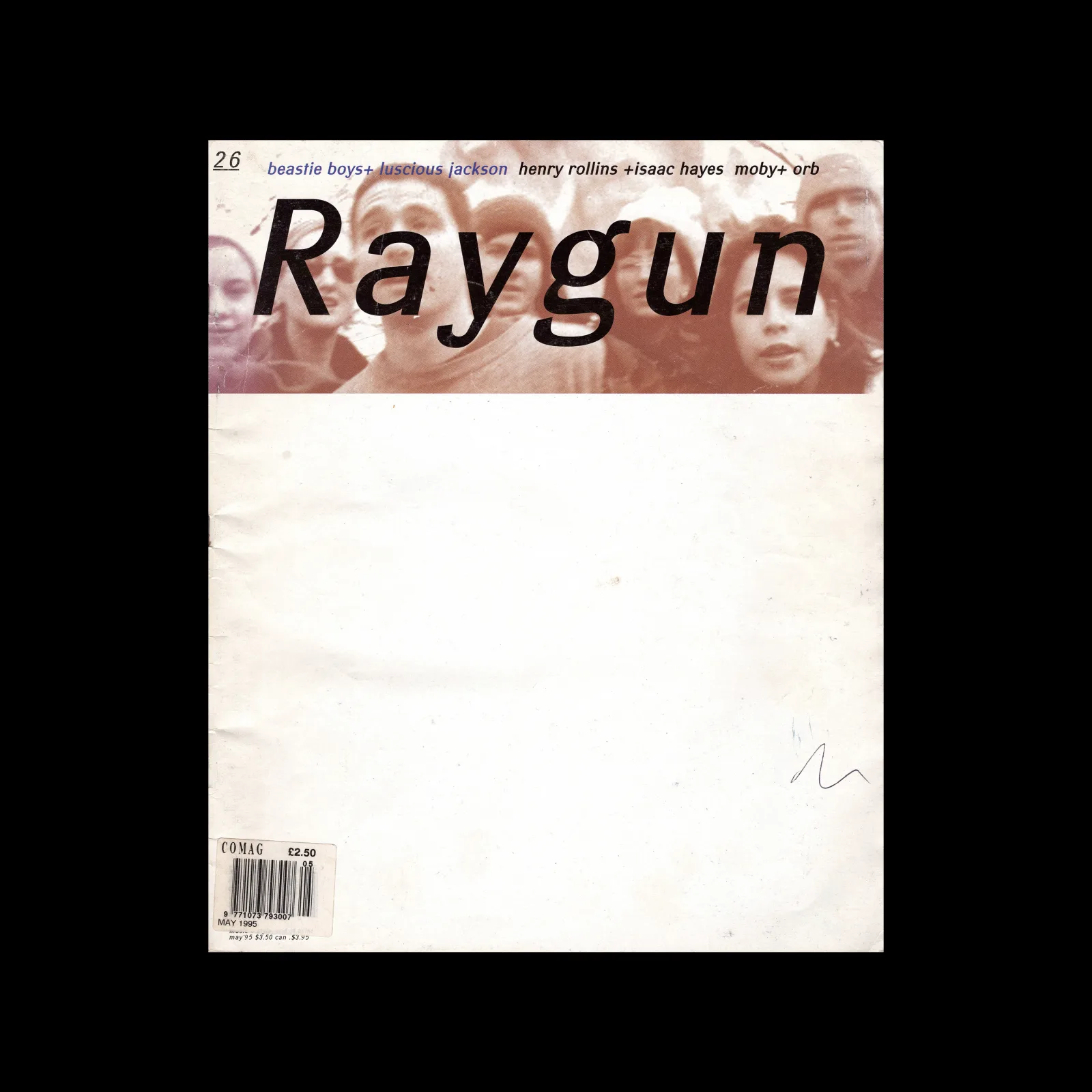
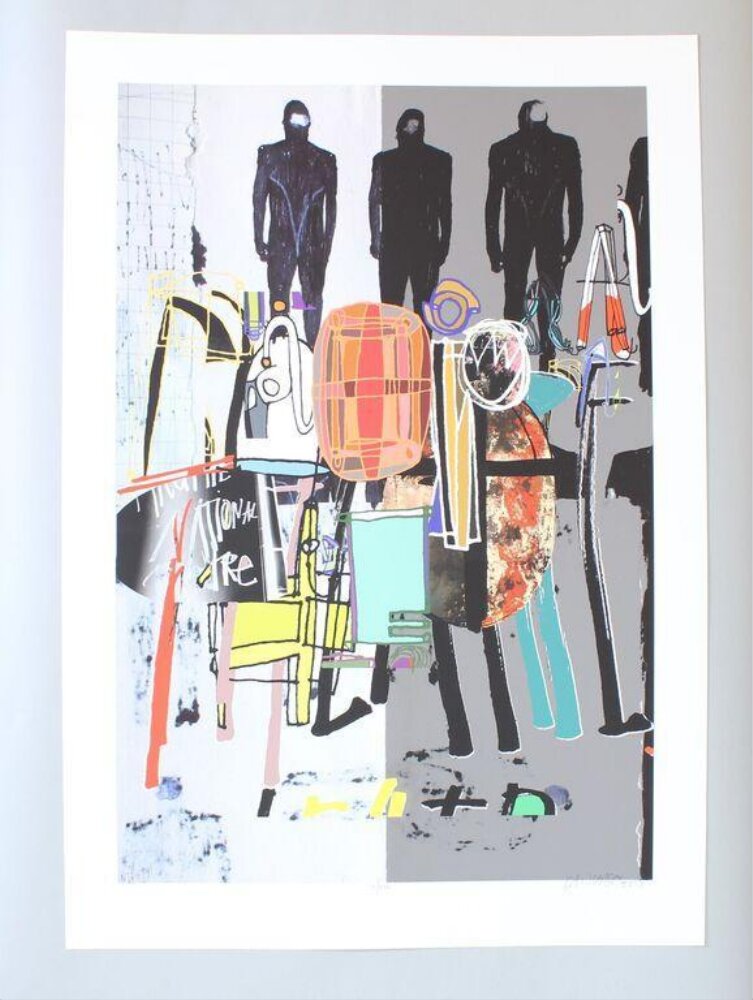
intuitive layout, type against the tonal masses of photography, degradation as shared surface
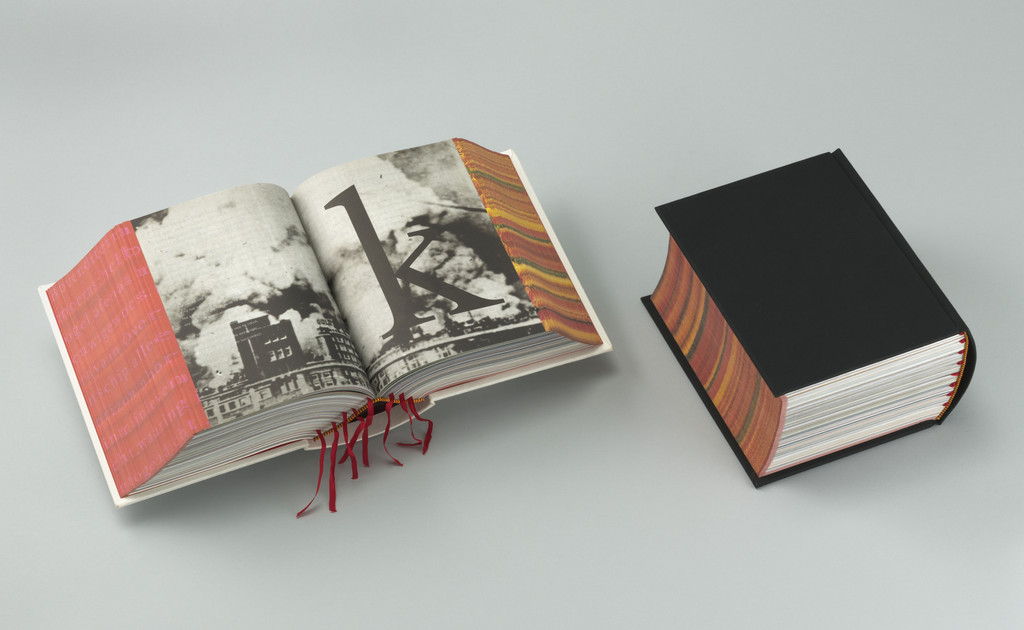
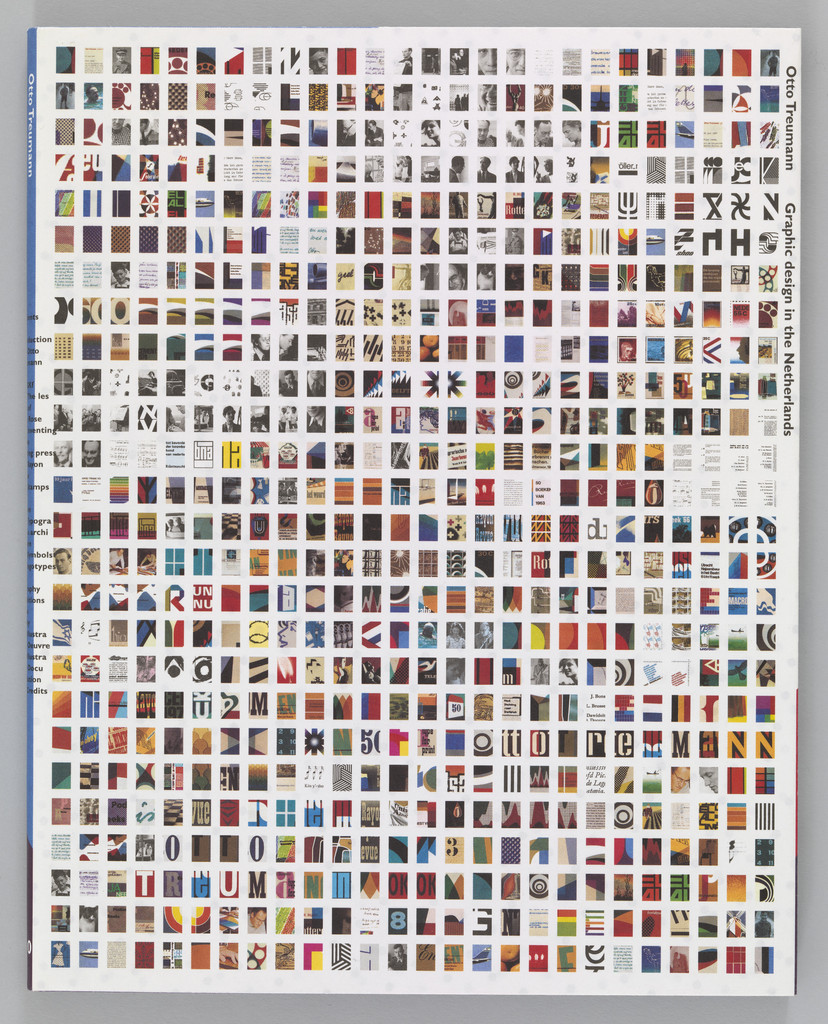
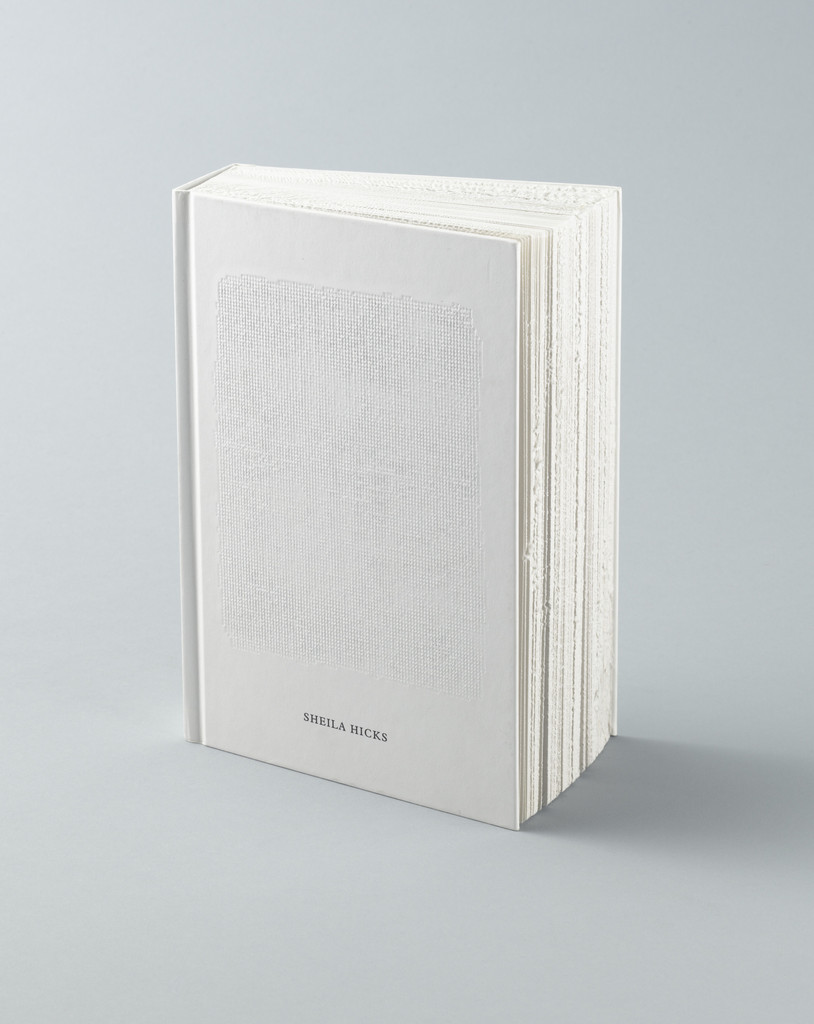
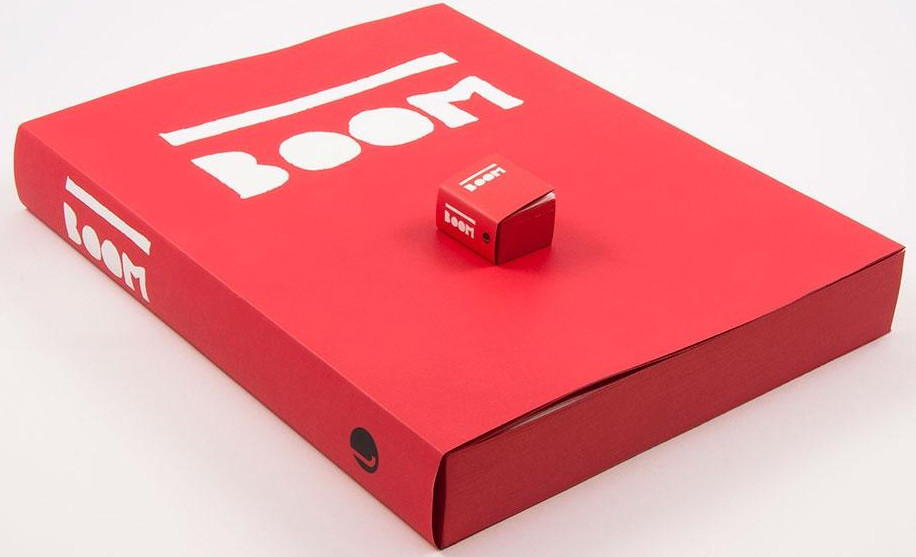
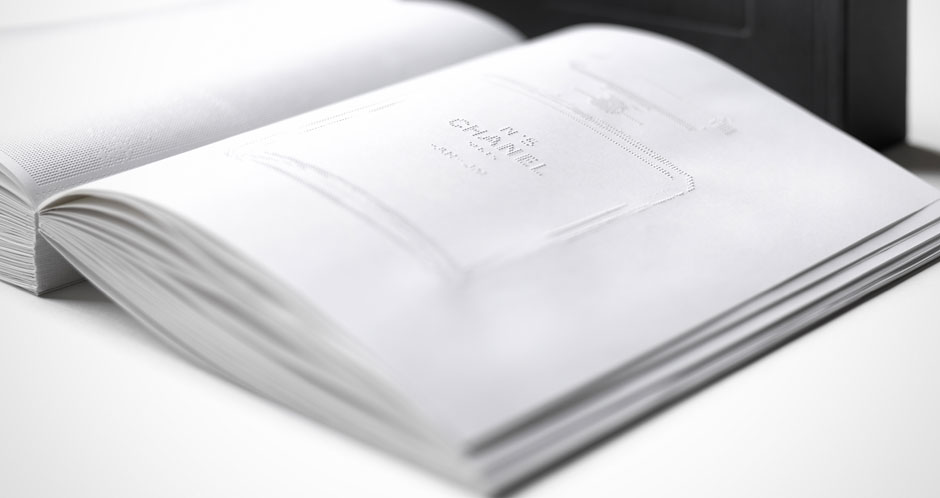
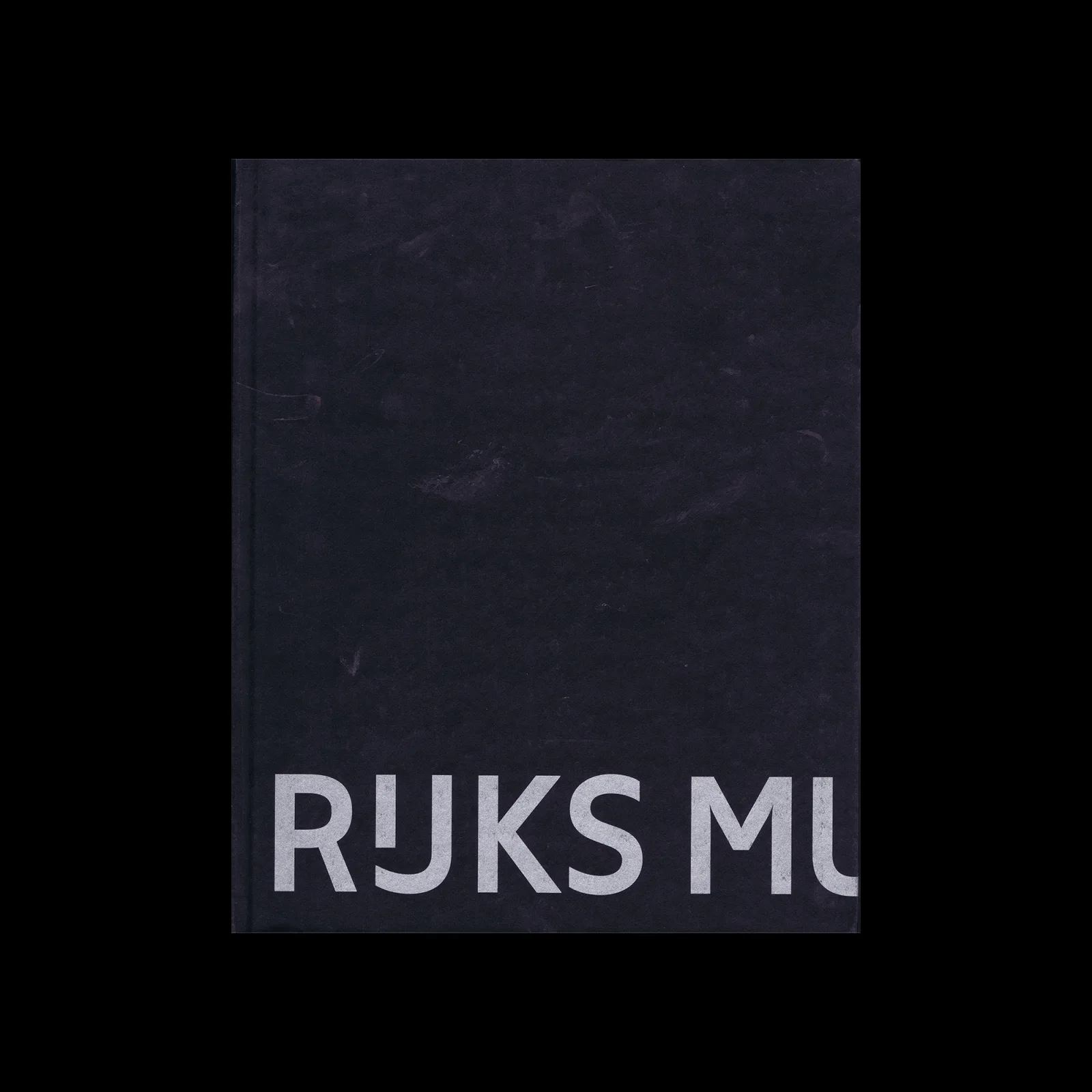
Irma Boom
1960–
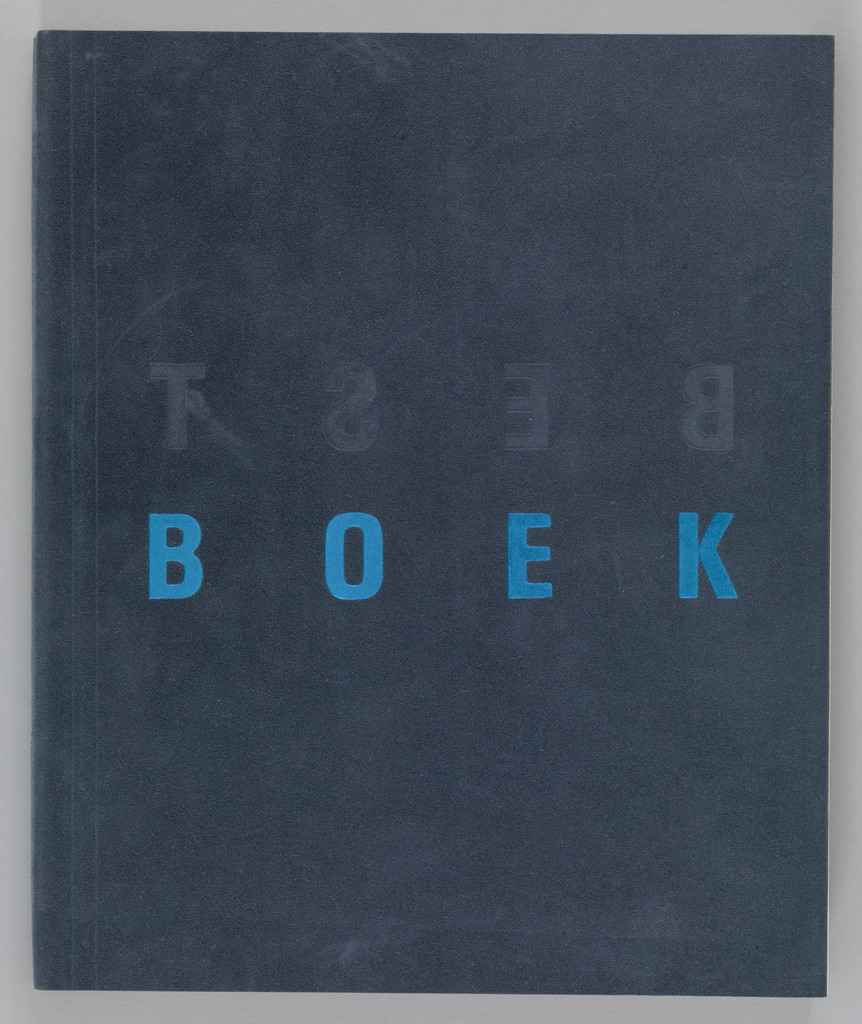
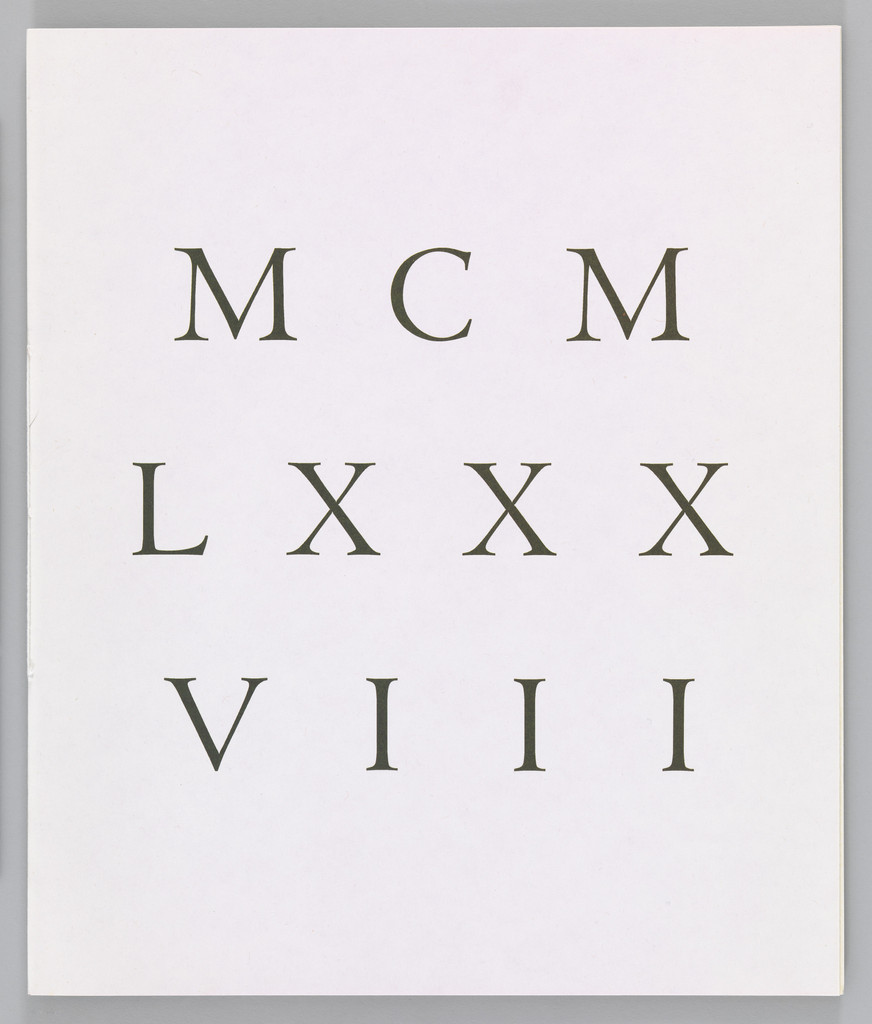
the book as object — block, edge, thickness, and the production process carry the content
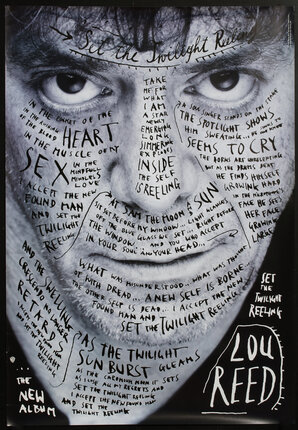
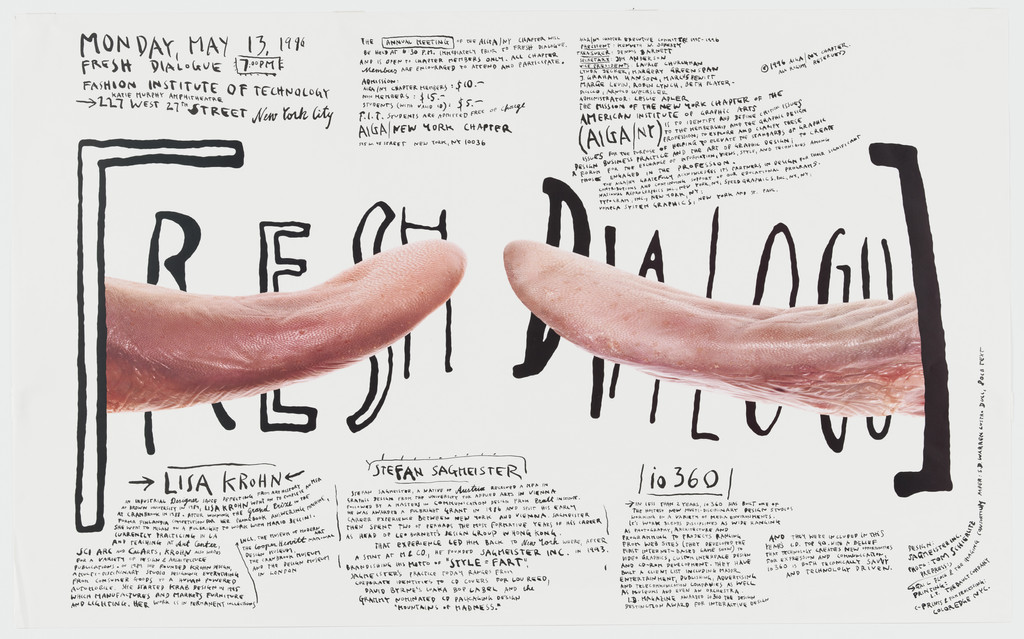
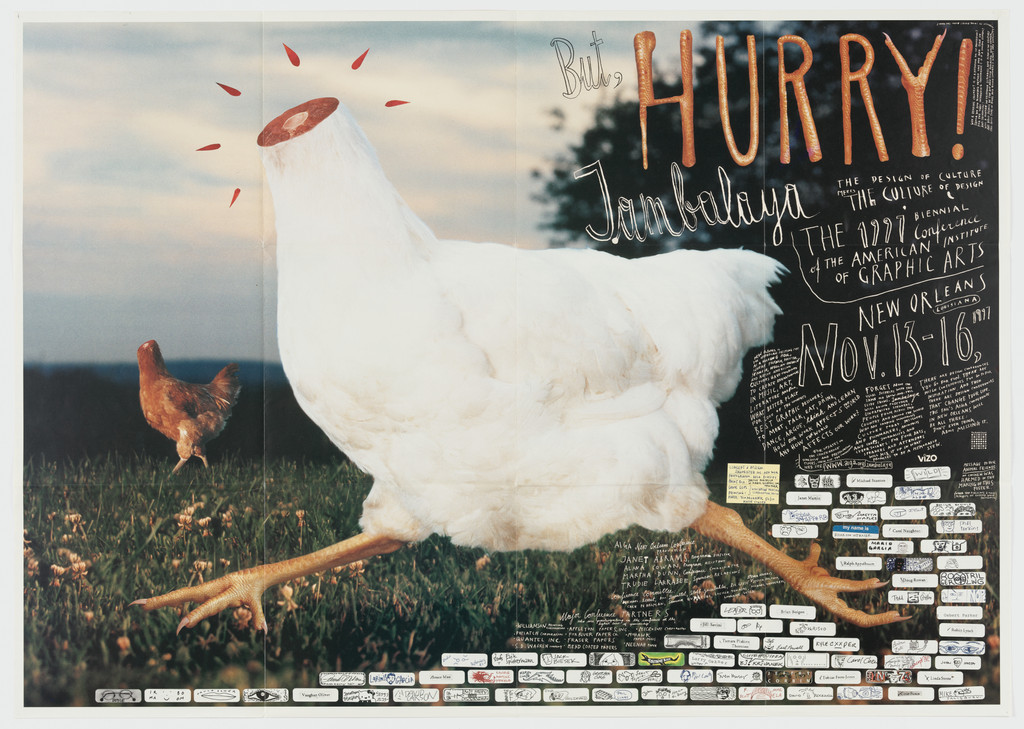
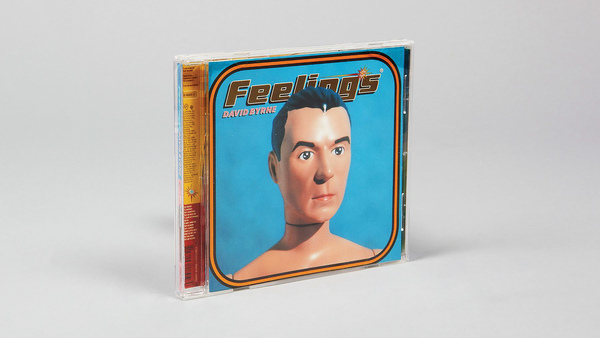
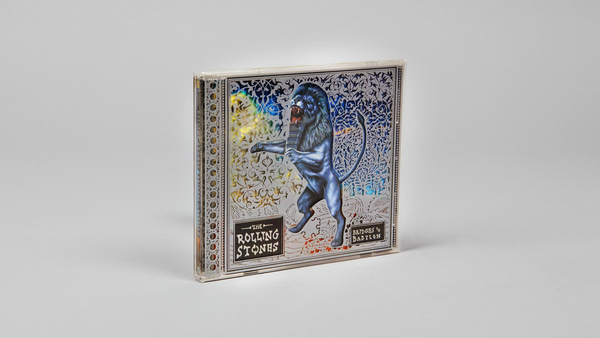
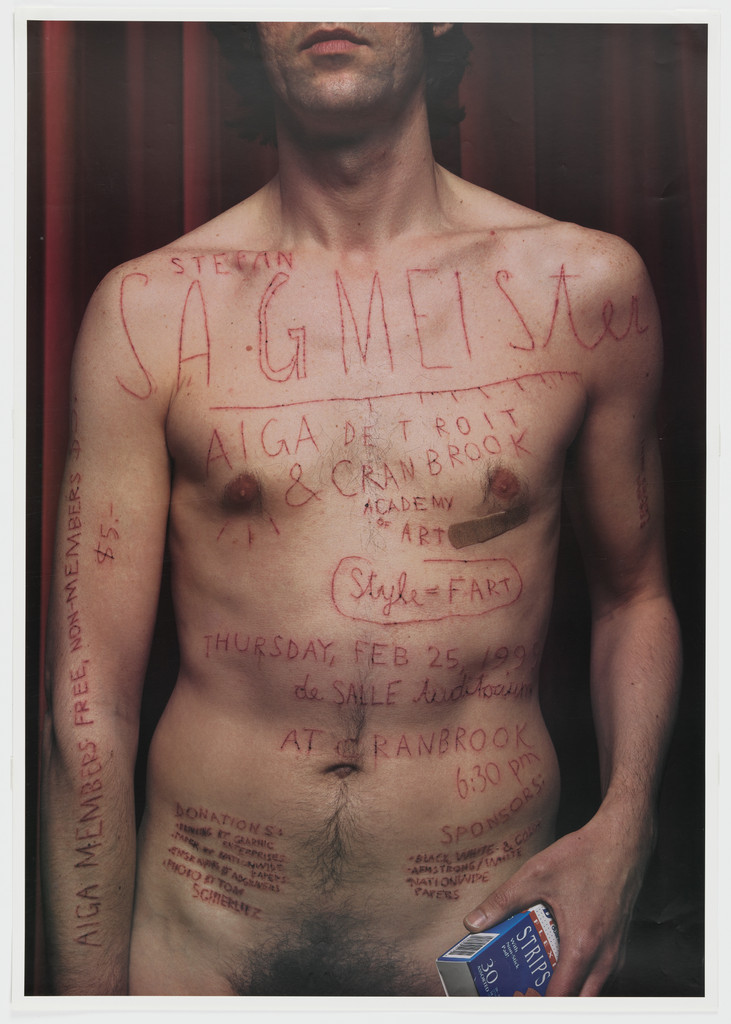
Stefan Sagmeister
1962–
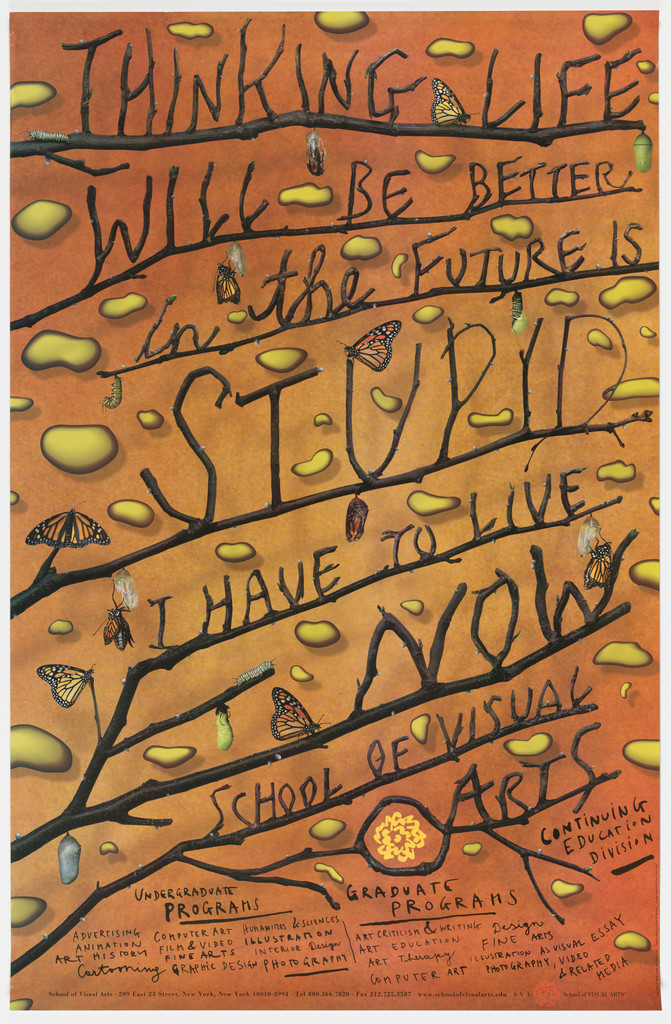
the making process is the message — text cut, written, built and photographed